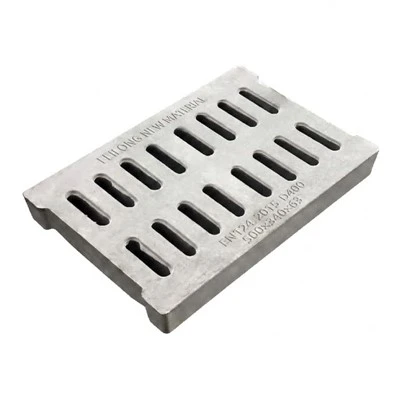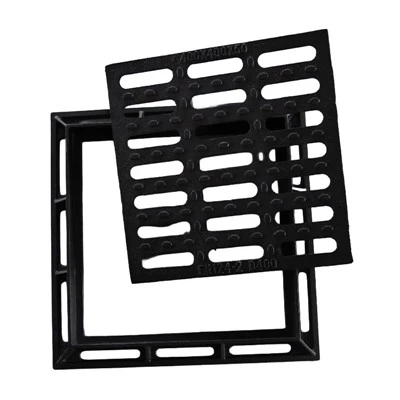

If you’ve ever looked at a wobbly, rusted D400 ductile iron cover on a street corner and thought “I could fix that,” you’re not alone. I’ve heard from so many homeowners, property managers, and even small construction crews who hesitated to tackle this job themselves—worried it’s too heavy, too technical, or that they’ll mess it up and cause a hazard. But here’s the thing: replacing a D400 cover is totally doable if you take it step by step, use the right tools, and follow some basic safety rules. As someone who’s been selling D400 Ductile Iron Covers for years, I’ve seen plenty of folks pull this off with zero fancy equipment, and today I’m breaking down exactly how to do it yourself. Let’s dive in.
First, let’s get one thing straight: what even is a D400 cover? The “D400” rating is a load class, right? That means it’s built to handle up to 40 tons of pressure—perfect for busy roads, parking lots, or areas where big trucks drive through. It’s way sturdier than the flimsy plastic or thin cast iron covers you might see on side streets, which is why it’s the go-to for municipal and commercial spots. If you’re replacing a cover in a high-traffic area, you definitely don’t want to skimp on quality. That’s why my team and I only sell heavy-duty options, but more on that later.
Before you grab any tools, safety is non-negotiable. I can’t stress this enough—you’re working around deep manholes, heavy metal, and busy traffic if you’re on a street. First, call your local utilities to mark any buried lines. I used to skip this on a small job a few years back and almost hit a gas line—never again. Most places have a free service (like 811 in the U.S.) that will send someone out to flag water, electric, gas, or fiber lines for you. Do this at least 48 hours before you start, because that gives them time to get to your spot.
Next, gear up. You’ll want work boots with steel toes (trust me, a 100-pound cover dropping on your foot is not fun), work gloves that are thick enough to avoid blisters but still let you grip tools, and a high-visibility vest if you’re working near cars. If the manhole is deeper than 3 feet, grab a ladder too—you don’t want to slip and fall when you’re reaching for the old cover. Also, if you’re on a public street, set up some traffic cones or temporary barriers around the work area to keep people and cars away. A few bucks on cones is way better than dealing with a near-miss.


Now, let’s talk tools. You don’t need a huge garage full of equipment—just a few basic things. First, a manhole cover lifter (or a pry bar and a big screwdriver if you’re on a budget). Those lifters have two curved prongs that slip under the cover’s edge, so you can lift it without straining your back. A wrecking bar (a heavy-duty pry bar) will help loosen the old cover from its frame. You’ll also need a chisel and a sledgehammer to break up the old concrete around the frame, and a wheelbarrow or a big bucket to haul away debris. Oh, and don’t forget a level—you’ll need this later to make sure the new cover sits flat. Last but not least, grab a bucket of wet concrete (or pre-mixed concrete bags, which are easier for small jobs) and some quick-setting mortar to set the frame.
Okay, time to get to work. Step one: remove the old cover. Start by lifting the old cover straight up and setting it aside somewhere safe—don’t leave it in the road where someone can trip over it. Once the cover is off, you’ll see the metal frame that’s sunk into the concrete around the manhole. This frame is what holds the new cover in place, so you need to make sure it’s in good shape. If it’s rusted or bent, you might need to replace the frame too, but most of the time, a good cleaning is all it needs.
Next, use your chisel and sledgehammer to chip away the old concrete around the frame. Go slow here—you don’t want to crack the frame itself. Aim to remove about 2 to 3 inches of old concrete so you have a nice, clean gap to set the new frame and concrete. Once you’ve chipped all the concrete, use a broom to sweep out all the debris—dirt, small concrete chunks, leaves, whatever. Then, spray the area with a little water to dampen the ground, so the new concrete sticks better. I learned this the hard way: if you add dry concrete to dry dirt, it won’t bond right and will crack later.
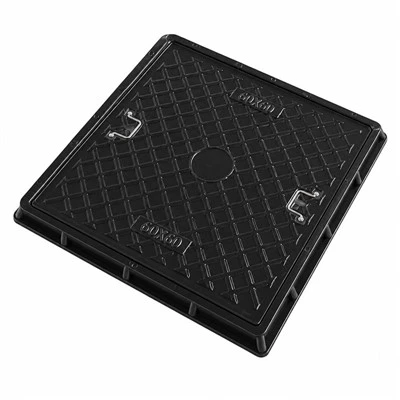
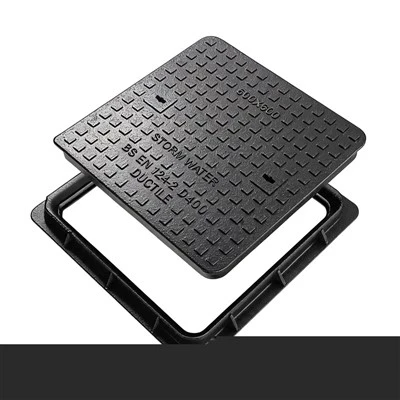
Now, this is where the new Municipal Ductile Iron Manhole Cover comes in. Wait, hold on—make sure you’ve picked the right size and rating for your spot. If you’re replacing a D400, you don’t want to get a lower rating, because it won’t hold up to the traffic. When you order your new cover, double-check the dimensions of your old frame to make sure it fits. If you have a round frame, go for a round cover; square works too, just make sure it’s a perfect match. Speaking of square, if your area needs square options, we also sell Square Cast Iron Manhole Cover that’s built for the same heavy load as D400, so that’s a good backup if you prefer that shape.
Before you set the new frame, mix up your concrete. I like to use pre-mixed bags because they’re easy to control—just add water a little at a time until it’s the consistency of thick peanut butter, not too runny. Spread a 2-inch layer of concrete in the hole where the frame will sit. Then, set the new D400 frame into the concrete. This is where your level comes in—check it from all sides (front, back, left, right) to make sure it’s perfectly level. If it’s not, adjust it by tapping the frame gently with your sledgehammer. You want the top of the frame to sit about 1/4 inch below the road or sidewalk surface, so the cover sits flush with the ground and doesn’t catch people’s shoes or car tires.
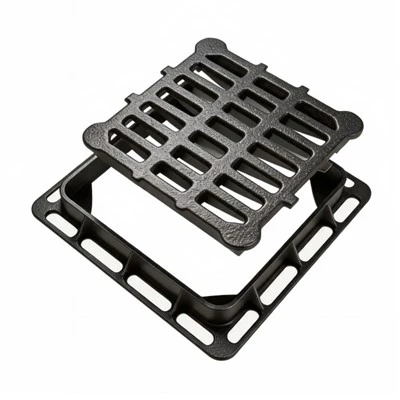
Once the frame is level, fill in the gaps around it with more concrete. Trowel it smooth, making sure there are no air pockets—you don’t want the frame shifting later. Now, if you want to go the extra mile, you can use self-leveling compound here instead of concrete? Wait, no—wait, we sell Self Leveling Ductile Iron Manhole Cover that comes with its own leveling base, which makes this part even easier. Those are great if you don’t want to mess with mixing concrete, because they’re designed to sit straight without a lot of adjustment. But for a basic D400 replacement, concrete works just fine.
Let the concrete cure first—this is super important. If you drive or walk on it too soon, it’ll crack and the whole thing will be wobbly. Most concrete takes about 24 hours to set enough for light use, and 72 hours to reach full strength. To speed it up, you can spray it with water a few times a day while it cures, especially if it’s hot or dry out. Covering it with a tarp for the first day or two will also keep it from getting rained on or damaged.
Once the concrete is fully cured, it’s time to install the new D400 cover. Pick up the new cover (remember, use that lifter—they’re heavy, so don’t try to lift it alone) and set it straight into the frame. Give it a little press to make sure it seats properly. If you have a self-locking or keyed cover (most D400 ones do, to stop theft), make sure the lock aligns with the frame’s notches. Give it a shake—if it doesn’t move, you’re good to go.
Wait, a quick pro tip: if your old cover was wobbly, that was probably because the frame wasn’t level, or the concrete around it was worn out. When you replace it, taking the time to get the frame level and the concrete right will make the new cover last for years, not months. I’ve had customers tell me their DIY replacements are still holding strong 5 years later, as long as they followed those steps.
Now, let’s troubleshoot some common mistakes people make when doing this job. First, not calling utilities—this is the biggest one, and it can be dangerous. Second, not wearing proper safety gear—those heavy covers can slip, and traffic is no joke. Third, rushing the concrete cure time. I get it, you want to finish the job, but 24 hours is nothing compared to redoing the whole thing because you drove on it too soon. Fourth, buying the wrong size cover—always measure your old frame before ordering, so you don’t end up with a cover that’s too big or too small.
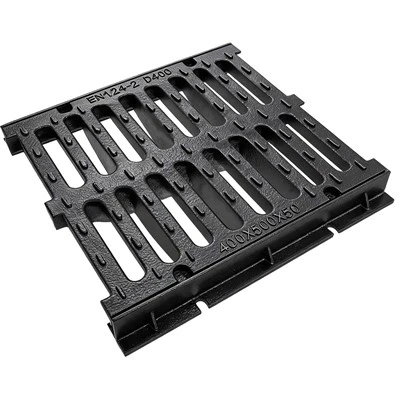
If you’re in a commercial or high-traffic spot, you might want to go with our Heavy Duty Ductile Iron Manhole Cover instead of standard D400—those are built for even more wear and tear, like on truck routes or loading docks. No matter what, all our D400 and heavy-duty covers are made from high-quality ductile iron, so they’re rust-resistant and way stronger than regular cast iron, which means they won’t crack or break as easily.
Still not sure if you can do this yourself? Let me reassure you: I’m not a professional contractor, and I helped my neighbor replace his D400 cover last year with just the tools I listed. We spent a whole Saturday on it, but it went smooth, and he’s been happy with the result ever since. The hardest part was lifting the old cover and mixing the concrete, but even that was manageable with a helper. If you have a friend or family member to assist you, that makes it way easier—especially with the heavy covers.
Once you’re done, take a step back and check your work. The cover should sit flat, flush with the ground, no gaps between the cover and the frame. There should be no cracks in the concrete around the frame. If you notice a gap, you can fill it with a little bit of asphalt patch or more concrete to make it smooth. That’s it—you just saved yourself a bunch of money on a professional installation, and you’ve got a sturdy, safe cover that will last for years.
If you’re ready to get your replacement D400 ductile iron cover, or you have questions about sizes, ratings, or which type is best for your spot, feel free to reach out to our team. We can help you pick the right cover, answer any questions about installation, and make sure you have everything you need to get the job done right. Don’t let that wobbly cover stay broken—take the time to replace it yourself, and you’ll have peace of mind knowing you did it safely and correctly.
References
- American Society for Testing and Materials (ASTM) Standard A536: Specification for Ductile Iron Castings
- Municipal Manhole Cover Installation Guidelines, National Association of City Transportation Officials (NACTO)
- OSHA Safety Guidelines for Construction and Utility Work Near Buried Utilities
- Self-Leveling Manhole Cover Installation Manual, AB Manufacturing Co.