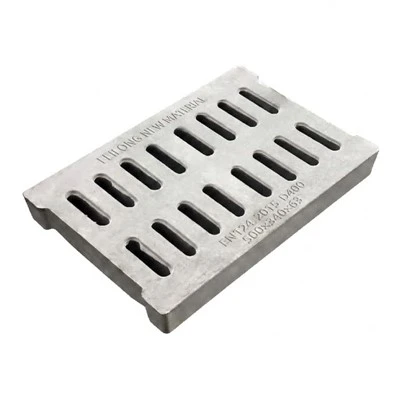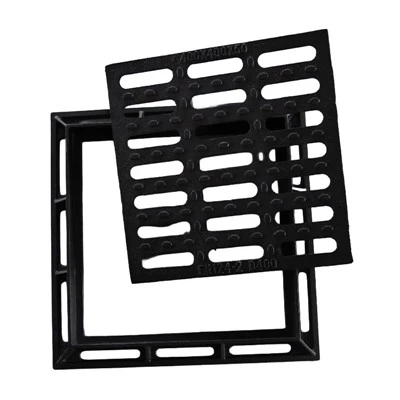

If you’ve ever walked through a busy downtown sidewalk, a quiet residential park, or a school courtyard, you’ve probably stepped over a manhole cover without giving it a second thought. But as a supplier of Round Ductile Iron Manhole Cover products, I get asked this question all the time: what load class does a round ductile iron manhole cover need for pedestrian zones? It’s not a one-size-fits-all answer—there are a bunch of factors that go into this, and getting it right isn’t just about meeting codes, it’s about keeping people safe and avoiding costly mistakes down the line.
Let’s start with the basics. Load classes aren’t made up—they’re standardized categories that tell you how much weight a manhole cover can handle without cracking, shifting, or failing. For pedestrian zones, this isn’t about big trucks or construction vehicles; it’s about foot traffic, bikes, maybe occasional delivery vans that cut through residential areas, or even small utility carts from park maintenance. Skimping on the right load class here can lead to annoying (and dangerous) issues: a cover that bends under a heavy delivery cart, or worse, breaks and creates a tripping hazard.
First, let’s talk about who uses pedestrian zones. If it’s a busy urban sidewalk with foot traffic from office workers, shoppers, and tourists, that’s different from a quiet cul-de-sac sidewalk where most people are walking their dogs or pushing strollers. I’ve seen too many projects where someone picked a too-light cover for a busy downtown area, and within a year, they were replacing half the covers because they couldn’t handle the constant foot traffic plus the occasional delivery truck that uses the sidewalk to unload. That’s why knowing the right load class for your specific pedestrian zone is non-negotiable.
Now, let’s get into the standard load classes. The most common one for pedestrian zones is Class A, right? Wait, let me confirm—most international standards (like EN 124, which is the go-to for manhole cover specs in a lot of countries) label Class A as “light traffic zones.” What counts as light traffic? Pedestrian areas, sidewalks, footpaths, and areas where vehicles only rarely access, like a park path that’s closed to cars. But here’s the thing: Class A isn’t the same everywhere. Some places use a lower Class A that’s only good for foot traffic, while others have a slightly higher Class A that can handle small vehicles. As a supplier, we make sure our Round Ductile Iron Manhole Cover products are labeled clearly with their load class, so you don’t have to guess. For example, our Round Ductile Iron Manhole Cover line has Class A options that are specifically engineered for pedestrian use, with extra strength to handle things like strollers, wheelchairs, and even small utility bikes that might be driven on sidewalks.
Wait, but what if your pedestrian zone has a little more traffic? Like a sidewalk that runs along a busy street, where delivery drivers might cut through to drop off packages, or a schoolyard where kids ride scooters and there are maintenance carts. In that case, Class A might not be enough, and you’d want to go up to Class B. Class B is for “medium traffic zones,” which includes areas where cars might access occasionally—like residential street sidewalks, small parking areas for employees, or park paths that allow low-speed vehicles. I’ve worked with a few city planners who initially went with Class A for a schoolyard, but after noticing that maintenance crews use small pickup trucks to haul equipment around, they switched to Class B to avoid damage. That’s a smart call—paying a little more upfront for a slightly higher load class saves you from replacing covers every few years.
A common mistake I see people make is mixing up ductile iron with cast iron. A lot of suppliers will try to sell you a cheap cast iron cover for pedestrian zones, but cast iron is more brittle—if it takes a big impact, it can shatter. Ductile iron is way tougher; it has a graphite structure that makes it more flexible, so it can bend under weight without cracking. That’s why our Municipal Ductile Iron Manhole Cover line is so popular for pedestrian zones—its ductile iron construction means it can handle the constant foot traffic and occasional light vehicle access without failing. It’s not just about the load class number; it’s about the material the cover is made of. A Class A cast iron cover might only handle 1.5 tons, while a Class A ductile iron cover can handle up to 2.5 tons, which makes a huge difference for busy sidewalks.


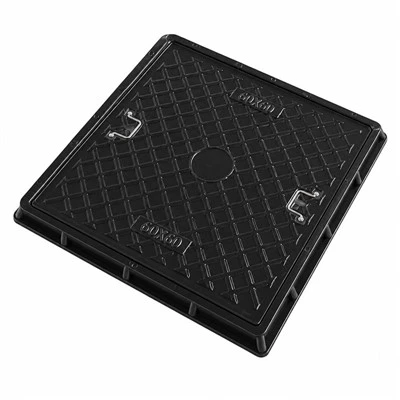
Another thing to consider is the size of the manhole opening. A round manhole cover is better than a square one for pedestrian zones, right? Wait, technically, both have their pros, but round covers don’t fall through their openings, which is a safety win. But does size affect load class? Absolutely. A 24-inch round cover is designed for different loads than a 30-inch round one. Larger openings need thicker, stronger covers to support the weight, because the span is bigger. That’s why our Square Cast Iron Manhole Cover and round line have different load classes based on size—you can’t just pick a size and a number; they go hand in hand. For pedestrian zones, I usually recommend 24 to 30 inch round covers because they’re easy to handle for maintenance, and their size is perfect for sidewalks without being too obtrusive.
Wait, let’s talk about accessibility. A lot of pedestrian zones now need to comply with ADA (or local accessibility standards) for wheelchair access. The manhole cover can’t be too high or too low, and it needs to be slip-resistant. Ductile iron covers are great for this because we can add texture to the surface to prevent slips, even when it’s wet. Also, the load class is still the same, regardless of texture—so you don’t have to sacrifice strength for accessibility. Our Ductile Iron Access Covers line has accessibility features built right in, so you get a cover that’s safe for wheelchairs, slip-resistant, and has the right load class for pedestrian use. That’s a big plus for cities and businesses that have to meet accessibility rules.
Let me give you a real example from a project I worked on last year. A small town in Ohio was installing new sidewalks in a downtown area that had lots of foot traffic from restaurants and shops. The initial bid went for Class A cast iron covers, but when we checked the site, we noticed that delivery vans were using the sidewalk to unload, and the town wanted to add a few bike lanes along the sidewalk. I suggested switching to our Class A ductile iron round covers—wait, actually, they upgraded to Class B, because the occasional delivery van was a factor. The project manager was worried about cost, but I explained that the ductile iron covers would last twice as long as cast iron ones, and the Class B load class would handle the van traffic. Six months later, they sent me a message saying none of the covers had any damage, even during the busy holiday season when deliveries were heavy. That’s exactly why getting the right load class and material matters—short-term cost savings can end up costing more in the long run.
Another common question: what about heavy-duty covers for pedestrian zones? Is that necessary? Our Heavy Duty Ductile Iron Manhole Cover line is for areas with heavier traffic, like main city sidewalks that get bus loads, or areas near construction sites where vehicles might drive onto the sidewalk. But for most standard pedestrian zones, you don’t need heavy duty—you just need the right Class A or B ductile iron cover. Using a heavy duty cover when you don’t need it is a waste of money, and using too light a cover is a safety risk. It’s all about matching the load class to the actual usage of the zone.
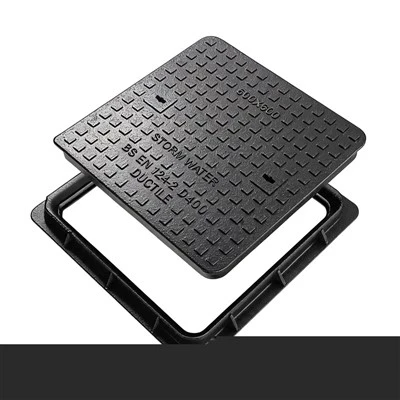
Let’s break down the EN 124 standard, since that’s the most widely used for manhole covers. EN 124 Class A covers have a load capacity of 15 kN (which is about 1.5 tons), while Class B is 125 kN (about 12.7 tons). Wait, let me make sure that’s right—yes, EN 124 Class A is for areas where only pedestrians and bicycles are allowed, and Class B is for areas where vehicles up to 3.5 tons might access. That’s a key point. So if your pedestrian zone has bicycles (which a lot do now), make sure the Class A cover is rated for bicycle traffic. Our round ductile iron covers are all tested to meet EN 124 standards, so you don’t have to worry about whether they’re compliant.
What about local codes? A lot of cities have their own specific requirements for manhole covers in pedestrian zones. For example, some places in Europe require Class B for all sidewalks, no matter how quiet, while in parts of the US, Class A is standard for most pedestrian areas. That’s why it’s always a good idea to check your local municipal guidelines before choosing a cover. As a supplier, we stay up to date on all the local codes, so if you tell me where your project is, I can recommend the right load class for your area. That’s one of the perks of working with a supplier that actually knows the product, not just sells it.
Another factor: installation. Even the best cover won’t work if it’s installed wrong. When you’re putting a manhole cover in a pedestrian zone, you need to make sure the frame is set properly, with a good foundation of concrete. For ductile iron covers, the frame is usually thicker than cast iron, which helps distribute the weight evenly. That means the load class is more effective—if the frame is flimsy, even a Class B cover will fail if it’s not supported right. I always tell contractors to use a minimum of 4 inches of concrete around the frame, and to make sure the cover sits flush with the surrounding sidewalk to prevent tripping. That’s part of the process, and it’s just as important as choosing the right load class.
Let’s talk about maintenance. Ductile iron covers are way easier to maintain than other types. They don’t rust as quickly (though they do need a coating to prevent corrosion), and their flexibility means they don’t crack or shift as much. For pedestrian zones, where covers are exposed to rain, snow, and foot traffic, low maintenance is a big deal. Our round ductile iron covers come with a standard anti-corrosion coating, so you don’t have to worry about them deteriorating over time. And since they’re the right load class, you won’t have to patch or replace them every few years, which saves time and money on upkeep.
Wait, what about round vs square? We touched on this earlier, but round covers have another advantage for pedestrian zones: they’re easier to lift for maintenance. A round cover doesn’t have sharp corners that can catch on clothing or tools, and the lifting ring is centered, so it balances evenly when you pick it up. Square covers can have corners that stick out, which is a tripping hazard, especially for people with mobility issues. That’s why most cities prefer round ductile iron covers for pedestrian zones—they’re safer, easier to maintain, and their shape eliminates the risk of falling through the opening.
I’ve had a lot of customers come to me saying they just need “a manhole cover for a sidewalk,” but there’s a lot more to it than that. If you pick the wrong load class, you’re looking at safety hazards, costly replacements, and maybe even liability issues if someone trips over a broken cover. On the flip side, picking the right class and material means your covers will last for decades, handle the traffic they’re meant for, and keep pedestrians safe.
So to wrap this up: for most standard pedestrian zones (residential sidewalks, quiet park paths, schoolyards with no heavy vehicle access), you need a Class A Round Ductile Iron Manhole Cover. If your zone has occasional light vehicle access (delivery vans, maintenance trucks, busy downtown sidewalks), go with Class B. If you’re in an area with heavy pedestrian and vehicle traffic, then you might need our Heavy Duty Ductile Iron Manhole Cover, but that’s less common. Always make sure the cover is ductile iron, not cast iron, because it’s stronger and more durable. And don’t forget to check your local codes—they might have specific load class requirements for your area.
At the end of the day, choosing the right manhole cover for pedestrian zones isn’t just a technical decision—it’s a way to keep people safe and make sure your project stands the test of time. If you’re not sure which load class is right for your specific pedestrian zone, feel free to reach out to us for a consultation. We can walk through your project, answer any questions, and help you pick the perfect Round Ductile Iron Manhole Cover that meets your needs and your budget.
References
EN 124:2015, Vehicular access covers for roads and areas - Specification and test methods
American Society for Testing and Materials (ASTM) A536, Standard Specification for Ductile Iron Castings
International Code Council (ICC), International Building Code (IBC) 2021, Chapter 26: Utilities and Equipment