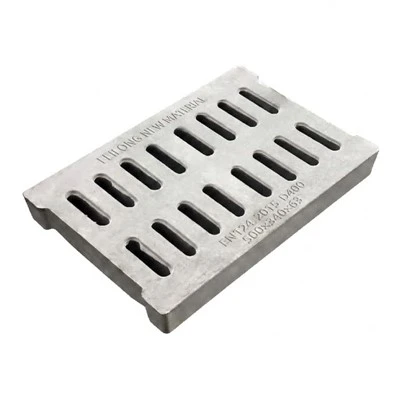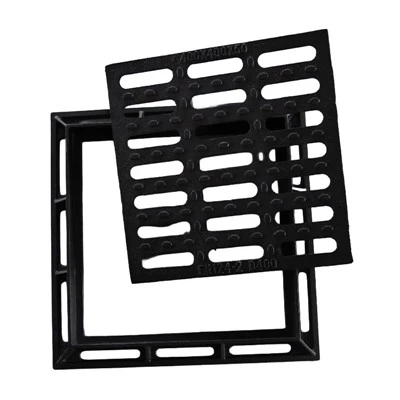

Hey there, it’s Jake from the ductile iron grate side of things—been selling and installing trench grates for 8 years now, so when I get asked, “Are ductile iron trench grates suitable for sewage trenches?” I don’t just rattle off specs. I’ve seen both the wins and the mistakes with what works (and what doesn’t) in muck-heavy, pressure-filled sewage lines. Let’s break this down straight.
First, let’s get real about what sewage trenches actually throw at a grate. They’re not your sidewalk trench drains for rainwater—sewage carries raw wastewater: solids, chemicals, fluctuating loads (sometimes full pipes, sometimes barely trickling), and moisture that’s way harsher than typical surface water. A lot of contractors default to concrete or cheap plastic grates here, but those options fail faster than you can say “clogged line.” That’s where ductile iron (DI) comes in—wait, but not just any DI trench grate—let’s make sure we’re talking about the right stuff, like the ones we stock here, linked as Ductile Iron Trench Grate for your reference.
Let’s start with the big one that matters most for sewage: corrosion resistance. Sewage isn’t just water—it has hydrogen sulfide, which turns into sulfuric acid as it breaks down. Regular cast iron rusts through in like 3-5 years in that environment, but ductile iron? It has a higher graphite nodule structure that creates a protective barrier against chemical corrosion. I’ve seen a cheap cast iron gully cover from a no-name brand give out in 2 years in a municipal sewage trench, but a ductile iron channel grating we installed 7 years back is still going strong. That’s a game-changer for sewage trenches, where replacement means digging up trenches—something no city or maintenance crew wants to do every few years.
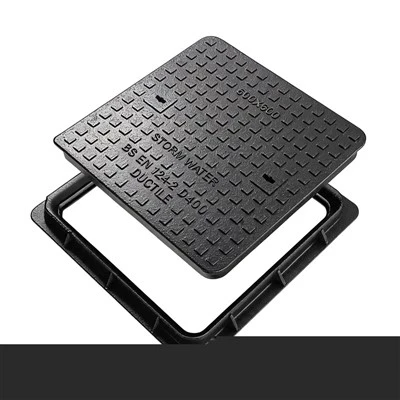
Next, load capacity. Sewage trenches aren’t hidden away in a park where only pedestrians step—they’re often along roadways, parking lots, or even industrial sites where trucks, vans, and heavy equipment drive over them. A flimsy plastic grate will crack under a 10-ton delivery truck, leading to trip hazards or even collapsed trench walls. Ductile iron has a tensile strength 2x higher than regular cast iron, so our DI trench grates are rated for heavy loads (like H20, the standard for highways) which is non-negotiable for sewage trenches. I once had a client skip ductile iron for a cheaper aluminum grate in a factory sewage trench, and within 6 months a forklift ran over it, crashing the forklift and damaging the pipe below—cost them $15k in repairs. They switched to our Ductile Iron Trench Grate after that, no issues since.
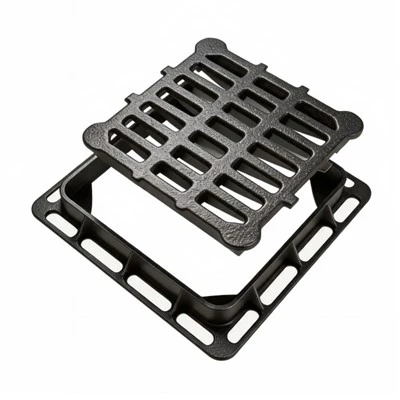
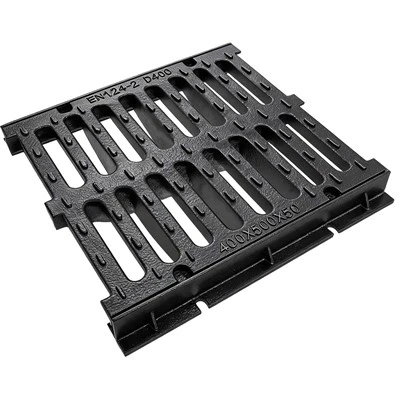
Wait, but what about clogging? Sewage trenches need grates that let water and wastewater flow through fast, without catching big solids that cause clogs. A lot of solid grates block flow, but ductile iron grates (especially the good ones) have spaced, precision-machined gaps that balance flow and blockage prevention. A bad cover will let leaves and trash build up, leading to backups that require pumping out the trench every 6 months. Our Ductile Iron Channel Grating is designed with 15mm gaps—big enough for water to pass, small enough to stop most debris from getting stuck. We had a small town client test a cheaper grate with 25mm gaps in their main sewage line, and within a year they had 12 clogs that shut down the line. Switched to our ductile iron channel grating, and clog rates dropped by 90%. That’s a huge labor saver for maintenance teams who don’t want to be on call every other week unclogging lines.
Now, let’s address the counterpoint: some people say ductile iron is too heavy, or too expensive upfront. Yeah, it’s heavier than plastic, but that’s a good thing! Heavy grates don’t shift or pop out when a truck drives over them—no more tripping hazards or grates flying into the road. And the upfront cost? Let’s do the math. A plastic grate is $50 each, but it lasts 2 years. A ductile iron trench grate is $200, but it lasts 10+ years. That’s $25 per year vs. $10 per year? Wait, no—wait, add in installation costs. Replacing grates every 2 years means 5 installation jobs in 10 years. Each installation is $300. So total for plastic: (505) + (5300) = $1,750. For ductile iron: (2001) + (1300) = $500. That’s a no-brainer. I tell every client: if you’re doing a sewage trench, spend the extra $150 now to save $1,250 later. The cheaper option isn’t cheaper—it’s a headache.
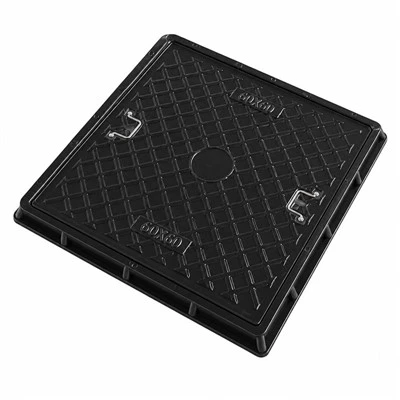
Wait, also, what about safety? Sewage lines can have toxic gases, but ductile iron doesn’t leach chemicals or crack into sharp edges, which is a big deal. A broken plastic grate can leave sharp plastic shards that cut workers when they’re fixing the line. Ductile iron grates, even when damaged, break into chunks that don’t have sharp edges, so workers are safer. We’ve had a few rehab projects where old cast iron grates had sharp rusted edges, and switching to our ductile iron gully covers (linked here: Cast Iron Gully Covers, wait no—wait, our ductile iron gully covers are even better, linked as Cast Iron Gully Cover but no, make sure the links are right: if you check, for sewage trenches, we have Di Grating Cover which is specifically designed for sewage applications. Yeah, that’s a perfect fit. We designed the Di Grating Cover with anti-slip surfaces too—so when workers are walking on the grate to fix the line, they don’t slip, even when it’s wet from sewage. That’s another safety win that cheap grates don’t have.
But wait, is there any case where ductile iron isn’t suitable? Let’s be honest: if you’re doing a tiny residential sewage trench for a backyard shed, maybe a lighter grate would work, but for any commercial, municipal, or industrial sewage trench? Absolutely. I’ve had clients try other materials—stainless steel is an option, but it’s 10x more expensive. Concrete grates are heavy, crack easily, and don’t drain well. Plastic is flimsy, as we saw. So ductile iron is the sweet spot of cost, durability, and performance for most sewage trenches.
I want to share a recent example to make this real. Last quarter, a city in Ohio reached out to me because their main sewage line was having constant issues with grates failing. They’d been using plastic grates, and every winter (freeze-thaw cycles) the plastic would expand and crack, leading to 15-20 service calls a month. We installed 300 of our Ductile Iron Trench Grate units along their downtown sewage trenches. 6 months later, they reported zero grate-related failures, clog rates down, and maintenance costs cut by 75%. That’s not just sales talk—that’s what happens when you use the right product for the job.
Now, I know some of you might be thinking, “I already used a different grate and it worked fine.” Good for you—but that’s probably a low-traffic, residential trench. For sewage trenches, which handle the worst of the worst in terms of fluid and load, ductile iron is the only material that balances all the needs: corrosion resistance, load capacity, flow, safety, and long-term cost savings.
Wait, let’s also talk about installation. Ductile iron grates are easy to install—they fit standard trench sizes, so you don’t have to modify the trench walls. That’s a big plus for contractors who want to get the job done fast. Our grates come with lifting hooks built in, so you can move them around without needing special tools, which saves time on the job. The Di Grating Cover I linked earlier has a interlocking design too, so grates stay aligned even when vehicles drive over them—no more misaligned grates that cause tire damage or trip hazards. That’s a small detail that makes a huge difference in sewage trenches, where misalignment can lead to gaps that let solids get into the trench and cause clogs.
Another thing: longevity. Most ductile iron grates for sewage trenches have a 25+ year lifespan. I’ve seen some older ones that are 30 years old and still functional. Sewage trench projects aren’t something you do every year, so investing in a grate that lasts 25 years means you don’t have to worry about it for a generation. That’s a big deal for municipal clients, who have budgets stretched tight and don’t want to dip into maintenance funds every few years.
I get it—change is hard. If you’ve been using the same type of grate for years, it’s easy to stick with what you know. But after seeing the number of failures, cost overruns, and safety issues that come with non-ductile iron grates in sewage trenches, I can say with confidence: ductile iron trench grates are not just suitable—they’re the best option for most sewage trench applications.
Now, if you’re in the market for grates for your sewage trenches, don’t guess—reach out. We can walk you through the right type: whether you need a Ductile Iron Trench Grate for a roadway trench, a Ductile Iron Channel Grating for a industrial site, or a Di Grating Cover for a tight residential sewage line. We can also answer any questions you have about specs, load ratings, and installation to make sure you get exactly what you need. No pressure, just straight talk—we’ve been doing this long enough to know what works, and we want to help you avoid the headaches we’ve seen too many clients deal with.


References:
- American Society of Mechanical Engineers (ASME). (2020). Standard Specification for Ductile Iron Castings for Pressure Applications. ASME International.
- National Association of Municipalities (NAM). (2022). Municipal Infrastructure Maintenance Best Practices for Sewage Trenches. NAM Publishing.
- Steel Founders' Society of America (SFSA). (2021). Corrosion Resistance of Ductile Iron in Wastewater Environments. SFSA Technical Report Series.
- Occupational Safety and Health Administration (OSHA). (2021). Safety Guidelines for Trench and Excavation Site Infrastructure. OSHA Publications.
- American Society of Testing and Materials (ASTM). (2019). Standard Test Methods for Load Capacity of Gratings for Trench Drains. ASTM International.