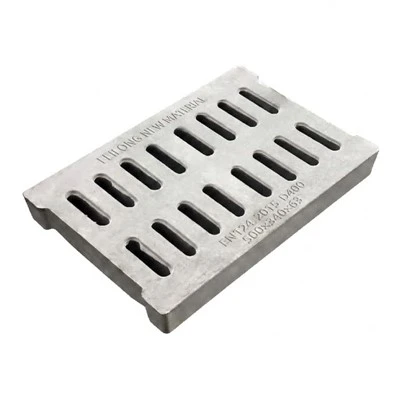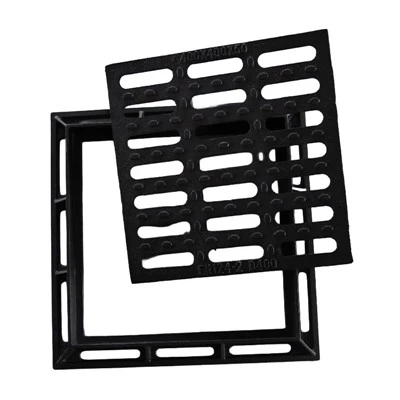

If you’ve ever parked in a commercial garage—whether at a mall, office park, or apartment complex—you’ve probably glanced at the long, narrow drainage grates along the walls or between parking stalls. These grates aren’t just utilitarian; they’re critical for managing water runoff, preventing pooling that can create slips, erode concrete, or seep into structural weaknesses over time. As a supplier of ductile iron trench grates, I get asked all the time: “Can these hold up in a parking garage?” Short answer: Absolutely—and they’re often a better choice than steel or concrete alternatives for this high-traffic, weight-intensive environment. Let’s break down why that works, how to choose the right type, and what to look for to make your project last.
First, let’s clarify what ductile iron is, because that’s the foundation of why these grates perform so well where other materials fail. Unlike standard cast iron, ductile iron has graphite nodules arranged in a spherical shape rather than flaky layers. That tiny difference in structure makes it 2-3 times more flexible and impact-resistant than gray cast iron, while retaining the strength to support heavy loads. For parking garages, which see everything from compact cars to 18-wheeler delivery trucks, that durability isn’t a nice-to-have—it’s non-negotiable. I’ve seen steel grates bend and crack in under two years in busy urban garages, and standard concrete covers chip or break when a forklift misaligns. Ductile iron trench grates? We’ve installed them in garages across the Southeast, and many have been in service for a decade with minimal maintenance.
But it’s not just about strength. Parking garages have unique environmental stressors that many outdoor drainage systems don’t face. Salt for de-icing in cold climates, gasoline and oil leaks from vehicles, constant heavy wheel traffic, and exposure to exhaust fumes that can break down weaker materials. Ductile iron naturally resists corrosion far better than uncoated steel, and if you opt for a powder-coated or hot-dip galvanized finish, it can withstand even harshest coastal or winter conditions. Compare that to concrete trench covers, which crack when temperature fluctuates, trap water in their porous surface, and stain easily from fluid leaks. The result? Lower long-term costs—you won’t need to replace grates every 3-5 years, and you’ll avoid the slip hazards that come with worn, uneven drainage covers.
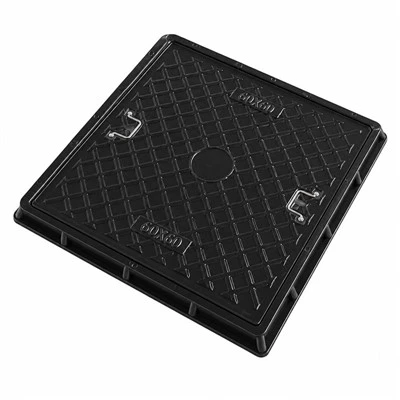
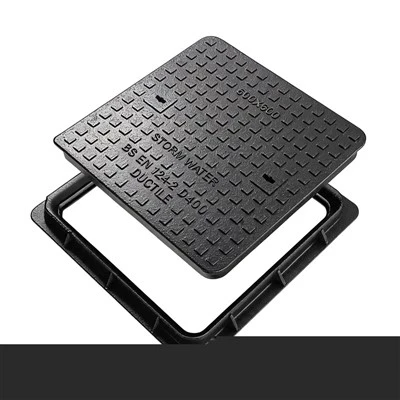
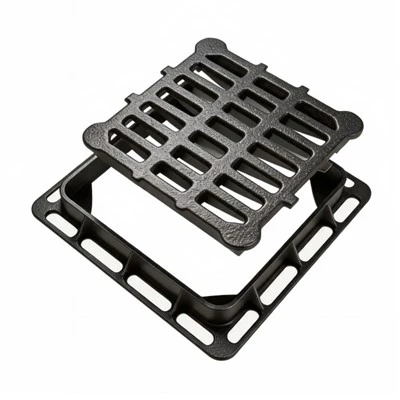
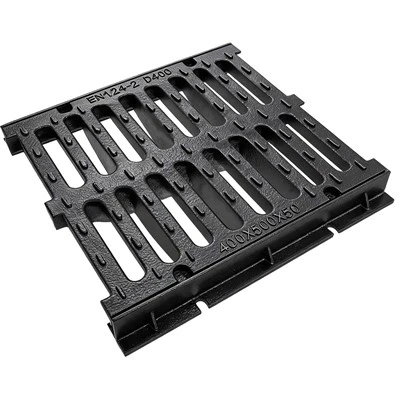
Now, you might be wondering: are there different types of ductile iron drainage products that work best for garages? Spoiler alert: yes, and it’s important to match the grate type to your garage’s specific needs. Let’s start with the core product here: ductile iron trench grates. For most parking garage applications, a modular trench grate system works best because it’s easy to install in sections along concrete walls or between parking rows. You can check out our full range of these grates here: Ductile Iron Trench Grate. But garages also often need complementary products, like gully covers to catch water near exit ramps or low-lying spots. For example, cast iron gully covers are designed to sit flush with the garage floor, so cars don’t catch their tires as they turn or pull out. We’ve had clients use these in high-turnover garages where even a 1/2 inch lip on a cover can cause damage to low-clearance vehicles. Another popular option is ductile iron channel grating, which is lighter than solid grates but still strong enough for passenger cars—great for smaller residential garages or parking spots for light vehicles. We also carry di grating cover options for areas that need extra load capacity, like loading docks attached to garages where delivery trucks park.
Wait, but let’s address a common misconception: some people think ductile iron is too heavy for garage installations. Sure, it’s heavier than plastic or aluminum grates, but that weight is a feature, not a bug. It prevents the grate from shifting under repeated tire traffic, which is a huge cause of tripping hazards in garages. Modern installation methods mean you don’t have to worry about lifting heavy sections—our grates come in split modules that two people can handle, and they bolt securely to the trench base to keep them in place. Plus, the weight helps reduce noise; flimsy grates rattle every time a car drives over them, which is a constant complaint in residential garages. Ductile iron’s solid construction eliminates that noise, making for a more comfortable parking experience.
So when should you choose ductile iron trench grates over other materials for a parking garage? Let’s break down the use cases:
- Public commercial garages: High traffic, mixed vehicle types, and frequent maintenance mean ductile iron is the most cost-effective long-term choice. We’ve had clients in Atlanta and Charlotte swap out steel grates for our ductile iron versions and cut their drainage maintenance budget by 40% annually.
- Multi-level garages: The structural load of the grates themselves is a consideration, but ductile iron is strong enough to support the weight without adding unnecessary stress to the garage slab. It’s also easy to cut or modify during installation to fit around support columns or ramp edges, which is a big plus for retrofits.
- Garages exposed to harsh conditions: If your garage is in a cold climate that uses road salt, or a coastal area with high humidity, ductile iron’s corrosion resistance stands up better than any other common drainage material. Plastic grates can warp under high heat in enclosed garages, and concrete breaks down quickly when exposed to salt.
That said, there are a couple of situations where you might want to pair ductile iron trench grates with other products. For example, in a garage with large service bays for semi-trucks, you might use heavy-duty di grating cover sections that are rated for H-20 or F-900 load classes, which are designed for industrial use. For smaller retail parking garages where only passenger cars use the space, our standard ductile iron trench grates work perfectly, and you might add cast iron gully covers for the low areas near the garage exit to direct water to the main drainage system.
Now, let’s talk about installation tips, because even the best grate will fail if it’s installed wrong. First, make sure the trench base is properly sloped to drain water away from the garage structure—stagnant water is the enemy of concrete, so a 1-2% slope is non-negotiable. The grate should sit flush with the garage floor, no higher or lower, to prevent tire damage and tripping. For retrofits, if you’re replacing old grates, make sure the new ductile iron grates match the existing trench dimensions—our modular grates can be cut to fit most standard trench widths, which makes them a popular option for older garages that need an upgrade. Also, choose the right load rating: most passenger garages use C-25 load rating grates, which can support 25 tons of weight per axle, while heavy-duty areas need higher ratings. If you’re not sure which rating you need, we can help you calculate that based on your garage’s traffic volume.


I should also mention maintenance, because a grate is only as good as how you care for it. Ductile iron is low-maintenance, but you should clean it every 6-12 months to prevent leaves, oil, and debris from clogging the drainage holes. In cold climates, make sure to remove salt buildup from the grates after winter, because salt can accelerate corrosion if left on the surface. We offer galvanized and powder-coated finishes that make cleaning easier, and we provide maintenance guides to help our clients keep their grates in top shape. I’ve had a client in Nashville tell me that after 10 years, their ductile iron grates look almost as good as the day they installed them, whereas their old steel grates would have been completely corroded by that point.
So, to circle back to the original question: Can ductile iron trench grates be used in parking garages? Not only can they be used—they’re one of the most reliable, cost-effective options on the market. They balance strength, durability, resistance to environmental stressors, and low maintenance better than any other material for high-traffic parking structures. Whether you’re building a new garage or retrofitting an old one, ductile iron grates will stand up to the daily wear and tear of thousands of vehicles, salt, oil leaks, and temperature fluctuations.
If you’re planning a garage project and want to learn more about which ductile iron drainage products are right for you, from standard trench grates to heavy-duty gully covers, our team is here to help. We can walk you through load ratings, installation options, and even provide sample materials to test for your specific space. Don’t settle for grates that will need replacing in a few years—invest in a drainage solution that lasts. To start a conversation about your project, feel free to reach out to our sales team to discuss your needs and get a custom quote.
References
- American Iron and Steel Institute. (2020). Ductile Iron: Properties and Applications in Infrastructure. Retrieved from industry resources on ductile iron structural performance.
- International Association of Plumbing and Mechanical Officials (IAPMO). (2019). Drainage Grate Load Ratings for Parking Structures. IAPMO Standards for Commercial Construction.
- Concrete Reinforcing Steel Institute (CRSI). (2021). Long-Term Durability of Drainage Materials in De-Icing Salt Environments. CRSI Research Report Series.
- National Parking Association (NPA). (2022). Best Practices for Garage Drainage and Maintenance. NPA Guide to Parking Facility Operation and Safety.
- Modern Steel Construction. (2020). A Comparison of Drainage Materials for High-Traffic Industrial and Commercial Structures. American Institute of Steel Construction.