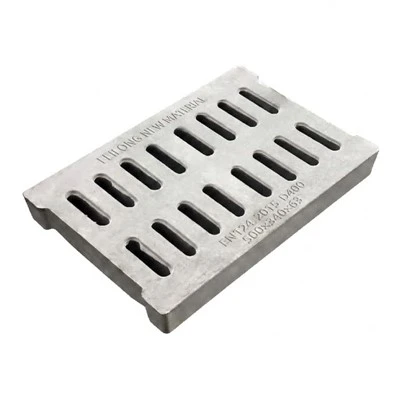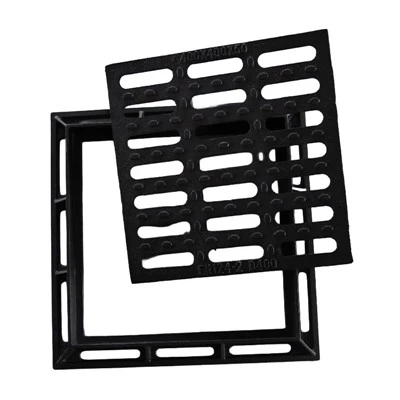

If you’ve ever wandered through an underground parking lot, you’ve probably stared at those long, metal grates along the curbs or between parking spots without giving ’em a second thought—until one creaks too loud as you park your car, or you spot a rusted, bent section that looks like it’s seen way too much abuse. As a ductile iron trench grate supplier, I get asked all the time: Can ductile iron trench grates actually hold up in underground parking lots, or are they overkill? Let’s cut through the confusion here, because the answer isn’t a simple “yes” or “no”—it’s actually rooted in what underground parking lots throw at these grates, and how ductile iron stacks up against other options.
First, let’s set the scene for underground parking lots. Unlike above-ground sidewalks or driveways, these spaces have a unique set of stressors. They’re enclosed, so moisture doesn’t evaporate fast—think drips from cars, leaky HVAC units, occasional flooding from broken pipes, and that constant mix of oil, gasoline, and brake dust that seeps into every nook. Then there’s the weight: we’re not talking about foot traffic here, but 2-ton SUVs, delivery vans, even semi-trucks that might cut through a lot for a quick turn. Add in that parking lots get tons of daily use, plus occasional renovations or heavy equipment being rolled through, and you’ve got a lot of demand for whatever’s covering those drainage channels.
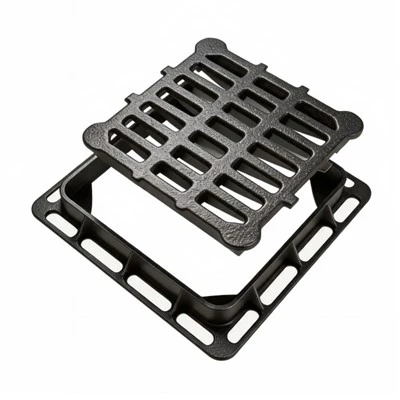
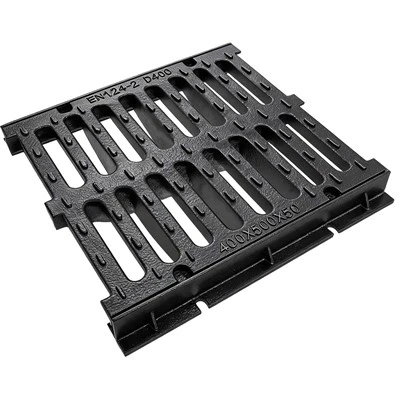
Now, ductile iron trench grates (you can check ’em out here: Ductile Iron Trench Grate) are often confused with regular cast iron grates, but there’s a key difference that changes everything. Regular cast iron is brittle—drop it, bang it with a heavy tool, or run a truck over it too many times, and it’ll crack or shatter like a old plate. Ductile iron, though, has graphite nodules that make it way more flexible—think of it as a metal that can bend a little instead of snapping. That’s a game-changer for underground parking lots, where sudden heavy loads or slight shifts in the concrete base are par for the course.
But let’s get specific about why ductile iron works better here than, say, steel or plastic grates. Steel grates are cheap upfront, but in enclosed, moist parking lots, they rust super fast—we’re talking 2-3 years before they’re so corroded that parts start falling apart. Plastic grates? They’re lightweight, which is great for foot traffic, but they melt a little when hot oil drips on ’em, crack under heavy vehicles, and get brittle in the cold (even underground can get chilly in winter if the parking lot’s unheated). Ductile iron hits that sweet spot: it’s heavy enough to stay in place even when a car’s tires catch the edge, strong enough to handle 10+ ton loads without warping, and resistant to the chemicals that run through parking lots.
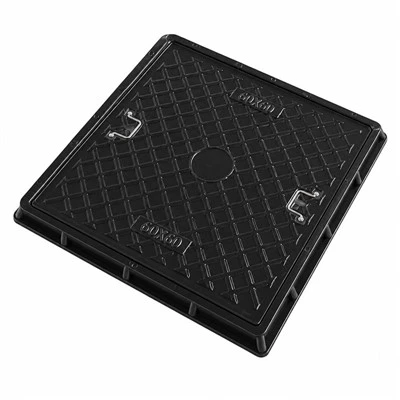
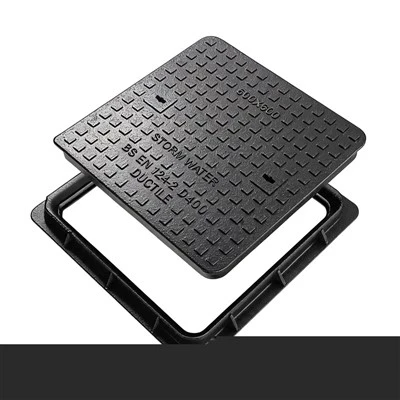
Wait, but what about drainage? Underground parking lots need grates that don’t clog up fast, right? If a trench grate’s full of gunk, water pools up, which leads to more rust and slip hazards. Ductile iron trench grates are usually made with open spacing—we design ours to let water and small debris pass through, but still block big stuff like tire rubber or loose concrete chunks. You can also find matching access covers for smaller drainage points, like the Cast Iron Gully Cover, which fits right into the parking lot’s corner drains so you don’t have mismatched pieces that leave gaps for gunk to build up. Speaking of gunk, that chemical I mentioned earlier? Oil and gas don’t eat away at ductile iron nearly as bad as they do steel. I’ve worked with a few parking lot operators who switched from steel to ductile iron a few years back—they tell me their grates still look good, whereas the steel ones they replaced needed patching every single year.
Of course, it’s not all “ductile iron is perfect.” There are a few things to watch for, especially in underground parking lots where installation matters just as much as the product itself. A lot of people buy cheap grates to save money, but if you install a thin, low-quality ductile iron grate on a wonky concrete base, it’ll warp under heavy loads fast. You need to make sure the trench’s base is properly compacted, and the grate is secured with durable bolts (not the flimsy plastic ones that come with cheap kits) so it doesn’t shift. Also, if your parking lot has really tight turns or spots where delivery vans make sharp stops, you might want a slightly heavier gauge grate than what you’d use on a residential driveway—we can help pick the right one (check out our Di Grating Cover for heavy-duty commercial options) if you’re not sure.
Another point: underground parking lots need to meet local building codes, right? I can’t tell you how many suppliers skip this, but ductile iron trench grates have industry ratings that matter for commercial spaces. Most underground parking lots are classified as “medium to heavy traffic” zones, so you need a grate that’s rated for at least 10,000 lbs of load capacity. Ductile iron is way above that—our standard ductile iron trench grates are rated for 15,000 lbs minimum, which covers even delivery trucks that cut through. Some cities also require corrosion resistance for underground structures, and ductile iron’s zinc coating (we add a powder coat finish to most of ours) meets that requirement better than raw steel.
Let’s talk real-world examples, because that’s what matters. Last year, a parking garage in downtown Chicago called me up—they’d been using steel grates for 4 years, and 30% of ’em were bent, rusted, or had gaps where water would pool, leading to a few minor slip-and-fall incidents. They switched to ductile iron trench grates and the matching Cast Iron Gully Covers, and a year later, they texted me a photo—still no bending, no rust, and the drainage is working way better. The guys who maintain the garage said the ductile iron grates don’t creak as much when cars drive over ’em, which makes customers happier, too. On the flip side, a smaller parking lot in suburban Detroit tried plastic grates because they were cheaper, and after 18 months, half the grates were cracked from snow plows (wait, no, the plows aren’t underground, but the cars spin tires in snow, and the grates get hit a lot when the lots are plowed above ground—those vibrations travel down). They had to replace ’em, and they said switching to ductile iron was more cost-effective long-term.


Wait, but what about cost? I know, upfront cost is a big factor. Ductile iron is more expensive than steel or plastic at first, but let’s do the math. A steel grate might cost $50, but you have to replace it every 2-3 years—so over 10 years, that’s $200. A plastic grate is $30, replace every 1-2 years—$150 over 10 years. A ductile iron grate is $120, and it lasts 10+ years—so that’s way cheaper in the long run. Plus, you don’t have to deal with the hassle of closing parts of the parking lot to replace grates, which for commercial lots means losing revenue. That’s a big one—parking garages make money every spot that’s filled, so shutting down 10 spots for a day to swap grates is a bigger cost than the initial price difference.
Is there a time when ductile iron trench grates aren’t a good fit? Maybe if you have a super small, residential underground parking spot that only gets used by a daily driver car—then a lighter ductile iron or even a good plastic might work, but I’d still recommend ductile iron just for durability. If your parking lot is unventilated, super damp, and has frequent flooding, ductile iron’s still better because it resists corrosion way more than other metals. The only exception I can think of is if you have a super low-budget project where cost is the only factor, but even then, you’ll end up paying more later.
Now, let’s make sure we’re not mixing up products. There are trench grates, gully covers, channel gratings—all for different drainage spots. Trench grates run along the length of a drainage channel between parking spots, while gully covers are the square or round ones in the corners (you can see all of our options here: Cast Iron Gully Covers, Ductile Iron Channel Grating). Making sure you pick the right product for each spot means your drainage works better, and the grates last longer. For underground parking lots, you want the trench grates to be long, heavy-duty, with enough open space to handle large volumes of water if there’s a leak or flood, and the gully covers to match so there are no mismatched edges that cars can catch tires on.
I get it, as a supplier, I’m biased, but I’ve seen way too many parking lots get stuck with cheap grates that fail fast. The key takeaway here is: ductile iron trench grates are absolutely usable in underground parking lots—if you pick the right load rating, install them correctly, and plan for long-term cost instead of just upfront price. They handle the moisture, chemicals, and heavy loads way better than steel or plastic, and they require way less maintenance. That’s why more and more parking garage operators, from small private lots to large downtown garages, are switching to ductile iron.
If you’re working on an underground parking lot project and want to figure out which grates make the most sense, or need to pick the right size and load rating, don’t hesitate to reach out for a chat. We can walk you through the options, from trench grates to gully covers, and help you pick something that fits your budget and your parking lot’s specific needs. No hard sell, just honest advice from someone who’s been in the industry for years, working with parking lots every day.
References
- American Society of Civil Engineers. (2022). 2022 Infrastructure Report Card: Commercial Facilities. ASCE.
- Ductile Iron Society. (2021). Corrosion Resistance of Ductile Iron in Municipal and Commercial Applications. Ductile Iron Society Technical Paper Series.
- National Parking Association. (2020). Best Practices for Parking Garage Drainage Systems. National Parking Association.
- Steel Recycling Institute. (2019). Corrosion Performance of Steel Gratings in Moist, Chemical-Exposed Environments. Steel Recycling Institute Report.