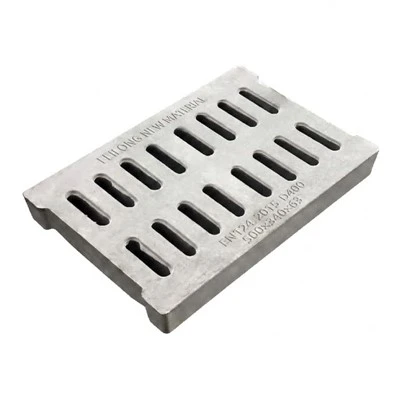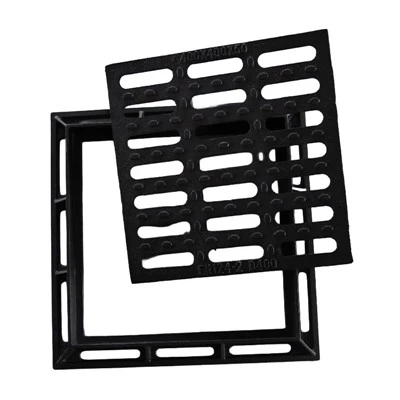

If you’ve ever stood on a city street next to a manhole cover as a garbage truck rumbled by, you might have wondered: is that cover really built to handle that kind of weight? As a supplier of ductile iron access covers, this question is one we get asked most often—especially from municipal engineers, construction contractors, and property managers whose sites see regular heavy truck traffic. The short answer is yes, ductile iron access covers are not just suitable for truck traffic; in many cases, they’re the best choice for durability, safety, and long-term cost savings. But let’s break down why, so you can make an informed decision for your project.
First, it helps to understand what makes ductile iron different from other materials used for access covers. Unlike gray cast iron, which is brittle and prone to cracking under sudden impact, ductile iron (also called nodular cast iron) has small spherical graphite nodules in its structure. These nodules act like tiny springs, allowing the metal to bend and flex instead of breaking. That flex is critical when it comes to truck traffic, which combines static weight (the steady load of a truck) and dynamic impact (the force of wheels hitting a cover as they roll over it).
Let’s put numbers to that. The American Society for Testing and Materials (ASTM) has set weight classes for access covers, ranging from A15 (for pedestrian areas) to F900 (for airport runways). For truck traffic, the minimum standard is usually D400, which is designed to support 40 tons of load—more than enough for most heavy trucks, delivery vans, and garbage vehicles. A lot of people confuse cast iron with steel, but ductile iron actually has higher tensile strength than many carbon steels, at around 60,000 psi. That means it can handle repeated stress from trucks without deforming, which is a big problem with thinner materials like polymer concrete or standard gray cast iron.
We’ve seen this firsthand on projects around the country. Last year, a municipal client in the Midwest installed our heavy-duty ductile iron manhole covers on a route that sees daily semi-truck traffic and a fleet of 25-ton garbage trucks. Six months later, they sent us photos of the area—no cracks, no warping, no gaps where debris could get in or pedestrians could trip. Before they switched to ductile iron, they were replacing gray cast iron covers every 18 months because truck impacts would shatter them, leading to road hazards and costly repairs. That’s the kind of real-world performance that makes ductile iron stand up to heavy traffic.
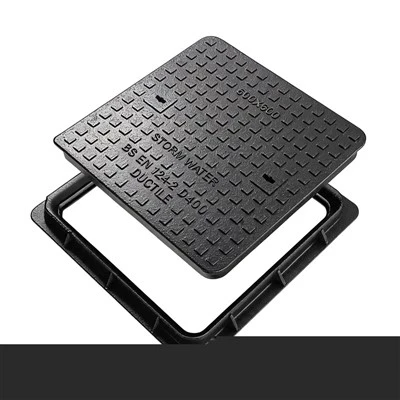
One common misconception is that all ductile iron covers are the same. That’s why it’s important to look for products engineered specifically for heavy use. For example, our Ductile Iron Cover and Frame line is precision-cast to eliminate gaps between the cover and frame. Those gaps might seem small, but when a truck rolls over them, they create a “battering ram” effect that can crack even strong materials. Our covers are also designed with a non-slip surface, which is a bonus for trucks carrying wet materials like concrete or sewage—no more slippery covers that lead to accidents during loading and unloading.
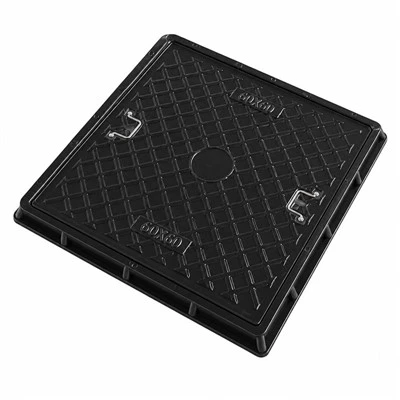
Square covers are another popular option for truck traffic, especially in areas where the cover needs to fit into a square manhole opening without leaving excess space. Our Square Cast Iron Manhole Cover is reinforced along all four edges, so it distributes the weight of a truck evenly across the manhole walls. That even distribution is key—if a cover is too thin or has uneven reinforcement, a truck’s weight can cause the cover to sag over time, which leads to tripping hazards and the need for early replacement.
Municipalities have specific requirements for access covers, and ductile iron meets those needs perfectly. The Municipal Ductile Iron Manhole Cover line is tested to meet AASHTO (American Association of State Highway and Transportation Officials) standards, which are the goldilocks for road and infrastructure projects. AASHTO’s testing involves loading a cover with 40 tons and rolling a truck over it thousands of times to simulate years of use. Our ductile iron covers pass these tests with room to spare, which means they’re not just suitable for truck traffic—they’re built to last for 50 years or more, compared to 10-15 years for other materials.
For projects with even heavier traffic, like ports or industrial yards, we offer D400 Ductile Iron Covers that are engineered to handle extreme loads. Some of our clients in the shipping industry use these covers on docks where 80-ton cargo trucks load and unload containers. The flexibility of ductile iron means the cover can absorb the impact of a heavy truck hitting it at an angle, rather than cracking. We’ve even had a D400 cover that was hit by a runaway forklift (which weighs 30 tons) and only had a small scratch—no replacement needed.
You might be wondering: what about cost? It’s true that ductile iron covers have a higher upfront cost than, say, polymer concrete. But when you factor in replacement costs, labor for installation, and the risk of accidents from failed covers, ductile iron is actually more cost-effective in the long run. A study by the National Association of City Transportation Officials found that municipalities save an average of 70% over 20 years by using ductile iron covers instead of other materials for heavy traffic areas. That’s because they don’t need to be replaced as often, and their durability means less downtime for road repairs.
Another benefit of ductile iron for truck traffic is its resistance to environmental factors. Unlike steel, which rusts and weakens over time, ductile iron has a natural corrosion resistance that’s enhanced with a protective coating. Our heavy-duty ductile iron manhole covers are coated with a bituminous paint that protects against road salt, sewage, and other chemicals common in truck-heavy areas. That means even in cold climates where salt is used to melt ice, the cover won’t corrode and become weak—something that can happen with other metal or composite materials.
We’ve also heard concerns about noise. When a truck rolls over a thin cover, it can make a loud “clank” that disturbs nearby residents. Ductile iron covers, especially those with a rubber seal between the cover and frame, are designed to minimize noise. Our covers include a built-in neoprene gasket that cushions the impact of a truck, reducing noise by up to 60% compared to uncoated cast iron covers. That’s a big plus for residential areas or downtown streets where noise complaints are a concern.
But ductile iron isn’t just for large trucks. It’s also suitable for smaller vehicles, but its versatility is what makes it stand out. Whether you’re dealing with 10-ton delivery vans or 50-ton semi-trucks, the same ductile iron cover can handle the load. That means you don’t have to stock different types of covers for different areas of your site—one heavy-duty ductile iron line works for all.
Of course, installation matters too. Even the best ductile iron cover will fail if it’s not installed correctly. We recommend working with experienced contractors who know how to set the frame level with the road surface, use proper concrete supports, and ensure the cover is aligned with the frame. We provide detailed installation guidelines with every product, and our team is available to answer questions for contractors who are new to working with ductile iron.
If you’re still on the fence about whether ductile iron access covers are right for your truck traffic area, look at the track record. Major cities like Chicago, Houston, and Los Angeles have switched to ductile iron covers for their high-traffic routes, and reports from their public works departments show a 85% reduction in cover-related repairs and accidents over the past decade. That’s not just a coincidence—It’s because ductile iron is engineered to handle the demands of heavy truck traffic better than any other material.


At the end of the day, the choice of access cover comes down to safety, durability, and cost. Ductile iron checks all three boxes. It’s strong enough to support heavy trucks without cracking or deforming, it lasts for decades with minimal maintenance, and it saves money in the long run compared to cheaper, less durable materials. Whether you’re working on a municipal road, an industrial yard, or a residential street with heavy delivery traffic, ductile iron access covers are not just suitable—they’re the best investment you can make.
If you’re ready to learn more about how our products can work for your project, or if you have questions about load classes, installation, or specific requirements for your site, we’re here to help. Reach out to our team to discuss your needs and find the right ductile iron solution for your truck traffic areas.
References
- American Society for Testing and Materials (ASTM). (2022). Standard Specification for Cast Iron and Ductile Iron Manhole Covers and Grates. ASTM International.
- American Association of State Highway and Transportation Officials (AASHTO). (2021). Standard Specifications for Highway Bridges, Section 3: Materials and Testing. AASHTO.
- National Association of City Transportation Officials (NACTO). (2020). Urban Street Design Guide: Infrastructure for Heavy Vehicle Traffic. NACTO.
- Cast Iron Pipe Research Association (CIPRA). (2019). Ductile Iron Access Covers: Performance and Durability in Heavy Traffic Applications. CIPRA Technical Bulletin.
- City of Chicago Department of Transportation. (2022). Manhole Cover Replacement Program: 10-Year Performance Report. City of Chicago.