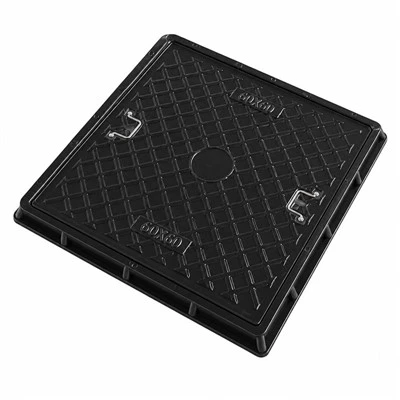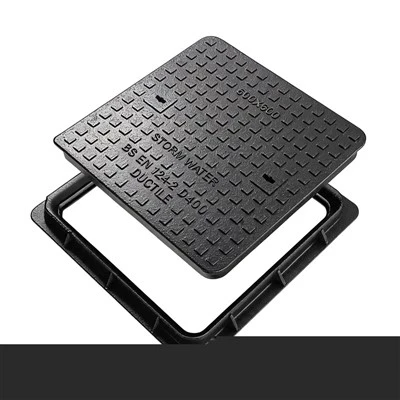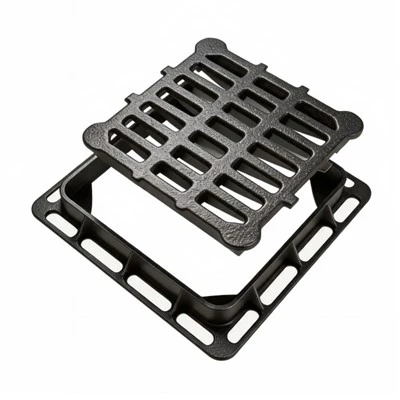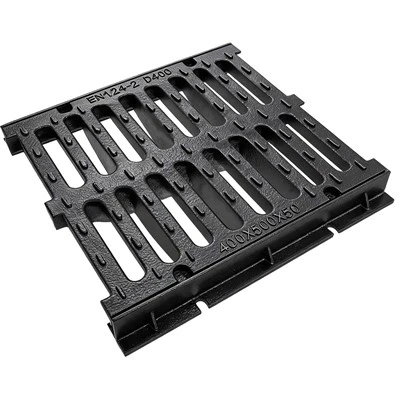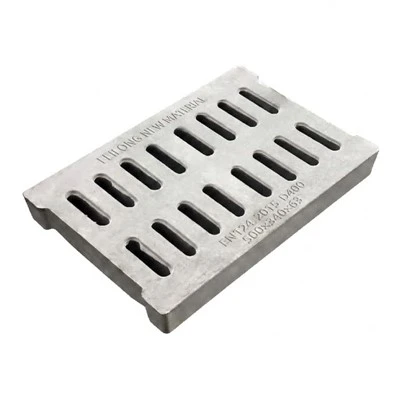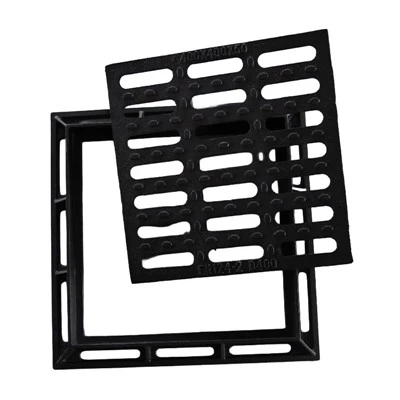

If you’ve ever stood on a city sidewalk during a heavy rainstorm, water pooling at your feet as cars splashed past, you’ve probably looked down at the metal grate set into the curb and wondered: is that really a 12 inch street storm drain grate? As a supplier who’s worked with these grates for over a decade, I get this question all the time—from city engineers, general contractors, and even homeowners who’ve swapped out a grate on their property. It’s not a one-size-fits-all answer, but there are standard sizes that most municipalities follow, and a lot of factors that go into why those standards exist.
First, let’s clarify what “12 inch” actually means here. A lot of people assume “12 inch” refers to the total length or width of the grate, but that’s not always the case. For street storm drain grates, the sizing almost always references the inner opening of the grate’s frame—the space where water flows through, not the grate’s overall dimensions. A 12 inch grate, for example, will have a clear opening of roughly 12 inches, but the actual grate might be 14 or 15 inches wide to fit snugly into the drain’s frame and keep it from shifting. That’s a key detail, because if you order a grate based on just the numbers you see stamped on it, you might end up with something that doesn’t fit your existing drain.
Now, what’s the standard for that 12 inch inner opening? In North America, most municipal codes (from places like the ASTM International, the organization that sets engineering standards for materials) peg the standard 12 inch street storm drain grate at an overall size of 12 inches by 18 inches. Wait, hold on—let me break that down. The most common curb inlet grate for street use is a rectangular shape, and the 12 inch measurement is the width of the opening (the part that faces the street, where water runs off the curb), while the length is 18 inches. This size isn’t random. It’s engineered to handle the average stormwater runoff from a 100-foot section of street without clogging too fast, and it’s light enough for maintenance crews to lift and clean, but heavy enough to withstand the weight of car tires driving over it.
But here’s the thing: “standard” can vary a lot depending on where you are. Some small towns might use a 12 inch square grate for residential side streets, while larger cities might opt for a 12 inch by 24 inch grate on busy downtown roads to move more water. That’s why a lot of folks reach out to our team at Street Storm Drain Grates (/drainage-grate/street-storm-drain-grates.html) when they’re replacing a grate and don’t want to mess up the fit. It’s easy to grab a random grate from a hardware store, but if it doesn’t match the existing frame, you’re looking at extra work cutting or rebuilding the drain, which adds time and money to your project.


Another factor that impacts size is the grate’s load rating. A 12 inch grate meant for a residential side street (where cars might only be parked, not driven constantly) has a different thickness than one meant for a busy main road with semi-trucks. That’s why we also carry Heavy Duty Stormwater Grates (/drainage-grate/heavy-duty-stormwater-grates.html) that fit the same 12 inch frame but are thicker and made to handle higher weight loads. If you use a light-duty residential grate on a street with frequent commercial traffic, it’s going to crack or bend in a matter of months, which is a safety hazard—trip hazards for pedestrians, and a gap where leaves and debris can get into the drain and clog it up.
I’ve seen a lot of people confuse street grates with driveway or parking lot grates, too. A 12 inch Driveway Stormwater Grate (/drainage-grate/driveway-stormwater-grates.html) might look similar, but it’s usually made of lighter material and has smaller openings to keep small rocks or gravel from washing into the drain (wait, no—actually, driveway grates are often designed to let water through but keep larger debris like tree branches out, so their bar spacing is tighter. That’s a key difference between street grates, which are made to let as much water through as fast as possible, and driveway grates, which are more focused on debris control). Parking lots, on the other hand, need even bigger grates to handle runoff from large paved areas, so their 12 inch equivalents are often longer to cover more space. And if you’re working in an area with lots of freeze-thaw cycles, some engineers opt for Composite Gully Grates (/drainage-grate/composite-gully-grate.html) instead of metal—they fit the same standard 12 inch frames but don’t rust, which saves on maintenance over time.
Let me get back to the original question: is there a universal standard for a 12 inch street storm drain grate? The short answer is, no—there’s no single rule that applies everywhere, but there’s a widely accepted baseline in most U.S. and Canadian municipalities. That baseline is a rectangular grate with a 12 inch inner opening, an overall size of 12 inches by 18 inches, and a load rating of C-250 (meaning it can handle up to 250 kN, or about 25 tons, of weight) for most residential streets, and C-400 for main roads. But you always need to double-check your local municipal specs before ordering, because some cities have their own custom sizes. For example, a few smaller cities in the Midwest use a 12 inch square grate instead of rectangular, just to match older drain systems that can’t be easily modified.
If you’re a homeowner replacing a grate on your property, or a contractor working on a street project, getting the size right matters for more than just fit. A grate that’s too small won’t handle heavy rains, leading to street flooding that can damage cars or cause property damage. A grate that’s too big might leave gaps or be too weak to handle traffic. That’s why so many of our customers come to us when they’re looking for a 12 inch street grate—we’ve been matching grates to drain sizes for years, so we can tell you exactly what fits your frame without you having to guess. We also stock a range of sizes, so if your project needs a custom dimension, we can help with that too.
Another thing I’ve learned over the years: a lot of people don’t think about the grate’s material when they’re checking size. Metal grates are the most common, but composite grates are becoming more popular because they’re lightweight, rust-proof, and just as durable as metal. They work with the same standard frames, too, so if you switch from metal to composite for your 12 inch grate, you don’t have to modify the drain. That’s a big win for cities that want to reduce maintenance costs—no more patching rusted grates every few years.
Now, let’s talk about common mistakes I see. Last year, a small contractor came to us panicking because he’d ordered a 12 inch grate based on the number stamped on the front, but it was 12 inches long and 12 inches wide—his drain frame was 12 inches by 18 inches, so it was too narrow. He’d spent a whole day cutting the frame to fit, which cost him time and money on the job. That’s why it’s so important to take a measurement of your existing frame’s inner opening before you order. If you can’t get under the curb to measure, a photo of the grate next to a ruler will help, too—just make sure the ruler is flat against the grate so the measurement is accurate.
If you’re working on a larger project, like a new development or a road repair, you’ll want to check your local stormwater management plan. A lot of cities require specific grate sizes and materials to meet EPA standards for runoff control. For example, some areas mandate that grates have certain bar spacing to catch trash and debris before it gets into local waterways, which means a 12 inch street grate might have wider or narrower bars depending on where you are. That’s another reason to work with a supplier who knows the local codes—we can point you in the right direction so you don’t run into compliance issues.
At the end of the day, the standard size for a 12 inch street storm drain grate is less about a single number and more about matching the grate to your specific drain, traffic load, and local regulations. That’s why we don’t just send random grates to our customers—we ask a few quick questions: where is this going? What’s the traffic like? What’s the existing frame size? Then we can recommend the right grate for the job, whether that’s a standard metal grate for a residential street, a heavy-duty one for a busy highway, or a composite grate for a city that wants to cut down on rust and maintenance.
If you’re not sure what size you need, or you want to learn more about the options, our team is here to help. We’ve worked with hundreds of contractors, city engineers, and homeowners to get the right grates for their projects, and we can walk you through the process of measuring, choosing the right material, and making sure it meets your local codes. Don’t guess when it comes to storm drain grates—get the right size the first time, so you don’t have to deal with headaches down the line.
References
ASTM International. (2020). Standard Specification for Cast Iron Drainage Grates and Frames. ASTM A47/A47M-20.
National Association of City Transportation Officials (NACTO). (2019). Urban Street Design Guide: Stormwater Management.
Canadian Standards Association (CSA). (2021). Precast Concrete Storm Drain Inlets and Grates. CSA A23.4-21.