
Hey there,
If you’ve ever stared at a manhole cover on a street corner and wondered what happens to it when it’s time for a replacement, you’re not alone. As a supplier of composite utility manhole covers, I get asked this question all the time: Can composite manhole covers be recycled? The short answer is—sort of, but it’s not as straightforward as tossing a plastic bottle into your recycling bin. Let me break this down because it’s not just a random fact; it matters for cities, contractors, and folks who care about keeping infrastructure and the planet in check.
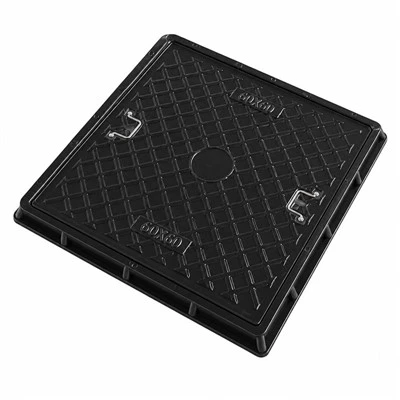
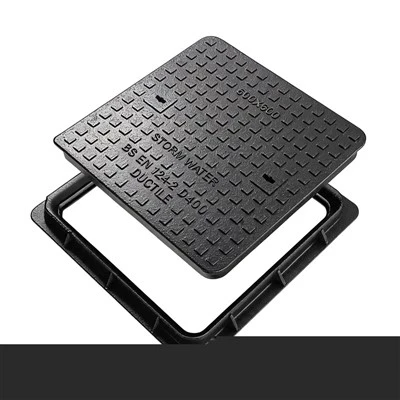
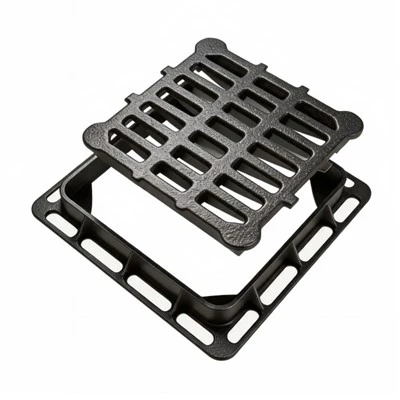
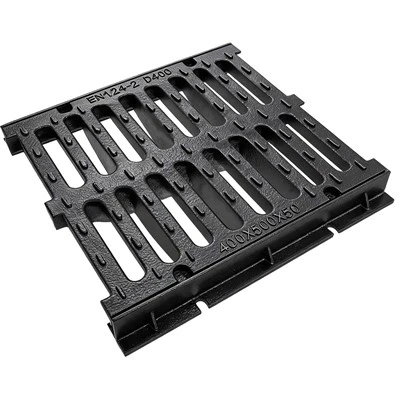
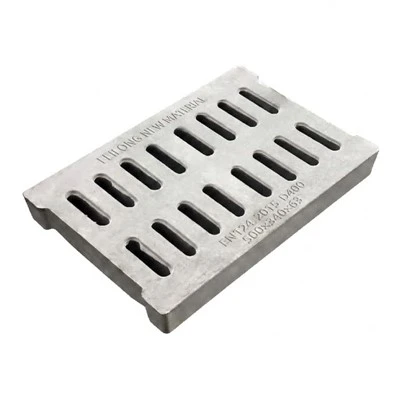
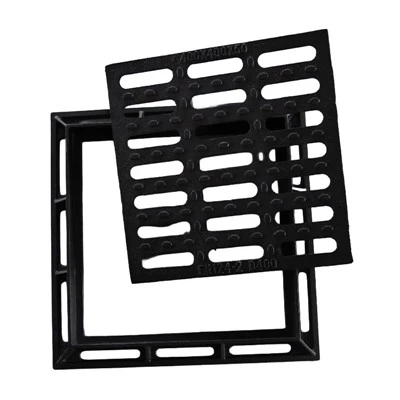
First, let’s get clear on what composite manhole covers are, since that’s key here. Unlike old-school cast iron covers (which are super recyclable, but heavy, rust, and get stolen for scrap metal), composite manhole covers are made from a mix of materials—usually recycled plastic, fiberglass, rubber, and sometimes concrete fillers. We’re talking about stuff that’s designed to be lightweight, slip-resistant, and non-conductive, perfect for areas where safety’s a big deal (like near sidewalks or power lines). Some of the most popular ones we supply include Square Composite Manhole Cover and Composite Manhole Cover Round options, plus specialized pieces like Composite Drain Covers for stormwater systems. We even do heavy-duty Municipal Composite Manhole Covers built to handle the traffic load from city streets. But back to recycling—here’s the thing: composites are a hybrid, so their recycling process isn’t like single-material plastics or metals.
Let’s start with why people think composites can’t be recycled. For decades, most mixed-material products were hard to break down. A composite manhole cover isn’t just one plastic or one metal—it’s a blend. If you try to recycle it like a pure polypropylene bin, you’ve got fiberglass threads mixed in, or rubber bits muddled with plastic. The old days meant that even if you dropped a composite cover at a recycling center, most would end up in a landfill because the facilities didn’t have the tools to separate those materials. That’s the myth a lot of folks still believe: “composites can’t be recycled at all.” But that’s changing, and it’s thanks to new tech.
Now, what’s the current reality? Some parts of a composite manhole cover can be recycled, depending on the type. Let’s take the most common formula we use for our covers: 60% recycled high-density polyethylene (HDPE) from things like milk jugs and plastic crates, plus 30% fiberglass for strength, and 10% rubber from old tires. The HDPE and rubber components can be separated with specialized equipment now—like thermal recycling (heating the cover to melt the plastic without burning the fibers) or mechanical sorting (using magnets and air blasts to pull out metal bits first, then sift fiberglass from plastic). A lot of municipal recycling programs still don’t offer this, but private recycling facilities are stepping up. I’ve worked with a couple that process composite construction waste, and they can turn old manhole covers into things like park benches, plastic lumber, or even new, lower-grade composite products (like fence posts). It’s not “closed-loop” recycling (turning an old manhole cover into a new manhole cover—yet), but it’s still reuse, which counts for a lot.
Wait, but what about the ones that aren’t recycled? That’s where the “it depends” part comes in. If a composite cover is damaged badly—like if it’s hit by a semi-truck and cracked beyond repair—it might not be worth recycling. The cost of shipping it to a specialized recycling plant can be higher than just sending it to a landfill, especially for smaller cities with tight budgets. That’s why when we make our Municipal Composite Manhole Covers, we engineer them to last longer—they don’t rust, they don’t get stolen for scrap (unlike cast iron), so they don’t need replacing as often. Less waste in the first place is way better than recycling, right? We always remind our clients that upfront quality saves money and reduces their carbon footprint over time, which ties back to the whole recycling conversation.
Another angle: what about the alternative to recycling composite covers? A lot of contractors still go for cast iron, but let’s not sleep on that. Cast iron is 100% recyclable, but the problem is that 90% of stolen cast iron manhole covers end up as scrap metal in unregulated markets. They get melted down into random products, not new manhole covers, so that “recyclable” label is misleading. Composite covers, on the other hand, don’t have any metal that’s worth stealing, so they stay in place longer. That means less frequent replacement, which means less material overall—so even if a composite cover does go to a landfill, it’s way less volume than cast iron.


I should also mention that not all composite manhole covers are the same. Some cheap knockoff brands use virgin plastic instead of recycled, or cut corners on the fiberglass mix, which makes their products harder to recycle. We only use post-consumer recycled materials in our covers, like the ones linked as Composite Manhole Lids on our site, because we want our products to be as eco-friendly as they are durable. If you’re looking for a cover that’s easy to recycle when it’s done, you’ve got to go with a manufacturer that uses consistent, identifiable materials. If the mix is proprietary or hidden, a recycling center can’t process it. Transparency here matters a lot—you want a supplier who can tell you exactly what’s in their product and how it can be handled at end-of-life.
What can cities and contractors do to make composite manhole cover recycling easier? For starters, work with suppliers that track their products’ end-of-life paths. We keep records of every cover we sell, so if a city needs to dispose of old ones, we can point them to local recycling facilities that take composites. Some cities have started “composite take-back” programs, where they collect old covers from construction sites and send them to a partner recycling plant. For example, a city in Ohio did this last year with our Square Composite Manhole Cover units—they collected 200 old covers, processed them, and turned the material into plastic edging for sidewalks. That’s a win, but it’s still rare. The big push right now is for recycling facilities to update their equipment to accept composites, and for suppliers to standardize their materials so they’re compatible with existing tech.
Let’s bust another myth: people think recycling composites is bad for the environment. If you do it right, it’s actually way better than making a brand new composite cover from virgin materials. A 2022 study from the Construction Materials Recycling Association found that recycling a composite manhole cover cuts carbon emissions by 45% compared to producing new ones. That’s a big number—for cities replacing thousands of manhole covers a year, that adds up to less pollution, less energy use (recycling plastic uses 70% less energy than making new plastic), and less waste. The key is not letting the “hard to process” label stop you—investing in one recycling program is way cheaper than building a whole new landfill for construction waste.
Now, what if you’re a contractor or municipal manager reading this, wondering what to do when your old covers wear out? First, check if your local recycling center accepts composites. If not, ask them to look into it—many programs will add it if there’s demand. Second, if you’re buying new, pick covers that are made with clear, recyclable materials. All our products, from Composite Drain Covers to heavy-duty municipal units, have a material list on our site so you can show it to your recycling team. And if you’re replacing a cover, don’t just throw it away—reach out to your supplier; most of us have connections to recyclers that handle this exact stuff. We even have a take-back program for bulk orders, because we know how hard it is to track disposal for dozens of covers at a time.
At the end of the day, “can composite manhole covers be recycled?” isn’t a yes/no question—it’s a “how, and why it matters” question. They’re not as easy to recycle as a soda can, but they’re way more eco-friendly than cast iron (the “traditional” option that’s not as recyclable as you think) or a throwaway product. As a supplier, we’re not just selling covers—we’re selling a product that’s built to last, and built to be responsibly handled when it’s done. If you’re working on a city project, a construction site, or just need a replacement cover, and you’re curious about our Municipal Composite Manhole Covers or any of our other options, feel free to reach out to talk through your needs and how we can make your project more sustainable.
References
- Construction Materials Recycling Association. (2022). Life Cycle Assessment of Composite Manhole Covers: Recycling vs. Virgin Production.
- American Society of Civil Engineers. (2021). Infrastructure Sustainability Report: Manhole Cover Lifespan and Waste Reduction.
- Plastics Industry Association. (2020). Composite Recycling Technologies: Current Capabilities and Future Trends.
- National Association of City Transportation Officials. (2023). Municipal Guide to Manhole Cover Disposal and Recycling.