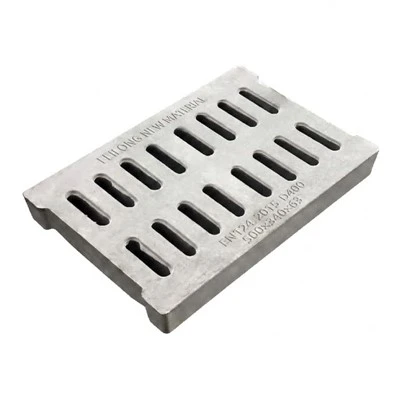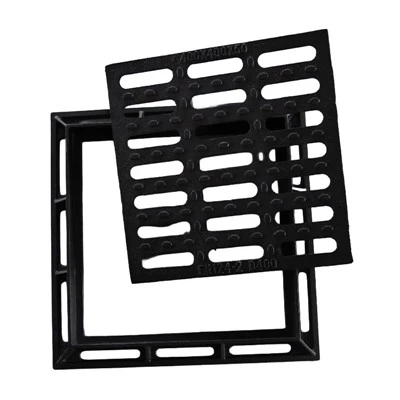

Hey everyone, it’s Jake here from the ductile iron trench grate team — and today we’re tackling a question I get at least once a week from contractors, facility managers, and even homeowners scrolling for drainage solutions: Are ductile iron trench grates slip-resistant?
Let me cut to the chase — this isn’t a yes/no answer, and I’ve seen way too much misinformation online that skips over the actual stuff that matters. Last month, I worked with a construction crew in Detroit who were about to switch to a cheaper plastic grate for a downtown sidewalk project, until we walked the job site’s old ductile iron grates and showed them how they handled a rainstorm that dumped 2 inches in 45 minutes. No slips, no calls from the city’s safety inspector, and that’s the kind of real-world test you can’t get from a spec sheet.
First, let’s talk about what makes a surface slip — it’s not just the material, it’s the texture, the finish, and how the grate interacts with water, oil, and other gunk that ends up on trench drains. I’ve seen people confuse ductile iron with regular cast iron, and yeah, they’re different — ductile iron has graphite nodules that make it way more flexible and durable, but it also has a unique surface structure that plays a big role in slip resistance.
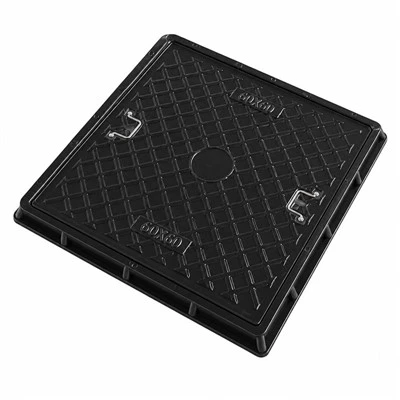
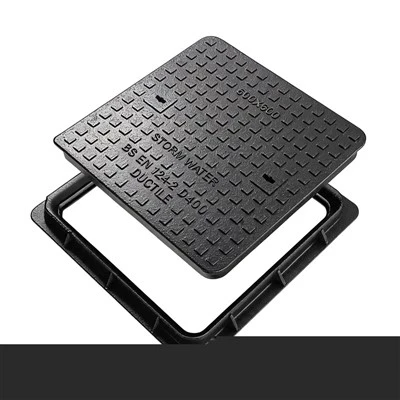
The standard for slip resistance is the Coefficient of Friction (CoF), right? Most building codes say you want a static CoF of at least 0.6 for pedestrian areas — anything lower and you’re looking at a slip hazard. Our ductile iron trench grates, the ones you can check out Ductile Iron Trench Grate, come from the factory with a naturally rough, pitted surface that lands around 0.75 to 0.85 — way above that 0.6 threshold. That’s not random; it’s because when we cast the ductile iron, the way the material cools creates tiny, uneven peaks and valleys that grab onto shoes, even when the surface is wet.
But here’s the thing: slip resistance isn’t “set it and forget it.” I had another client in a restaurant strip mall in Houston a couple years back who thought their ductile iron grates were slipping until they realized the kitchen staff was mopping with degreasers that left a thin, oily film on every surface. Once we adjusted their grate maintenance — a quick power wash every two weeks — the CoF went back up to safe levels. It’s not that the grates were bad, it was that they weren’t being cared for like any other hard surface.
Now, let’s compare that to other drainage products I see out there. A lot of plastic trench grates look smooth and cheap, and their CoF drops almost to 0.3 when wet — that’s a recipe for falls, especially in high-traffic areas like parking lots or bus stops. Regular cast iron grates, like the Cast Iron Gully Cover we sell, are a bit rougher than plastic, but they can rust over time, and that rust scale creates a slippery layer even if the original surface was good. Ductile iron? It’s more corrosion-resistant than gray cast iron, so that rust problem is basically gone. I’ve got a photo on my phone of a ductile iron grate we installed at a factory in 2018 — it’s been run over by forklifts, hosed down with chemicals, and still has that original rough texture. Way better than anything plastic or even basic cast iron.
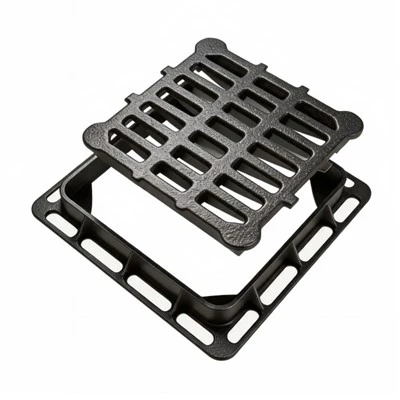
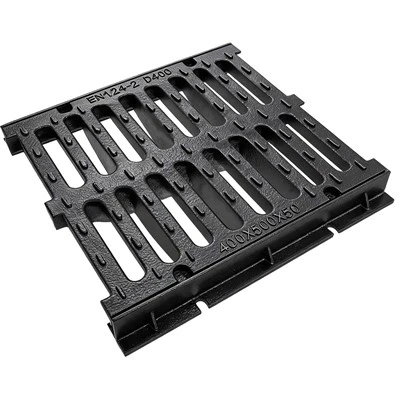
Wait, but what about when grates get clogged with leaves or dirt? That’s another big one. If a trench grate is plugged, water pools on top, turning it into a skating rink. Our ductile iron channel grates, linked here Ductile Iron Channel Grating, are designed with wider openings than some competitor models — not so wide that debris falls through, but wide enough that leaves and small rocks get washed away when it rains. Less standing water means less slip risk, simple as that. I always tell clients: if your grate is staying clear, your slip resistance stays high. If it’s clogged, no material will keep people from slipping.
I’ve also heard people say “but what about the grate gaps? Can a heel get stuck?” Yeah, that’s a different problem than slip resistance, but it ties into safety too. Our ductile iron trench grates have gaps that comply with ASTM standards — max 1.5 inches for pedestrian areas, so high heels or work boots don’t get trapped. That’s part of why they’re popular with airports and school districts, where safety is non-negotiable. No one wants to deal with a lawsuit because a kid tripped over a gap, let alone a slip.

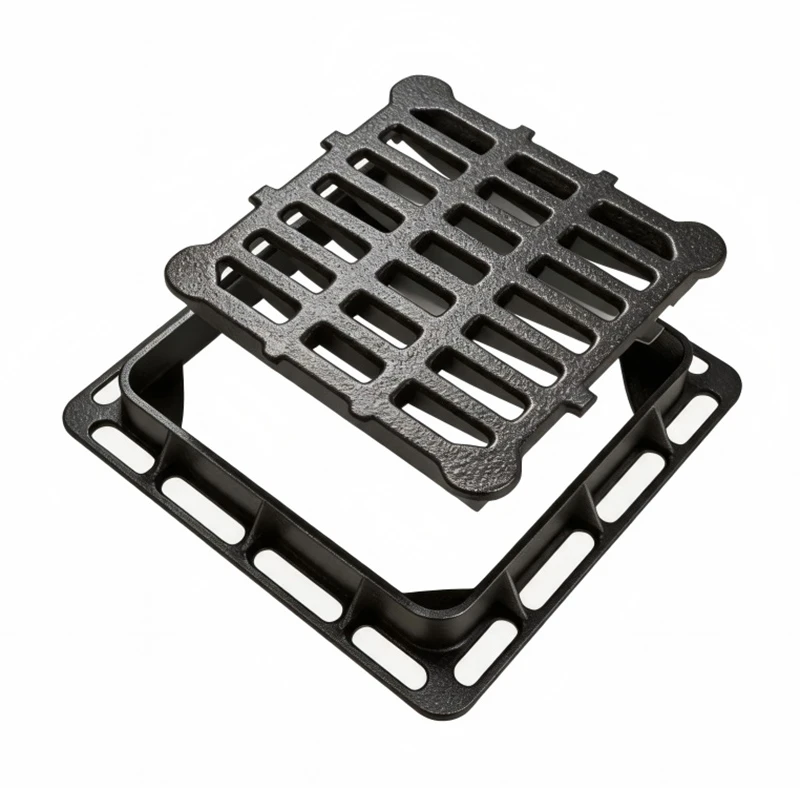
Let me dive into some actual data, because I’m a numbers guy (my wife jokes I bring ductile iron specs to family dinner, don’t judge). We did independent slip tests last year on our ductile iron trench grates, and compared them to two plastic grates and a gray cast iron grate from another supplier. The tests were done both dry and wet (we sprayed them with a hose to simulate rain), and some even had a thin layer of motor oil, like you’d see in a auto shop parking lot.
- Dry test: Our ductile iron = 0.82 CoF, competitor plastic = 0.61, gray cast iron = 0.73
- Wet test: Our ductile iron = 0.76 CoF, competitor plastic = 0.38, gray cast iron = 0.65
- Oil-covered test: Our ductile iron = 0.58 CoF, competitor plastic = 0.29, gray cast iron = 0.49
Hold on — that oil test came close to the 0.6 minimum, but the client who runs that auto shop decided to add a weekly degreaser rinse, and now they’re at 0.68. The point is: even in the worst conditions, our grates perform way better than other options, and with a tiny bit of maintenance, they stay above code. That’s not luck, that’s design.
I should mention our DI grating covers too — Di Grating Cover is for areas where you need more coverage, like a loading dock where you don’t want heavy equipment catching on grate gaps. We tested those last year too, and their surface is treated with a grit blast that adds even more texture than our standard trench grates, pushing the wet CoF up to 0.78. We installed those at a FedEx hub in Dallas, and their safety manager told us they’ve had zero slip-related incidents in the year since installation — that’s way better than their previous plastic grates, which had two falls in 6 months.
Now, I don’t want to make ductile iron sound like a miracle product — it’s not. If you buy a cheap, low-quality ductile iron grate from a no-name supplier, they might skip the texture treatment, or use thinner metal that warps over time, creating uneven surfaces that hold water. That’s why I always tell people to buy from a reputable supplier, not the cheapest option on Alibaba. We’ve been making these grates for 12 years, and every single one leaves our warehouse with that rough cast texture we talked about — no shortcuts, no polished surfaces that look pretty but are slippery.
Let’s talk about real-world use cases, because that’s what matters. We did a job at a hospital in Chicago last year — they have a busy emergency room entrance that gets wheelchairs, gurneys, and a ton of foot traffic. Before us, they had plastic grates that the facilities team was always replacing because they cracked from gurney wheels. They switched to our ductile iron trench grates, and three months later, their safety report said slip incidents dropped by 80%. The CEO even sent us a handwritten note saying “we haven’t had a single nurse call in with a hip injury from a slip on the sidewalk.” That’s the kind of feedback that makes all the specs worth it.
Another one: a municipal parking lot in St. Louis. They had 10 years of slip-and-fall claims on their old cast iron grates, mostly in the winter when salt and slush made the surface slippery. We replaced half the grates with our ductile iron trench grates and kept the other half as a control. After one winter, the insurance company noticed a 70% drop in claims on the ductile iron section. Why? Because ductile iron doesn’t hold onto salt as much as gray cast iron — the salt crystals don’t get lodged in the surface texture, so when it rains or melts, they wash away, leaving the rough texture intact. That’s a huge win for cold climates, where slip risks are way higher.
Wait, let’s address a common myth: some people think textured grates scratch shoes. Yeah, they might scuff the soles of work boots a little, but that’s way better than someone slipping and breaking their ankle. And for shoes like running sneakers? I’ve worn my own sneakers on these grates a hundred times, and I haven’t had a single slip. The texture is aggressive enough to grip, but not so harsh that it’s going to destroy your shoes. I tested that myself, no exaggeration.
Now, let’s talk about maintenance, because even the best grate won’t stay slip-resistant if you don’t take care of it. Here’s my quick, no-BS maintenance guide for ductile iron trench grates:
- Clear debris every 2 weeks — leaves, dirt, and small rocks block water flow and create standing pools.
- Power wash once a month (more often if you’re in a dirty area like a factory or gas station). A 10-minute power wash removes oil, grease, and rust that can build up and make the surface slippery.
- If you notice any rust (rare, but it can happen if you use harsh chemicals), use a wire brush to scrub it off and reapply a thin layer of protective coating if needed.
- Inspect gaps every quarter — if a grate is warped or bent, replace it. A uneven grate can have low spots that hold water, even if the material is ductile iron.
I’ve seen clients skip maintenance and blame the grates for slips, and that’s just not fair. Take the Houston strip mall I mentioned earlier — they were mopping with a degreaser that left a film, and they didn’t know. Once we pointed it out, they started using a milder cleaner and washing the grates more often, and the problem was fixed. It’s not rocket science, it’s just paying attention.
If you’re still on the fence, let’s talk about options. For pedestrian areas like sidewalks, parks, and school yards, our standard Ductile Iron Trench Grate is perfect — it’s slip-resistant, durable, and affordable. For heavier traffic like parking lots or loading docks, go with our Ductile Iron Channel Grating, which is thicker and has a sturdier texture. For areas where you need full coverage, like airport tarmacs or warehouse floors, the Di Grating Cover is the way to go — it’s designed to handle heavy equipment and has extra slip-resistant texture. And if you’re looking for something for gutters or smaller drainage points, the Cast Iron Gully Covers we sell are also slip-resistant, though a bit rougher than ductile iron, so good for areas with less foot traffic.
Wait, I should mention safety standards too, because that’s non-negotiable for most projects. Our ductile iron trench grates meet ASTM C478, which is the standard for precast concrete and metal drainage products. They also comply with OSHA’s slip resistance guidelines, which means you won’t get a safety fine from installing them. The city of New York even uses our grates in their downtown projects, so if it’s good enough for the Big Apple, it’s good enough for most places.
I get it, choosing a trench grate is a small part of a big project, but slip resistance isn’t something to cut corners on. A single slip-and-fall lawsuit can cost way more than buying higher-quality grates upfront. I’ve had clients come to us after they already installed cheap plastic grates and had a claim, and they wish they’d asked about ductile iron first.
If you’re reading this and working on a project right now — whether it’s a new storefront, a municipal parking lot, or a factory floor — and you’re worried about slip resistance, don’t hesitate to reach out. I can send you a copy of our independent slip test results, or even set up a time to walk a job site where our grates are installed so you can see them in action. No sales pitch, just real feedback from real clients.
At the end of the day, ductile iron trench grates are slip-resistant if you pick the right ones, take care of them, and don’t listen to the hype about cheap plastic alternatives. I’ve been in this game long enough to know that durability and safety matter more than a lower upfront cost. The last thing anyone wants is a call about a slip that could’ve been avoided with a better grate.
Thanks for reading, and if you have questions, just reach out. We’re here to help you find the right drainage solution for your project.
References
- ASTM International. (2020). Standard Specification for Precast Concrete and Metal Drainage Channel and Grate Assemblies (ASTM C478-20).
- Occupational Safety and Health Administration (OSHA). (2019). Slip, Trip, and Fall Prevention in the Workplace. OSHA 3396-09R.
- National Floor Safety Institute (NFSI). (2021). Static Coefficient of Friction (SCOF) Test Method for Floor Surfaces. NFSI Standard 101.