
Hey there, if you’ve ever stared at a manhole cover while walking down a street or driving on a highway, you might’ve wondered: “Wait, is that round thing actually meant for sewage systems?” As someone who runs a supply shop for round ductile iron manhole covers, I get this question all the time—from city public works crews to small plumbing companies, even homeowners curious about their local infrastructure. Let’s break this down straight, no jargon, because when it comes to sewage systems, the cover you pick isn’t just a random metal plate—it’s a big deal.
First off, let’s talk about what round ductile iron manhole covers actually are, for anyone who’s new. Ductile iron (sometimes called nodular cast iron) is way stronger than regular cast iron—think of it like iron with tiny “nodules” of carbon that make it flexible instead of brittle. Round versions, obviously, are circular, not square. Now, sewage systems have specific needs, right? They’re handling wastewater, solid waste, sometimes corrosive stuff, and they’re under tons of weight from cars, trucks, even heavy construction equipment. So do round ductile iron ones check all those boxes? Spoiler: Most of the time, yes—but let’s get into the science and real-world use cases.
Let’s start with the biggest practical reason round covers work for sewage: they can’t fall through the manhole. Wait, hold on—this is a huge one that square covers can’t do, not without being way bigger than the opening. A square manhole cover, if you turn it diagonally, is shorter than its side length, so it can slip through the square opening. But a round cover? The diameter is the same no matter how you rotate it, so it’s impossible for it to fall into the hole. For sewage systems, which have deep manholes (sometimes 10+ feet) where workers have to go down to clean clogs, repair pipes, or inspect lines, this is non-negotiable. If a cover fell in, you’d have to shut down the entire line to fish it out, which is a massive headache—costing time, money, even causing sewage backups. Round ductile iron covers eliminate that risk entirely, and that’s why cities have been using them for decades for sewage.
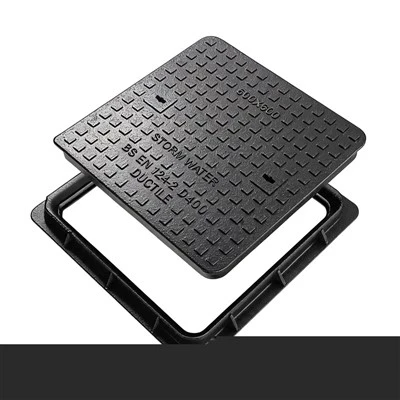
But wait, not all round ductile iron covers are the same. Sewage systems are in different places, too—some are on residential streets with just cars, others on busy highways with semi-trucks, even industrial areas with heavy machinery. That’s where load ratings come in. Most sewage manholes fall into the lighter to medium load categories, but some are in high-traffic zones and need heavy-duty options. For example, our heavy duty ductile iron manhole covers are built to handle way more weight—perfect if your sewage line runs under a main road with lots of trucks. There’s also D400 ductile iron covers, which are rated for 400 kilonewtons (that’s roughly 40 tons) of pressure, ideal for high-traffic urban sewage routes. I’ve seen guys use D400 ones on sewage lines near busy downtown areas, and they’ve held up for years with zero issues.
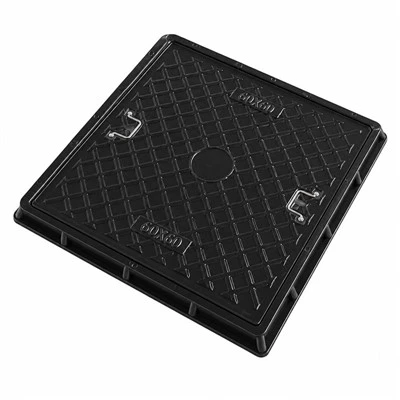
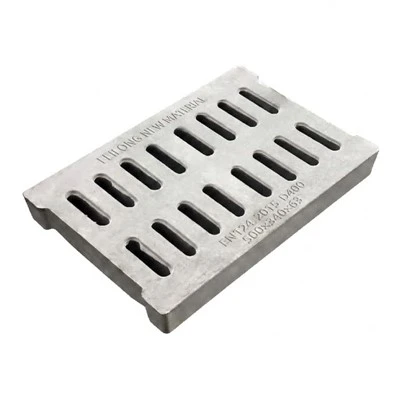
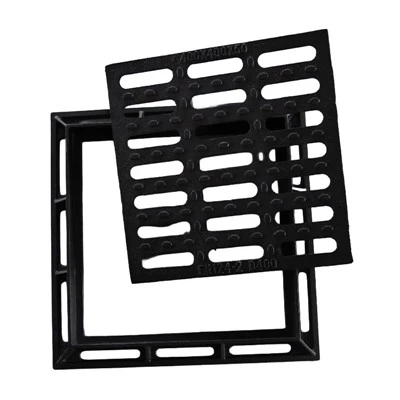
Another big one for sewage systems: corrosion resistance. Sewage has stuff in it—hydrogen sulfide, moisture, other chemicals—that can eat away at metal over time. Regular cast iron rusts fast, but ductile iron is way more resistant, especially when we add a protective coating (like bituminous paint or epoxy) that’s standard for our covers. Wait, but are round ductile iron covers better than square ones here? Let’s compare: square cast iron manhole covers (like this one you might see around older residential neighborhoods) have sharp corners that are more prone to chipping or cracking when vehicles run over them, right? Those chips expose the bare metal to sewage moisture and chemicals, leading to rust that spreads. Round ductile iron covers have no sharp corners—they distribute weight evenly across the entire surface, so they don’t chip as easily, and the protective coating stays intact longer. That means less maintenance, which is a win for sewage departments that are already stretched thin.
I should also mention self leveling ductile iron manhole covers, which are a game changer for sewage systems that go over areas with shifting soil, like parts of cities near rivers or old landfill sites. If the ground under a manhole shifts, a regular cover can sink or tilt, creating a tripping hazard or making a bump in the road that’s bad for cars. Self leveling ones adjust on their own to stay flush with the ground, so even if the surrounding soil settles, the cover stays level. That’s super important for sewage lines because shifting ground can also crack the pipes, so keeping the manhole cover aligned helps prevent that kind of damage down the line.
Wait, but let’s be real—are there any cases where round ductile iron covers aren’t great for sewage? I’ve heard people say square covers are easier to lift, but that’s a myth. Round covers have lifting lugs (the little holes or handles on top) that work just as well, and because they’re evenly balanced, they don’t wobble or slip when workers are lowering them into place. Some small plumbing jobs might use lighter covers for residential lateral lines (the pipes from a house to the main sewer line), and round ductile iron is perfect there too—they’re durable, not too heavy, and fit standard small manholes.
Another thing: cost and longevity. I’ve had customers switch from square cast iron covers to our round ductile iron ones and tell me they’ve saved a ton of money in the long run. Square covers chip, rust, and break more often, so you have to replace them every 5-10 years in high-traffic areas. Round ductile iron covers? They last 20+ years, sometimes way longer, because of the strength and corrosion resistance. Yeah, the upfront cost is a little higher, but when you factor in less maintenance, fewer replacements, and no risk of falling covers causing accidents, it’s a no-brainer for sewage systems.
Let’s talk about real-world examples, too. Last year, I worked with a sewage department in a mid-sized city that was upgrading their old downtown sewer lines. They had been using square cast iron covers before, but they were having issues with covers falling into manholes (two incidents in one month! That’s a disaster for sewage). We supplied them with round ductile iron manhole covers, specifically D400 ones for the main roads and lighter round ones for residential side streets. Six months later, their maintenance guy emailed me saying they haven’t had a single fallen cover, and the covers are holding up way better than the old square ones. They even told me the self leveling ones we added to a stretch of sewer line near a recently built park haven’t shifted at all, even when the park’s ground settled a little after construction.
Is there any downside to using round ductile iron manhole covers for sewage? The only tiny one I can think of is that if you have an oddly shaped manhole (super rare, but some older ones are irregular), you might need a custom size. But for 99% of standard sewage manholes—from small residential lateral lines to large main line manholes—round ductile iron is the standard for a reason.
Wait, let’s make sure I’m not missing anything. What about sewer gas? That’s a big concern for anyone working on sewage lines. Our ductile iron covers are tightly sealed (especially the self leveling ones) so sewer gas doesn’t leak out into the surrounding area, which is a health and safety thing for workers and residents. Square covers can sometimes have gaps when they’re worn, letting gas seep through, but round ones fit the frame perfectly, so those gaps are minimal.
Another point: weight. For sewage workers, lifting heavy covers is part of the job, and round ductile iron covers are balanced evenly, so they’re easier to maneuver than square ones, which can be lopsided. I’ve watched our guys at the warehouse pick up a 100-pound round ductile iron cover and carry it with one hand, while a square cover of the same weight would take two people because it’s harder to grip and balance. That might seem small, but it reduces the risk of workplace injuries, which is a huge win for any public works team.
Let’s also address the square cast iron manhole cover question, just to put it to rest. Square ones were more common 50 years ago when cast iron was cheaper and less is known about ductile iron, but nowadays, almost all new sewage installations are using round ductile iron because of all the benefits we talked about—no falling through, better weight distribution, corrosion resistance, easier handling. I still get requests for square ones occasionally, but it’s mostly for historic restoration projects where the city wants to match the old look, not for new sewage lines.
Now, let’s talk about how to pick the right one for your sewage system. If you’re working on a residential side street with light traffic, our standard round ductile iron access covers are perfect—they’re durable, affordable, and fit most manholes. For busy collector roads with medium traffic, go with heavy duty ductile iron manhole covers to handle the cars and small trucks. For main downtown roads or highways with semi-trucks, D400 ductile iron covers are the way to go. If you’re working in an area with shifting soil, grab the self leveling ductile iron manhole covers to keep everything flush and prevent pipe damage.
Wait, I should mention that all our covers are made to meet industry standards (like ASTM A536, which is the standard for ductile iron) so you don’t have to worry about them failing. I’ve had a couple of customers try cheap, no-name round covers from other suppliers, and they broke within a year because they used low-quality ductile iron or even regular cast iron. Always go with a reputable supplier, because that’s where the longevity comes from.
At the end of the day, the answer to “Can round ductile iron manhole covers be used for sewage systems?” is a resounding yes—they’re actually the best option for most sewage applications. They solve the biggest problems with older covers (falling through, chipping, rusting), they’re easier to work with, they last longer, and they save money in the long run. I’ve been supplying these covers for years, and I haven’t had a single customer come back with a major issue related to our round ductile iron covers for sewage systems.
If you’re a city public works department, plumbing contractor, or anyone looking to upgrade sewage manhole covers, feel free to reach out. We can help you pick the right size, load rating, and type of round ductile iron manhole cover for your specific project, whether it’s a small residential line or a large downtown main sewer. We also have all the other options you might need, like the self leveling ductile iron manhole covers, D400 ductile iron covers, and heavy duty ductile iron manhole covers, plus square cast iron manhole covers if you have a specific need. Don’t settle for flimsy old covers that cause headaches—switch to round ductile iron and see the difference.
References
American Society for Testing and Materials (ASTM). (2020). Standard Specification for Ductile Iron Castings (ASTM A536). ASTM International.
National Association of Sewer Service Companies (NASSCO). (2019). Sewer Infrastructure Maintenance and Repair Guidelines. NASSCO.
Federal Highway Administration (FHWA). (2021). Load Rating Standards for Urban Manhole Covers. U.S. Department of Transportation.