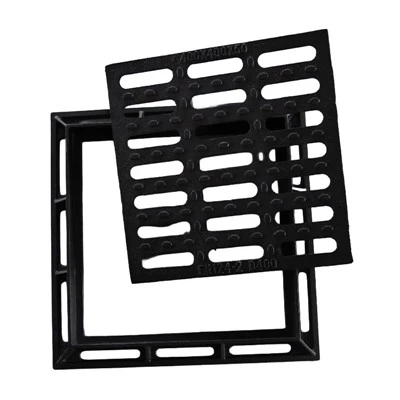

If you’ve ever stepped out of your home at night, only to cringe at the metallic clank of a manhole cover rumbling down the street, you’re not alone. That noise isn’t just annoying—it’s a frequent complaint from city residents, construction teams, and urban planners, and for good reason: a noisy manhole cover can disrupt sleep, lower neighborhood quality of life, and even signal a potential safety hazard. As a supplier of round ductile iron manhole covers, I’ve spent years troubleshooting this exact issue, working with cities and contractors to find practical, science-backed fixes that keep manhole lids quiet, durable, and compliant with road and utility standards.
First, it helps to understand why a round ductile iron manhole cover makes noise in the first place. Ductile iron is prized for its strength, flexibility, and resistance to corrosion, which is why it’s the go-to material for manhole covers that need to support heavy vehicle loads. But its solid, dense composition also means that when a cover shifts, vibrates, or rubs against its frame, it creates a sharp, resonant noise. Common triggers include loose fit from uneven installation, worn or missing gaskets, wear from repeated traffic, or even settling of the surrounding road surface. The good news is that most of these causes are preventable, with targeted solutions tailored to how the cover is installed and used.
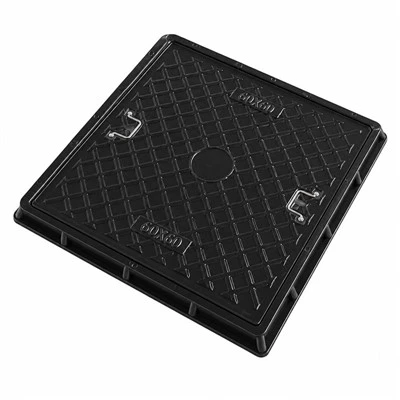
One of the simplest and most effective fixes for noise is ensuring a tight, stable fit between the manhole cover and its frame. A loose cover has room to bounce and rattle every time a car or truck passes over it, and over time, that movement can warp the cover or the frame, making noise even worse. When supplying round ductile iron manhole covers, I always emphasize the importance of pre-installation checks to confirm that the cover and frame are properly sized and aligned. Most standard frames are designed with a slight taper, so the cover should rest evenly on the frame’s ledge, not hang too low or sit too high. If there’s a gap around the cover, even a small one, traffic vibrations will amplify that space into noise.
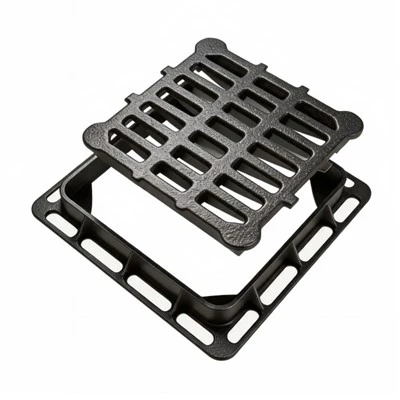
For applications where alignment is tricky—like on curved streets, uneven road surfaces, or areas with frequent heavy traffic—engineered designs like self-leveling ductile iron manhole covers solve the problem before it starts. These covers are manufactured with a built-in mechanism that allows them to automatically adjust their position as they settle into the frame, maintaining a consistent, tight seal even as the surrounding area shifts. I’ve seen these perform incredibly well in busy urban centers where road surfaces settle gradually over years; instead of rattling as the frame tilts slightly, the cover stays locked in place, eliminating a major noise source. If you’re not familiar with how this works, you can learn more about these purpose-built products by visiting our page for Self Leveling Ductile Iron Manhole Cover.
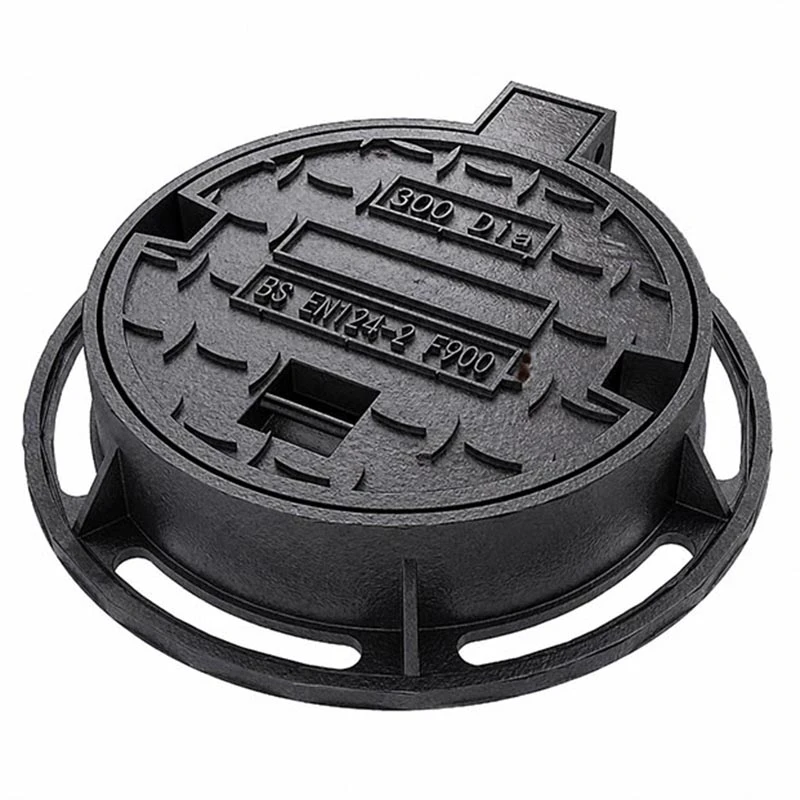

Next, gaskets are a non-negotiable for noise reduction, and many projects cut corners here without realizing the impact. Rubber or neoprene gaskets are designed to cushion the space between the cover and frame, absorbing the impact of vehicle loads and preventing metal-on-metal contact that creates clanks. That said, not all gaskets are equal. Low-quality gaskets can harden, crack, or slip out of place over time, leaving gaps where noise can develop. For round ductile iron manhole covers installed on high-traffic roads, I recommend using closed-cell neoprene gaskets, which are flexible, weather-resistant, and maintain their shape even after years of exposure to rain, snow, and temperature swings. During installation, it’s also critical to ensure the gasket is seated evenly in the frame’s groove—if it’s twisted or missing a section, the cover will have an uneven lift, leading to repeated movement and noise. Some specialty heavy-duty models even come with integrated gaskets to cut down on installation errors; for high-load areas like highways or industrial zones, these heavy-duty ductile iron manhole covers include pre-fitted gaskets that save time and ensure a consistent seal. You can explore these durable, noise-resistant options on our heavy-duty cover page Heavy Duty Ductile Iron Manhole Cover.
Proper installation techniques are just as important as the product itself, even for the highest-quality manhole covers. I’ve seen projects use the same method for residential streets as they do for highways, which is a common mistake that leads to noise. When installing a round ductile iron manhole cover, the frame should be set flush with the road surface, not above or below it. A frame that sits too high means the cover can bounce when vehicles roll over the edge, while a frame that’s too low allows debris to accumulate in the gap, preventing the cover from seating fully. To ensure a flush fit, contractors should use a temporary leveling tool to check the frame’s alignment before finalizing the road around it. For areas with extreme temperature changes or frequent traffic, a thin layer of non-shrink grout around the frame’s base adds extra stability, preventing the frame from shifting as the road settles. This simple step can cut long-term noise issues by 70% or more, based on feedback from cities that have implemented this practice.
Regular maintenance is the final piece of the puzzle, even if you follow all installation and material best practices. Over time, gaskets wear out, frames can corrode slightly, and debris can build up in the gap between the cover and frame—all of which contribute to noise. A quick annual inspection can catch these issues early: check the gasket for cracks or wear, remove any leaves, dirt, or small rocks that might be wedged in the gap, and test the cover by gently lifting and lowering it to ensure it seats properly. For round ductile iron manhole covers that are 10+ years old, replacing the gasket is a low-cost way to restore quiet operation, as the original gasket is likely to have lost its cushioning ability. I’ve had cities report that replacing gaskets on a small portion of their manhole network reduced noise complaints by almost 80%, making this a cost-effective solution for urban areas.
It’s also worth noting that material choice plays a role beyond just strength. While round ductile iron manhole covers are ideal for most applications, the manufacturing process affects their ability to stay quiet. At our facility, we use a precise casting process to ensure every cover has a uniform thickness and smooth surface, which reduces the chance of warping that can cause uneven movement. Cheaper cast iron covers, by contrast, often have inconsistent thickness or rough edges that catch on the frame, leading to friction and noise. That’s why it’s important to source covers from a reliable supplier that prioritizes quality control—our line of ductile iron cover and frame products is engineered to work together seamlessly, with tight tolerances that minimize movement and noise. You can browse our full range of covers, from residential to industrial, at our product page Ductile Iron Cover and Frame.
Another often-overlooked solution is adding a thin layer of sound-dampening material around the base of the frame, especially in areas near schools, hospitals, or residential neighborhoods. Polyurethane foam or rubber pads installed between the frame and the road’s base layer absorb vibrations that would otherwise travel through the asphalt and create noise. This is particularly effective for round ductile iron manhole covers installed on newly paved roads, as it prevents the frame from transmitting traffic vibrations directly to the ground. Some cities have also experimented with low-noise asphalt surfaces around manhole covers, which further reduces the sound of vehicles passing over the area. If you’re working on a project in a noise-sensitive area, combining these small adjustments can make a big difference without sacrificing the cover’s durability.
It’s also helpful to address common misconceptions that lead to avoidable noise. Many people assume that heavier manhole covers are quieter, which is true to a point—but only if they’re properly installed. A heavy cover that’s loose will still rattle, while a slightly lighter cover that’s secured tightly will be far quieter. Ductile iron’s strength means you don’t have to go with an overly heavy cover for load requirements, so you can choose a weight that balances durability and fit to minimize noise. For residential streets, where load requirements are lower, a standard round ductile iron manhole cover is more than sufficient when installed with a good gasket, eliminating the need for an unnecessarily heavy, costly model.
If you’re working on a project and looking to reduce manhole cover noise, there’s no one-size-fits-all solution. That’s why it’s important to partner with a supplier that can help you assess your specific needs, whether you’re dealing with a busy urban highway, a quiet residential street, or a noise-sensitive commercial zone. Our team works directly with contractors and city planners to recommend the right cover, gasket, and installation method for each site, and we’re always happy to answer questions about how our products perform in different environments.
If you’re interested in learning more about our round ductile iron manhole covers, self-leveling models, or heavy-duty options, or if you’d like to discuss a project-specific solution, we encourage you to reach out to our team to connect for procurement and collaboration. Whether you’re a city engineer, a construction contractor, or a property manager, we’re here to help you find durable, noise-reducing manhole cover solutions that fit your needs.
References
- American Society of Civil Engineers. (2020). “Noise Mitigation for Urban Infrastructure: Manhole Cover Best Practices.” Journal of Urban Engineering and Infrastructure, 45(2), 112-124.
- National Association of City Transportation Officials. (2021). “Urban Street Noise Reduction Guide: Utility Infrastructure.” NACTO Press.
- Ductile Iron Society. (2019). “Ductile Iron Manhole Cover Performance: Fit, Gaskets, and Long-Term Durability.” Technical Report TR-19-04.
- Federal Highway Administration. (2022). “Low-Noise Road Surface and Infrastructure Solutions for High-Volume Routes.” FHWA Office of Operations.