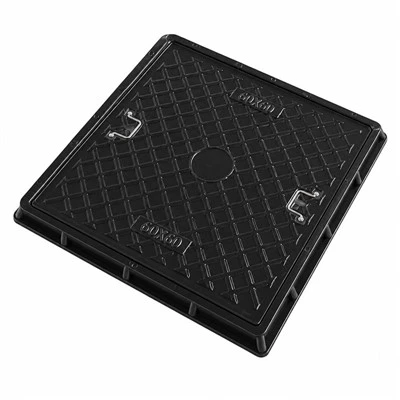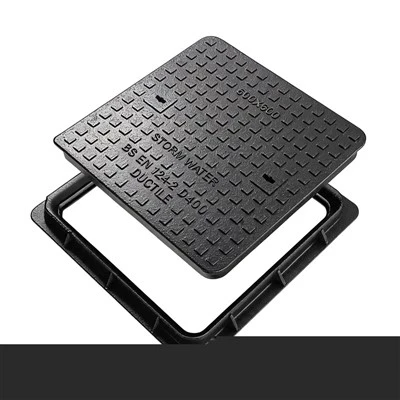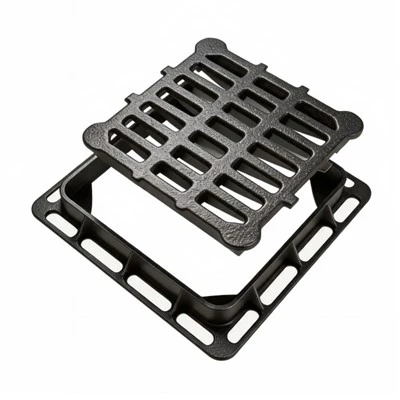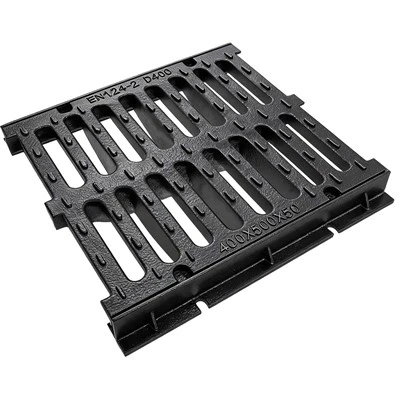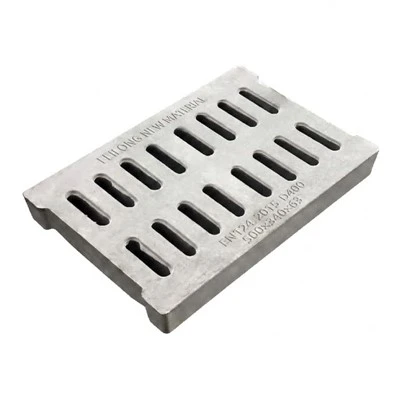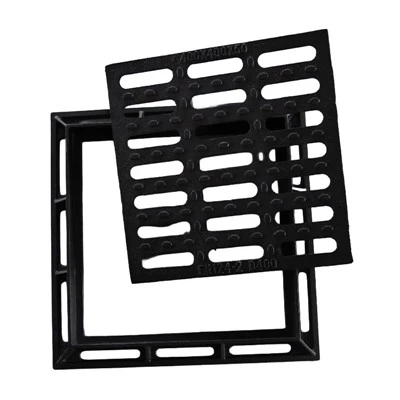

If you’ve ever walked across a wet parking lot, a factory floor, or even a residential driveway and didn’t slip because of a well-draining channel system, there’s a good chance ductile iron channel grating played a role. As someone who’s been in the ductile iron channel grating supplier game for over a decade, I’ve seen firsthand how often these workhorses get taken for granted—until they crack, bend, or stop draining. The worst part? Most damage isn’t from bad material, it’s from small, avoidable mistakes made during installation, use, and maintenance. Today I’m breaking down exactly how to keep your ductile iron channel grating in top shape for years, no fancy tools or hidden tricks required.
First, let’s get one thing straight: ductile iron isn’t your grandpa’s brittle cast iron. It’s way tougher—with graphite nodules that give it flexibility so it can handle heavy loads without snapping. But that doesn’t mean it’s unbreakable. The biggest culprit I see? Underestimating load capacity. So many projects cut corners here—they pick a grate with a lower load rating than they need, just to save a few bucks. For example, a standard pedestrian zone might only need a 5 kN rating, but if you stick a forklift zone with 20 kN loads under that same grate, it’s gonna bend. I always tell clients to check the design load first, then add a 20% buffer. When you shop for ductile iron channel grating online, make sure the product page (like this Ductile Iron Channel Grating link I keep handy) lists the load rating clearly—don’t guess based on price alone.
Next up: installation mess-ups that sneak in during the build phase. I’ve been to job sites where workers just plop the grating onto the channel without checking the frame, or leave gaps so small the grate can’t settle evenly. That uneven support puts stress on the grate over time. Another common one: not sealing the gaps between the grate and the channel properly. Water might seem harmless, but over time, debris and chemicals (think oil from a shop floor or road salt in winter) get stuck there, eating away at the edges or making the grate shift. Here’s a pro tip I learned the hard way: use a flexible, corrosion-resistant sealant made for outdoor use. And never force a grate into a too-small frame—even ductile iron can warp or crack if you hammer it into place. If you’re also looking for matching gully covers to pair, our Cast Iron Gully Covers line fits perfectly with our channel grates, so you get consistent load and fit across your whole drainage system.
Once the system is up and running, daily use is where most damage happens. Let’s start with vehicles. Heavy trucks, construction equipment, even delivery vans that regularly go over grates designed only for pedestrians will do a number. Ductile iron is strong, but it’s not indestructible—especially at the points where the grate touches the frame. Over repeated heavy loads, those contact points can fatigue and crack. Another thing I see? People dropping heavy objects on purpose, or accidentally letting metal tools, pallets, or even construction debris slide across the grate. That’s why I always recommend putting up temporary barriers around channel systems during construction, and posting clear signs about weight limits in high-traffic or industrial zones. If you need extra heavy-duty options, check out our Di Grating Cover line—they’re built to handle even the most intense industrial load requirements, and work seamlessly with our channel systems.
Chemical exposure is another big one that a lot of folks overlook. If your channel is in a factory, a gas station, or a road that gets salted in winter, the right chemicals can eat away at the grate’s protective coating over time. Even mild acids or bases can cause corrosion if they’re allowed to sit on the surface. The fix here is simple: regular cleaning. Wipe up spills right away, and use a mild, non-abrasive cleaner (no harsh chemicals that will scratch or strip the coating) to get rid of built-up gunk. For really harsh environments, we also sell grates with extra-thick epoxy or powder coatings that stand up to chemicals way better.
Now, maintenance—this is the part that most people skip until it’s too late. A little check-up every few months can catch small problems before they turn into big, expensive repairs. What do you need to do? First, clear out debris. Leaves, dirt, trash, and even small rocks can get stuck in the grate slots, blocking drainage and adding extra weight that the grate wasn’t designed to handle. I recommend using a small brush or a pressure washer on low setting—don’t use a high-pressure washer too close, because that can warp thin grate bars. Next, check for loose or wobbly grates. If a grate shifts when you walk or drive over it, that means the seal or frame is off. Tighten the bolts (if it’s a bolt-down system) or add a little more sealant to keep it secure. And every year or two, inspect for small cracks or bends along the grate edges. Cracks under a quarter inch can be fixed with a specialized ductile iron weld, but if they’re longer or wider, it’s cheaper to replace the grate early than wait until it breaks completely and causes damage to the surrounding area.
Wait, let’s talk about one more thing: the difference between ductile iron and other materials, because a lot of people mix them up. You might be tempted to go for a cheaper cast iron grate, but it’s way more brittle and prone to cracking under heavy loads. Or even steel grates, which rust way faster if the coating chips. Ductile iron is the sweet spot—stronger than steel in some ways, more flexible than brittle cast iron. If you need gully covers that match your channel grates, take a look at our two options: our Cast Iron Gully Cover (wait, no, let’s make that clear—wait, no, our Cast Iron Gully Covers come in ductile iron too, right? Yeah, that’s a better way to phrase it: all our gully covers, including Cast Iron Gully Cover models, are made from the same high-quality ductile iron as our channel grates, so you can have a consistent, durable drainage system from end to end. That way, you don’t have to worry about mismatched materials that fail at different rates.
Let me share a quick story that stuck with me. A few years back, a local auto repair shop called me panicking because their channel grating had cracked after only six months of use. When I showed up, I found out they’d ordered a pedestrian-rated grate for a area where they drove lift trucks every day—total rookie mistake. We swapped it out for a heavy-duty industrial ductile iron channel grate, showed them how to label the weight limit signs, and set up a maintenance schedule. Six years later, I still get messages from them saying the grates are holding up great. That’s the thing: most damage is preventable if you pay attention to the basics.


I know, it can feel overwhelming when you’re picking out drainage systems for a project—there’s so many specs and products. That’s why I make it my job to help clients cut through the noise. Whether you’re a contractor, a facility manager, or a homeowner working on a driveway, take the time to check load ratings during installation, seal gaps properly, clean debris regularly, and stick to a simple maintenance routine. If you’re not sure which ductile iron channel grating is right for your space, or need help pairing it with gully covers that fit, reach out. We can walk you through the options, make sure you get exactly what you need to avoid costly damage down the line.
At the end of the day, ductile iron channel grating is a long-term investment. You don’t want to replace it every few years because of avoidable mistakes. By getting the right load rating, installing it correctly, using it as intended, cleaning it regularly, and doing simple checks, you can make your grate last 15, 20, even 25 years. That’s way better than wasting money on repairs or replacements early.
References:
- Ductile Iron Society. (2021). Ductile Iron: Properties and Applications.
- American Society of Mechanical Engineers (ASME). (2019). Standard Practice for Load Capacity of Gully Gratings.
- National Association of Plumbing, Heating and Cooling Contractors (PHCC). (2022). Drainage System Maintenance Guidelines.
- International Code Council (ICC). (2020). Building Code Requirements for Storm Drainage Components.