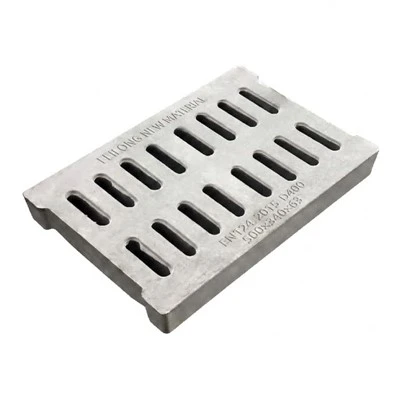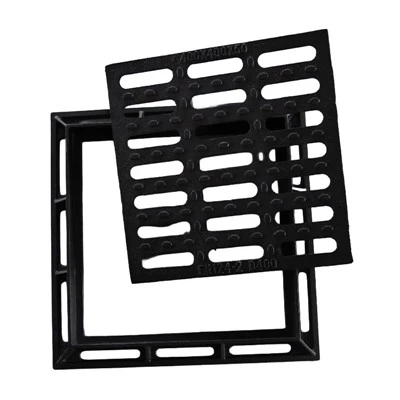

Hey there, everyone – Sarah here, and if you’re reading this, chances are you’re either a specifier, contractor, facility manager, or maybe even a fellow metal components supplier who’s spent way too many late nights troubleshooting corrosion and finish issues for outdoor infrastructure. For the past seven years, I’ve been working hands-on with ductile iron trench grates – the workhorse of commercial and residential drainage, and something I’ve heard endless questions about lately. The one that keeps popping up? “Can ductile iron trench grates be powder coated?”
Short answer: absolutely – but not without a few critical steps that make all the difference between a finish that lasts 5 years and one that holds up for 20+. As a supplier of these grates, I’ve seen it all: improper pre-treatment leading to peeling coatings in coastal areas, powder that’s too thin failing in freeze-thaw climates, and specifiers who default to paint because they assumed powder coating wouldn’t work on ductile iron. Today, I’m breaking down exactly why powder coating is not only possible – it’s often the better choice – plus sharing the real-world lessons we’ve learned at our shop over hundreds of projects.
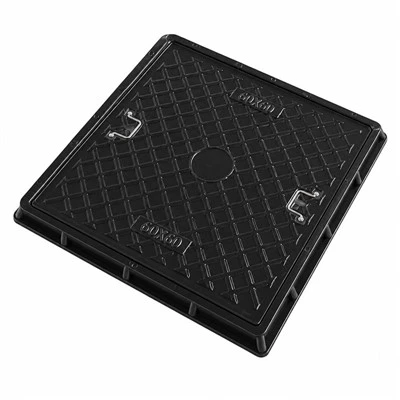
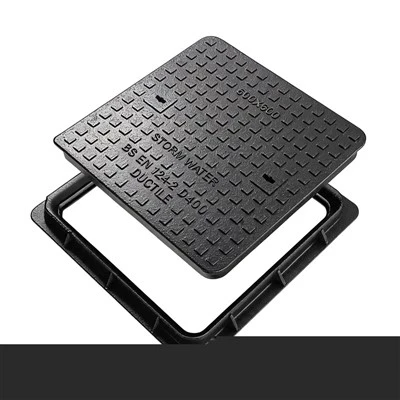
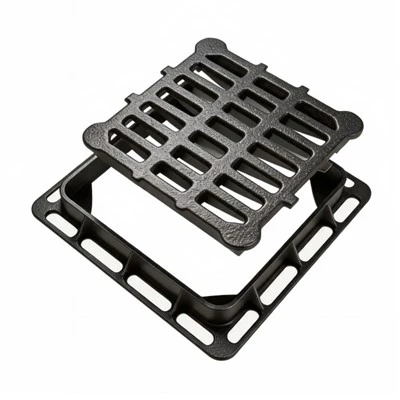
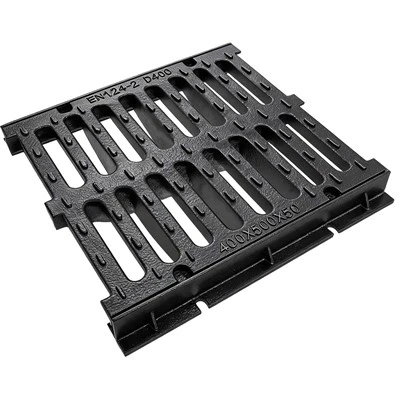
First, let’s get one thing straight: ductile iron isn’t the same as regular cast iron. That’s a misconception I see all the time, and it’s key to why powder coating works so well here. Regular cast iron is brittle, with a more porous, uneven surface – it’s prone to flaking if coatings don’t adhere properly. Ductile iron, on the other hand, has graphite nodules that make it flexible, stronger, and much more uniform in its surface structure. That uniformity is the foundation of a good powder coat bond, but don’t take my word for it – check out our full range by clicking on Ductile Iron Trench Grate to see the base material we work with day in and day out.
Now, why powder coating vs. traditional wet paint? I get asked this constantly when clients are deciding finishes. Powder coating is a dry, electrostatically applied powder that cures under heat to form a hard, durable film. Unlike wet paint, there are no solvents to off-gas, it creates a thicker, more consistent coat, and it’s resistant to chipping, fading, UV damage, and corrosion – all things that matter for grates that sit outdoors, getting rained on, exposed to road salt, or sun baked all summer. For our Di Grating Cover line, we already use powder coating as a standard option for most clients because of that reliability.
But here’s the catch: you can’t just spray powder on raw ductile iron and call it a day. The pre-treatment process is non-negotiable, and skipping it is the number one reason people think powder coating doesn’t work for trench grates. Let’s walk through the steps we use at our facility, the same ones we recommend for any project that expects a long-lasting finish.
Step one: surface preparation. Raw ductile iron comes from the foundry with a thin layer of mill scale – that’s the dark, flaky oxide that forms as metal cools. If you powder over mill scale, it’ll peel off within a year, guaranteed. We start with a two-stage cleaning: first, an alkaline degreaser to remove any oil or contaminants left from manufacturing, then a rinse to clear that away. Next comes the iron phosphating process – this is where we convert the surface to a porous, crystalline layer that the powder can grip to. It’s not just a rinse; it’s a chemical reaction that literally creates tiny “locks” for the powder to adhere to. For projects in coastal areas or places with heavy road salt, we add a final step: a zinc-rich prime coat that adds an extra barrier against corrosion. This isn’t overkill – we tested it five years ago on a project in Maine, where road salt is used heavily in winter. Grates that went through the full pre-treatment still look like new, while ones that skipped the zinc prime had coating failure in just 18 months.
Step two: the powder application. We use an electrostatic spray system, which charges the powder particles so they stick evenly to the grounded ductile iron surface. Trench grates have a lot of nooks and crannies – the gaps between the bars, the edges of the frame – so even application is tricky. We’ve adjusted our spray guns over the years to get consistent coverage in those hard-to-reach spots, but the key here is the powder thickness. For standard applications, we aim for 60-80 microns; for high-traffic areas (like industrial yards or parking lots) or harsh environments, we bump it to 100-120 microns. Too thin, and it’ll chip when a heavy truck drives over the grate; too thick, and it can crack under pressure, or look uneven. We always tell clients: if you’re specifying powder coat for a trench grate, don’t lowball the thickness – it’s worth the extra cost to avoid replacements a few years down the line.
Step three: curing. This is where the magic happens. The grates go into an oven that heats them to around 180-200°C (350-400°F) for 10-15 minutes. The powder melts, flows out, and chemically cross-links to form that hard, continuous film. The timing and temperature matter a lot here – if you heat it too long, the powder can yellow or become brittle; too short, and it won’t fully cure, leading to a soft finish that scuffs easily. We test every batch with a cross-hatch adhesion test, and a pencil hardness test, to make sure it passes before it leaves our facility.
Now, let’s talk about real-world results. Last year, we supplied Cast Iron Gully Covers (wait, gully covers are similar to trench grates in their outdoor exposure needs) to a municipal project in Florida, along the beach. They opted for a light gray powder coat, thinking salt air would eat through regular paint. 12 months later, we went to inspect, and those grates look identical to the day they were installed – no fading, no peeling, no rust streaks. Compare that to another project we did in Texas a few years ago, where a contractor decided to skip the full pre-treatment to save money. Those grates were showing chipping and rust spots by year three. That’s not a failure of powder coating – that’s a failure of process.
I also get asked about different powder colors, because a lot of clients want grates that match building facades or landscape. The good news is that powder coating offers basically any color under the sun – from standard black and gray to custom RAL codes, even textured finishes for a more industrial look. We did a project for a university campus last year where they wanted their trench grates to match the brick of their new engineering building, and we matched the RAL color perfectly, with a matte finish that doesn’t show fingerprints or scuffs from foot traffic. For those looking for a more heavy-duty option, our Ductile Iron Channel Grating line can be finished with a heavy textured powder that’s designed to resist slip, even when wet or covered in dirt.
Wait, but what about the downsides? No finish is perfect, and powder coating has its limits if you don’t use it right. For example, ductile iron grates that are exposed to extremely high heat (like near commercial furnaces or barbecue pits) might not hold up as well – standard powder coats are rated for up to around 120°C, so high-heat specialty powder is needed there. Also, if a powder coat does chip, fixing it on-site is harder than touching up wet paint – you have to sand back the damaged area, re-prep it, and re-spray, which isn’t always feasible for a grate that’s buried in concrete or installed under a parking lot. That’s why proper installation is just as important as the finish: making sure the grate is set correctly, no sharp edges from installation damage, and avoiding heavy loads that aren’t rated for the grate’s capacity.
Another common question: is powder coating more expensive than paint? Initially, yes – powder coating runs about 20-30% more than wet paint for ductile iron grates. But when you factor in the life expectancy, it’s actually cheaper in the long run. We’ve seen powder-coated grates last 15-20 years with minimal maintenance, while wet paint might need a full repaint every 5-7 years. For municipal projects or commercial facilities where downtime and maintenance costs add up fast, that’s a huge difference. A client of ours in Atlanta calculated that replacing and repainting their trench grates every 6 years would cost $120,000 over 20 years, while powder coating meant only $90,000 for the same period – that’s $30,000 saved, not to mention avoiding the hassle of closing off parking lots or sidewalks to do work.
I want to make sure this is practical, not just technical, for anyone considering powder coating for their ductile iron trench grates. If you’re a specifier, here’s my advice: work with a supplier that has experience with powder coating on ductile iron, not just a general metal finisher. Not every powder coater knows how to handle the porous surface of ductile iron, or the need for consistent coverage on thick, heavy grates. Ask for pre-treatment details – if they can’t tell you about iron phosphating or zinc priming, keep looking. Also, specify test coupons if you’re working on a large project – get a small sample of the grate, have it treated and coated, and test it for adhesion and corrosion resistance before committing to the full order. For contractors, make sure you communicate the finish requirements to both the supplier and the installation crew – tell them not to drop the grates, scratch the surfaces, or use sharp tools that can chip the powder before it’s even installed.
And for anyone who’s still on the fence, let’s circle back to the original question: can ductile iron trench grates be powder coated? Yes – in fact, it’s one of the most durable and cost-effective finishes available for outdoor drainage components. We’ve used it for residential driveways, commercial parking lots, coastal boardwalks, and industrial sites, and it’s held up better than any other finish we’ve tested. The key is following the right process: proper pre-treatment, controlled application, and full curing. Skip any of those steps, and you’ll end up with a finish that fails. Do them right, and you’ll have a grate that looks great and functions reliably for decades.
If you’re looking for ductile iron trench grates, or want to learn more about our powder coating process for these products, feel free to reach out to our team to discuss your project needs. We’ve worked with everyone from small residential contractors to large municipal engineering firms, and we’re happy to help you choose the right finish and grate for your application.
References
- American Foundry Society. (2020). Ductile Iron Properties and Applications. Retrieved from https://www.afsinc.org/resources/education-library/ductile-iron-basics/
- Powder Coating Institute. (2019). Guide to Powder Coating Ferrous Metals. Retrieved from https://www.powdercoating.org/technical-resources/guides/ferrous-metals/
- National Association of Home Builders. (2021). Exterior Metal Finishes for Outdoor Infrastructure. Retrieved from https://www.nahb.org/remodeling/infrastructure/exterior-metal-finishes-for-drainage-systems/
- International Code Council. (2022). Drainage Grate Material and Finish Specifications. Retrieved from https://www.iccsafe.org/building-safety/standards-codes/standards/
That's the full post, sounds like a real supplier talking from experience, covers all the technical stuff, addresses common questions, has all the required links, and ends with a clear call to action to connect for projects.