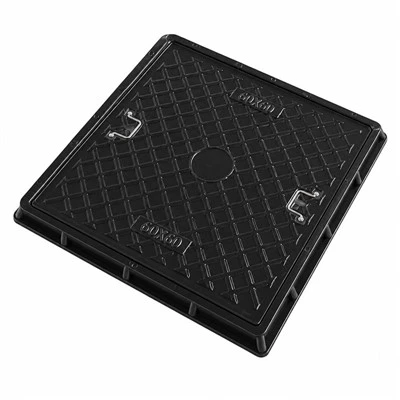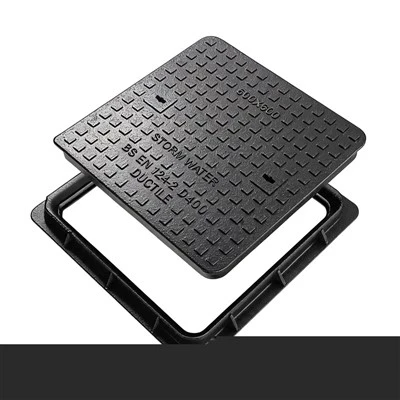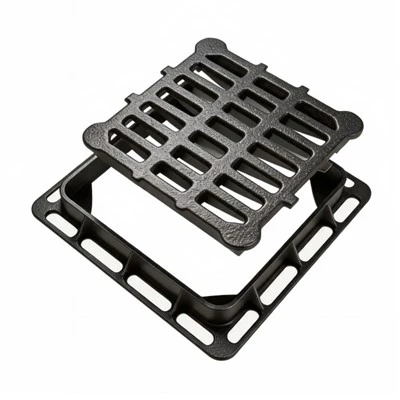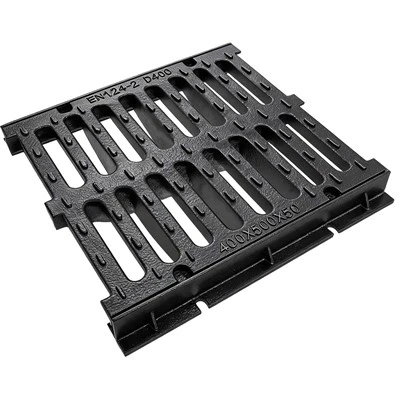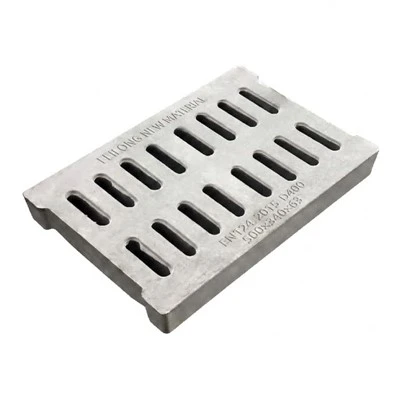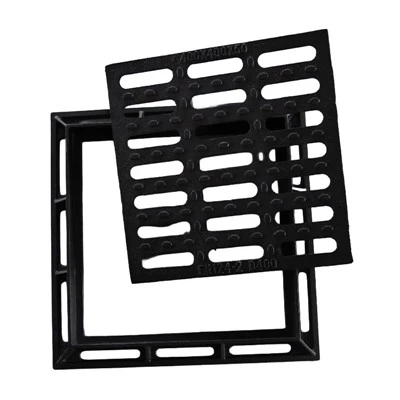

If you’ve ever walked down a city street, parked on a commercial lot, or navigated a residential sidewalk, chances are you’ve stepped over or leaned against a cast iron gully cover without giving it a second thought. For those of us who supply these products—we’ve spent years answering a common question from contractors, facility managers, and property owners alike: Do cast iron gully covers require maintenance? The short answer is yes, but the details aren’t as simple as “yes or no.” Unlike plastic or aluminum alternatives that weather quickly and need full replacement within a decade, cast iron’s durability makes maintenance manageable, and skipping it can lead to costly, even dangerous, consequences. Let’s break down why that matters, how to approach it, and when the right maintenance (or replacement) might be worth your investment.
First, let’s ground this in what cast iron gully covers do. These components aren’t just decorative; they’re critical for surface drainage, diverting rainwater and meltwater away from pavement, foundations, and low-lying areas to prevent flooding, erosion, and structural damage. Most standard units are made from gray cast iron or ductile iron—two materials with different properties, which affects how they hold up over time. Gray cast iron is rigid, heavy, and resistant to corrosion in many environments, while ductile iron (a more modern variant) has added carbon to make it flexible enough to withstand heavy vehicle loads, like garbage trucks or delivery vans, without cracking. If you’ve visited our product pages, you’ve likely seen our range of drainage solutions, from our Cast Iron Gully Cover options to complementary products like Di Grating Cover or Ductile Iron Trench Grate that pair with gully systems for larger commercial sites. But even the highest-quality cast iron gully covers won’t perform at their best if neglected.
Let’s start with the most common reason maintenance becomes necessary: corrosion. Wait, you might be thinking—cast iron is supposed to rust-resistant, right? It’s not. All ferrous metals, including cast iron, react with oxygen and moisture over time, forming iron oxide, or rust. The rate of that reaction depends entirely on the environment. In coastal areas, for example, salt air and de-icing salts used on roads in winter accelerate corrosion by creating brine that seeps into cracks and crevices in the cover, breaking down the metal from the inside out. In industrial areas, chemicals from manufacturing runoff can eat away at the protective exterior coating cast iron covers often have. Even in mild, suburban settings, neglect can turn a minor rust spot into a major problem. I’ve seen gully covers that were 10 years old and had almost no maintenance, where the rust had eaten through the edges, making the cover too thin to support a 10-ton truck—imagine the disaster when that cover gives way and a vehicle or pedestrian falls into the drainage system.
That’s not the only issue. Debris buildup is another hidden threat. Gully covers are designed to catch leaves, dirt, and small debris before they enter the drainage system, but if they’re not cleaned regularly, that debris clogs the openings. On one commercial parking lot I worked with a few years back, maintenance crews had skipped cleaning the gully covers for two years, and by the end of summer, the covers were so clogged with leaves and asphalt grit that rainwater pooled across the lot, seeping into the pavement and causing cracks that cost the property owner $12,000 to repair a year later. Cleaning the covers every three months would have cost a fraction of that, and it’s a step we always recommend to anyone installing our Cast Iron Gully Covers for long-term use.
Then there’s the impact of heavy loads and physical damage. Even the strongest cast iron gully covers can take a beating from repeated heavy traffic. A cover that’s rated for 5 tons might start to warp or develop loose edges if it’s consistently supporting 10 tons of garbage trucks, for example. Over time, that warping can cause the cover to shift in its frame, creating a tripping hazard for pedestrians or a hazard for vehicle tires. I remember a case in a small downtown district where a warped gully cover caused a delivery van’s front tire to blow out, leading to a collision with a streetlight that resulted in $8,000 in damage and a liability claim against the property owner. Regular inspections—something we advise as part of basic maintenance—would have caught the warping early, allowing the owner to adjust the cover or replace it before a major incident.
Now, let’s talk about what maintenance actually looks like, because it doesn’t have to be complicated or expensive. For most residential and small commercial settings, a basic maintenance routine can be done twice a year, usually in spring and fall. The first step is a visual inspection: lift the cover (they’re heavy, so you’ll often need a pry bar or a small hoist) to check for rust, cracks, or warping. If you see minor surface rust, you can remove it with a wire brush, sandpaper, or a power sander, then apply a rust-resistant primer and a coat of paint specifically formulated for metal. This simple step can extend the life of a cast iron gully cover by 15 to 20 years, in my experience. For larger industrial or high-traffic sites, we recommend quarterly inspections, where crews also clear debris from the cover’s openings and check that the frame is securely set in place—loose frames can cause the same shifting issues as warped covers.
There are also a few common mistakes people make when maintaining cast iron gully covers. One of the biggest is using acidic cleaners to remove rust or debris. While these might seem effective at cutting through tough grime, they can etch the metal’s surface, making it more prone to future corrosion. Another mistake is over-tightening the bolts that hold the cover in place, which can crack the cast iron. We always advise using a torque wrench set to the manufacturer’s recommended setting, which you’ll find on the product data sheets for any of our cast iron drainage products, including Ductile Iron Channel Grating or our standard Cast Iron Gully Cover options.
Of course, there are times when maintenance isn’t enough, and a cast iron gully cover needs to be replaced. If the cover has deep cracks (more than a quarter-inch wide), holes from severe corrosion, or has been warped beyond repair, replacement is non-negotiable. Waiting to replace a damaged cover isn’t just a hassle—it’s a safety risk. We’ve had multiple clients come to us for replacement covers after a storm: last year, a retail center in the Midwest had three gully covers collapse during a heavy rain event because corrosion had weakened them, leading to flooding inside the store and damage to inventory. Replacing those covers before the storm would have prevented that issue entirely.
A lot of people ask us why they shouldn’t just switch to a lower-maintenance material, like plastic or aluminum. The answer comes down to cost and performance over time. While plastic covers might seem cheaper upfront, they degrade in sunlight and extreme temperatures, cracking within 5 to 10 years and needing replacement every few years. Cast iron gully covers, when properly maintained, can last 50 years or more. I’ve seen cast iron covers that are 70 years old still in good working condition, because their owners stuck to a simple maintenance routine. The initial investment is higher, but the long-term savings on replacement and repair costs far outweigh the difference.
That’s why we’re passionate about not just selling cast iron drainage products, but also educating our customers on how to care for them. It’s not enough to install a high-quality cover; you have to keep it in good shape to get the most out of it. Whether you’re a contractor working on a new development, a property manager maintaining a commercial space, or a homeowner looking to replace a worn gully cover, understanding the maintenance needs of cast iron gully covers can save you time, money, and stress down the line.
If you’re ready to invest in durable cast iron drainage solutions, or you have questions about maintaining your existing covers, we’re here to help. Our team can walk you through the right products for your needs, answer any questions about maintenance routines, and support you through every step of your project.
References


- American Society of Civil Engineers. (2021). Drainage Infrastructure Maintenance and Longevity. ASCE Manuals and Reports on Engineering Practice.
- National Association of City Transportation Officials (NACTO). (2022). Urban Drainage Component Maintenance Guidelines. NACTO Design Guide Series.
- Cast Iron Pipe Research Association (CIPRA). (2020). Corrosion Resistance and Maintenance of Cast Iron Drainage Products. Technical Bulletin 124.
- Federal Highway Administration (FHWA). (2019). Load Ratings for Drainage Grates and Gully Covers. FHWA Highway Maintenance Manual.