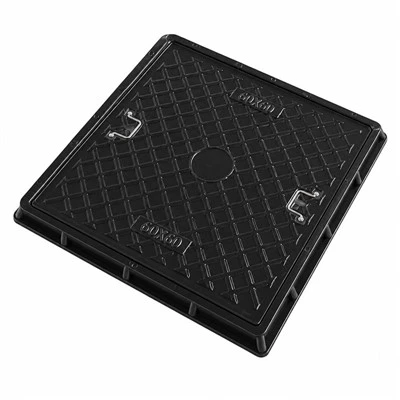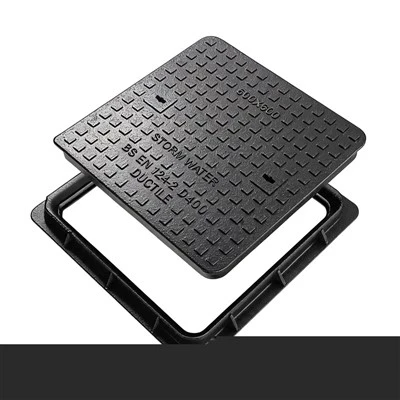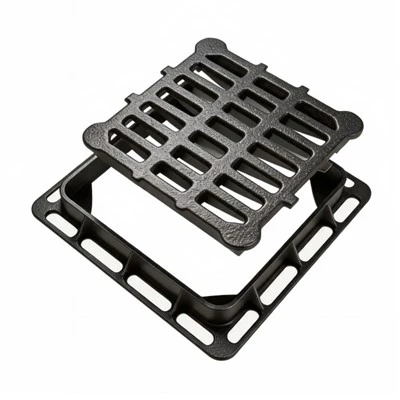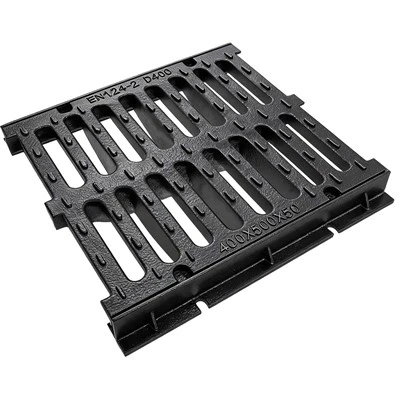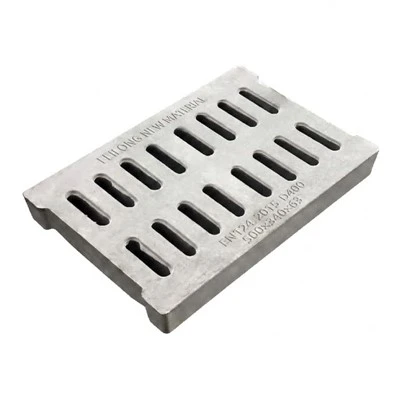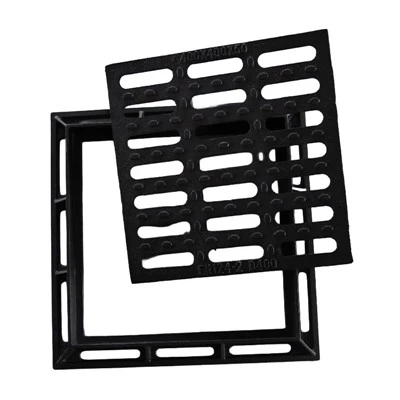

If you’ve ever stepped around a rusted, wobbly metal cover on a city sidewalk, a warehouse loading dock, or a construction site, you’ve likely encountered a heavy duty cast iron gully cover. As a supplier of these critical components, one of the most common questions I get from contractors, facility managers, and municipal procurement teams is straightforward: what’s the actual price range for a heavy duty cast iron gully cover? The short answer is that it varies widely based on size, load capacity, material grade, and even finish, but the long answer—one that ties into real-world use cases, industry standards, and the difference between “cheap” and “worth every penny”—is what matters most when you’re making a purchase that will hold up for decades.
First, let’s ground this in what a heavy duty cast iron gully cover is, because not all cast iron is created equal. Gully covers are designed to protect underground drainage systems, catch sediment and debris, and support foot traffic, vehicle loads, and even heavy machinery in some settings. Heavy duty models aren’t the flimsy, thin covers you might see on residential side streets—they’re built for high-traffic areas, which means they need to meet strict load ratings set by organizations like the European Committee for Standardization (EN) or the American Society for Testing and Materials (ASTM). That load rating is one of the biggest drivers of price, because a cover rated to hold a 40-ton truck isn’t the same as one rated for pedestrian-only traffic.
Now, let’s break down the price range, starting with the lower end. For small, light-duty gully covers (usually under 12 inches in diameter, rated for pedestrian traffic only, EN 124 A15 or B125), you can expect to pay between $25 and $75 per unit. These are the basic, standard covers used in quiet residential neighborhoods, small park paths, and light commercial areas with minimal vehicle traffic. But here’s the catch: if you try to install a light-duty cover in a loading dock or a busy urban street, it will crack, bend, or break within months—costing you far more in replacement, labor, and potential safety incidents than the upfront savings would have been worth. I’ve seen this happen more times than I can count; a construction manager once bought 50 cheap light-duty covers for a warehouse yard, only to have them all collapse under forklift traffic in six weeks, and ended up paying twice as much for heavy duty replacements plus overtime for crew members to dig them out and install new ones.
Moving into the mid-range of heavy duty cast iron gully covers, this is where most commercial and municipal projects fall. Mid-range units are typically between 12 and 24 inches in diameter, rated for medium to heavy vehicle traffic, like parking lots, retail storefronts, and city side streets. These meet EN 124 C250 or D400 load ratings, which support loads up to 25 and 40 tons respectively. For these, prices generally range from $80 to $250 per unit, depending on thickness, grade of cast iron (grey cast iron vs. ductile iron, though we specialize in cast iron that’s been tested for durability), and any custom features like lifting holes for easy maintenance or anti-slip surfaces to prevent falls in wet conditions. Wait, it’s worth noting here that some people confuse cast iron gully covers with ductile iron products, but while ductile iron is strong, our cast iron gully covers are engineered for specific drainage applications. If you’re looking for trench grates for linear drainage systems, for example, our ductile iron trench grates are a separate product line, but for standalone gullies, our cast iron models are tailored to hold up to outdoor elements.
Now, the top end of the range: heavy duty cast iron gully covers for the most demanding applications. These are large—usually 24 inches or more in diameter, some even custom-sized for large drainage structures—and rated for industrial traffic, like construction sites, airport tarmacs, port facilities, and highway medians. These meet EN 124 E600 or F900 load ratings, supporting loads up to 60 and 90 tons. For these, prices start around $260 and can go up to $600 or more per unit, depending on size, custom fabrication, and surface treatment. We’ve supplied these for projects like new airport runways, where a cover failure would cause major delays, so precision and durability are non-negotiable.


But price isn’t the only factor to consider when evaluating these covers. There’s also the difference between cast iron and other materials, which can shift the effective cost over time. For example, plastic or aluminum covers might have a lower upfront cost—sometimes $10 to $20 less per unit—but they degrade quickly when exposed to UV light, extreme temperatures, or heavy loads. I recently worked with a municipal team that tested plastic covers for a downtown construction zone; within a year, most were cracked, discolored, and had to be replaced, resulting in a total cost that was 3 times higher than if they’d bought heavy duty cast iron covers in the first place. Cast iron, on the other hand, is naturally corrosion-resistant when properly finished, and can last 50 years or more with minimal maintenance. That’s a lifecycle cost that’s hard to beat.
Another factor that affects price is finish and additional features. Our standard cast iron gully covers come with a black oxide coating that protects against rust and extends their lifespan, but we also offer galvanized finishes for coastal areas where salt air is a concern, and anti-slip coatings for areas where safety is a top priority, like hospital campuses or school playgrounds. These custom finishes add a small percentage to the upfront cost—usually 5% to 15%—but they prevent premature wear and reduce long-term maintenance. Lifting rings or integrated locks are another add-on; locks can prevent theft of covers, which is a common problem in some industrial areas, and that feature might add $10 to $30 per unit, but it eliminates the cost of replacing stolen covers.
It’s also important to mention the difference between cast iron gully covers and similar products in the metal drainage space. For example, our ductile iron channel grates are designed for linear drainage channels, not standalone gully applications, and our di grating covers are another product line for different use cases. If you’re working on a project that requires linear drainage, our ductile iron trench grates might be a better fit, but for a standard round or square gully, our cast iron gully covers are engineered specifically for that purpose. The price range for these related products is different too—ductile iron trench grates, for example, range from $40 to $150 per linear foot, depending on load rating, so it’s important to match the product to your application to avoid overpaying for features you don’t need.
Now, let’s talk about what goes into that price, beyond the raw material. Cast iron gully covers are manufactured using precision casting processes, which require skilled labor and quality control. Every cover is tested for load capacity before it leaves our facility, which means there’s no guesswork about whether it will hold up. The cost of that testing, along with material costs and overhead, is built into the price, which is why you can’t get a heavy duty cast iron gully cover for under $20—any price that seems too good to be true usually means it’s made from thin, low-grade cast iron that will fail quickly. For context, the price of raw cast iron has fluctuated over the past few years, just like any metal, so we adjust our pricing accordingly, but we always balance that with fair value for our customers.
I’ve had customers ask why we don’t offer cheaper, untested covers, and the answer is simple: our reputation is built on products that work. When a utility company installs our cast iron gully covers, they know they won’t have to replace them for decades, and that’s the peace of mind they’re paying for. For small businesses installing covers in their parking lots, the peace of mind is that they won’t face liability if a cover breaks and causes an accident. For construction teams, it’s the fact that they can stay on schedule without delays from broken components.
So, to circle back to the original question: what’s the price range for a heavy duty cast iron gully cover? To summarize, the range is roughly $25 for light-duty pedestrian models up to $600 for heavy-duty industrial models, with most commercial and municipal projects falling between $80 and $250 per unit. But remember, that’s just the upfront cost—you have to factor in lifecycle cost, load capacity, and features that match your specific application. The cheapest cover isn’t always the best value, and the most expensive isn’t always necessary. The key is to work with a supplier who can help you match the right cover to your project’s needs.
If you’re working on a project right now and have questions about sizing, load ratings, or pricing, I’d be happy to discuss your requirements. Whether you need a small batch for a residential development or hundreds of units for a highway project, we can provide the right heavy duty cast iron gully covers to meet your needs. You can browse our full range of cast iron gully covers here, or explore our other drainage products like ductile iron trench grates, di grating covers, and ductile iron channel grates for additional project needs. Don’t hesitate to reach out to talk through your project details and get a customized quote that fits your budget.
References
European Committee for Standardization. (2015). EN 124: Gully covers for access to underground installations - Requirements, classification, and testing.
American Society for Testing and Materials. (2020). ASTM A48: Standard Specification for Gray Iron Castings.
National Association of City Transportation Officials. (2022). Urban Street Design Guide: Drainage Components and Specifications.