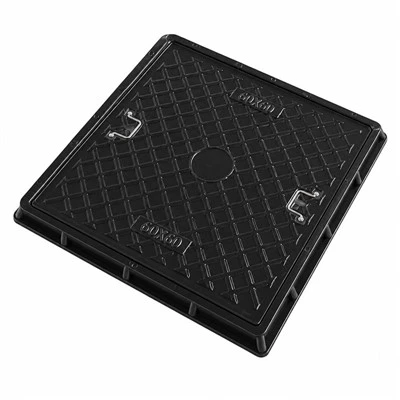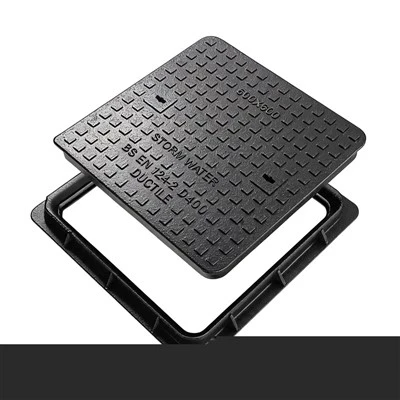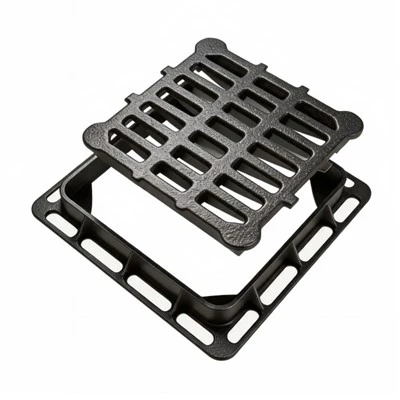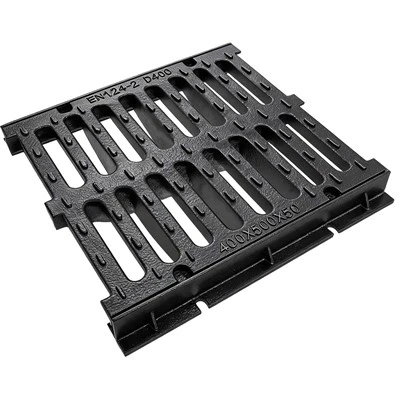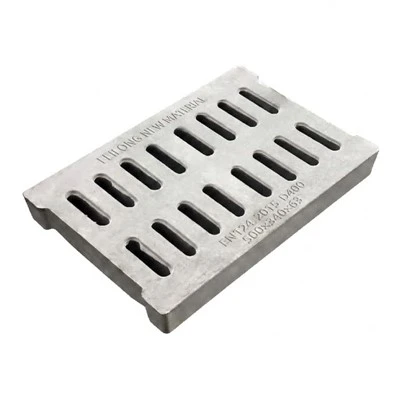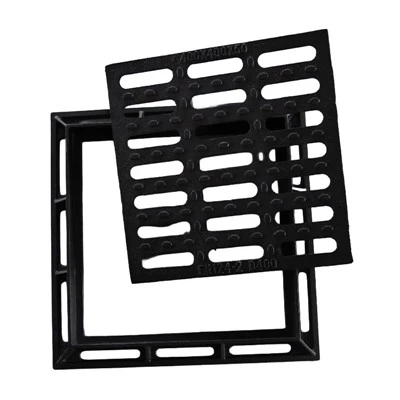

If you’re in the municipal or construction game, you know D400 ductile iron covers are the unsung heroes of our streets—tough enough to handle 40 tons of load, whether that’s a garbage truck, semi, or regular commuter car. But even the best can get banged up: a sharp truck tire slams into it, a construction crew drops a heavy tool on it, or years of freeze-thaw cycles crack it. Last month, I got a call from a city works supervisor who had a D400 cover split down the middle on a busy downtown road, panicking because he thought he’d have to yank the whole thing and order a new one immediately. Turns out, with the right steps, you can often repair a damaged D400 cover without a full replacement—saving time, money, and keeping traffic moving. As someone who’s been supplying Ductile Iron Covers and Frame (/ductile-iron-manhole-cover/ductile-iron-manhole-cover/ductile-iron-cover-and-frame.html) for over a decade, I’ve seen my fair share of fixes and mess-ups, so let’s break this down like we’re troubleshooting over a coffee.
First off, let’s get one thing straight: not all damage is repairable. If your D400 cover has a full break across the load-bearing ribs, a chunk missing big enough to let a wheel sink through, or severe rust that’s eaten through more than 20% of the material, it’s time to cut bait and order a replacement. But small cracks (under 2 inches), surface scratches, or minor bends that don’t throw off the fit with the frame? Those are fair game. Let’s start with prepping the site—you can’t fix a messy cover. Shut down the area, block off traffic, and give the cover time to cool if it’s been sitting in the sun (metal gets super hot, no bueno for working with). Use a wire wheel on an angle grinder to strip all the rust, dirt, and old paint from the damaged area and an inch or so around it. Skip the sandblaster if you can—too much pressure can etch the ductile iron too deep, weakening it more. Once it’s bare metal, wipe it down with acetone to get rid of any leftover grime; this is key for the repair material to stick, I’ve learned that the hard way after a repair that popped loose because I skipped this step.
For small cracks, the go-to fix is epoxy designed for heavy-duty metal—specifically one rated for high load capacities and temperatures, since these covers sit outside in all weather. Pick a two-part epoxy that’s formulated for ductile iron, not just regular steel. Mix it according to the package (measure accurately, don’t eyeball it!) and apply it to the crack, smoothing it in so it fills every gap. Then, take a strip of fiberglass mesh (or even a piece of thin ductile iron plate cut to size) and press it into the wet epoxy, making sure it goes an inch past the crack on both sides. Add another layer of epoxy over the mesh, feathering the edges so it blends into the rest of the cover. Let it cure fully—don’t rush it. Most epoxies say 24 hours, but if it’s cold outside, add another 12 hours; I’ve seen guys cut corners here and have the patch crack the first time a semi drives over it.
If the damage is a minor bend—like the cover got pushed down a little in the frame, or one edge is tilted—you don’t need epoxy. You can straighten it with a hydraulic jack, the same kind construction crews use for lifting heavy materials. First, set the jack on a solid base (like a steel beam or a thick concrete block) so it doesn’t slip and cause an accident. Place the jack pad under the bent part of the cover and slowly apply pressure, checking every few seconds to make sure you’re not overdoing it. Stop just when the cover is flat; if you bend it too far, you’ll cause a crack that’s way worse than the original bend. Once it’s straight, tap the edges lightly with a rubber mallet to seat it back into the frame, then close and open it a few times to make sure it moves smoothly without sticking. If it still doesn’t fit right, a little grind on the high spots with the angle grinder will fix that.
Wait, but what if you don’t have epoxy or a jack? For tiny cracks that don’t affect load capacity, some guys use weld repair—though I only recommend this if you’ve got a certified welder on hand, because ductile iron welds can be tricky. The problem is ductile iron has high silicon content, which makes it prone to cracking when heated. If you’re going to weld, preheat the damaged area to around 600 degrees Fahrenheit (use a torch, not the welder) to reduce thermal stress, then use a low-hydrogen nickel alloy welding rod, which is designed for ductile iron. Weld the crack in small, quick passes, letting the metal cool slightly between each one so it doesn’t warp. After welding, grind the weld down smooth, and then paint the whole patch with a rust-resistant paint to protect it from the elements. But here’s the catch: weld repair is only for non-load-bearing areas, right? No, actually, if done correctly, it can hold up to D400 loads, but it’s a more advanced technique. If you’re not comfortable welding, stick with epoxy—way simpler and less likely to go wrong for someone who doesn’t do it daily.
Now, let’s talk about avoiding damage in the first place, because the best repair is no repair. When you order your covers, make sure you’re getting the right type for your needs. For example, if you need a cover that doesn’t rattle when heavy vehicles go over it, a Self Leveling Ductile Iron Manhole Cover (/ductile-iron-manhole-cover/self-leveling-ductile-iron-manhole-cover.html) is built with a flexible gasket that absorbs impact, so it’s less likely to crack from vibration. For municipal use, go with Municipal Ductile Iron Manhole Cover (/ductile-iron-manhole-cover/municipal-ductile-iron-manhole-cover.html) — these are tested to meet strict load standards, so they’re less prone to damage in high-traffic areas. If you’re replacing an old cover, consider a Round Ductile Iron Manhole Cover (/ductile-iron-manhole-cover/round-ductile-iron-manhole-cover.html) — round covers can’t fall through their frames, which means less chance of them getting hit and damaged. Or if you need something for a smaller utility, a Square Cast Iron Manhole Cover (/ductile-iron-manhole-cover/square-cast-iron-manhole-cover.html) is a solid pick too. I always tell customers that matching the cover to the traffic load is half the battle—don’t use a light-duty cover on a main road, that’s a recipe for damage.
Another tip: when construction crews are working around manholes, make sure they’re placing barriers to keep heavy equipment from driving over the covers. I’ve seen so many covers cracked because a backhoe operator misjudged the distance. Also, regular inspections—every 6 months, give all your D400 covers a once-over. Catching a tiny crack before it turns into a full break is way easier than fixing a big mess. I had a customer last year who found a 1/4 inch crack on a cover that he thought was nothing; we repaired it with epoxy for $50, and 3 months later, a truck hit a pothole nearby, and if that crack had been a full break, the whole cover would have shattered. Saved him thousands in replacement and traffic delays.
Wait, let’s talk about when to throw in the towel. I can’t stress this enough: if the cover has a gap big enough to fit your finger through, or the rust has eaten through the load ribs, don’t repair it. It’s not worth the risk of a vehicle crashing into a missing cover, which could cause serious injury. Last year, a small town tried to repair a D400 cover that had a 6-inch chunk missing, using epoxy that they bought at the local hardware store. A week later, a car drove over it, the patch popped off, and the front wheel went into the manhole. The driver was lucky, but the town got hit with a lawsuit. So always err on the side of safety. If you’re unsure whether your damage is repairable, send a photo to your supplier—we do free assessments for our customers, no strings attached.


At the end of the day, repairing a damaged D400 ductile iron cover is doable if you have the right info and the right materials. It’s a great way to save time and money, but it’s not a long-term fix for major damage. When the time comes to replace, make sure you’re getting a high-quality Ductile Iron Cover and Frame (/ductile-iron-manhole-cover/ductile-iron-manhole-cover/ductile-iron-cover-and-frame.html) that’s made to last. As someone who’s been in this business for years, I’ve seen cheap covers crack in months, while high-quality ones hold up for decades. So don’t cut corners on replacements, either.
If you’ve got a damaged D400 cover that you’re not sure what to do with, or you need to order new ones for your project, hit us up to chat. We’ve helped hundreds of cities and construction crews pick the right covers for their needs, and we can walk you through any repairs if you want to try it yourself. No pressure, just good advice from someone who’s been there and done that.
References
- American Foundry Society. (2021). Ductile Iron Properties and Applications for Infrastructure. Retrieved from industry technical manuals for municipal construction.
- National Association of City Transportation Officials (NACTO). (2020). Manual for Manhole Cover and Accessory Installation and Maintenance. U.S. Department of Transportation.
- Professional Construction Safety Association. (2022). Guidelines for Repair and Replacement of Heavy-Duty Manhole Covers. Workplace safety protocols for road construction projects.
- Ductile Iron Society. (2019). Welding and Repair Techniques for Ductile Iron Infrastructure Components. Technical Bulletin #12.