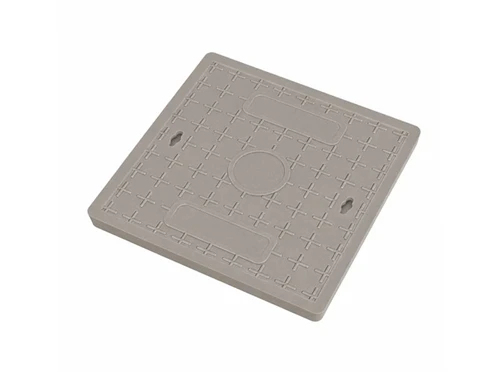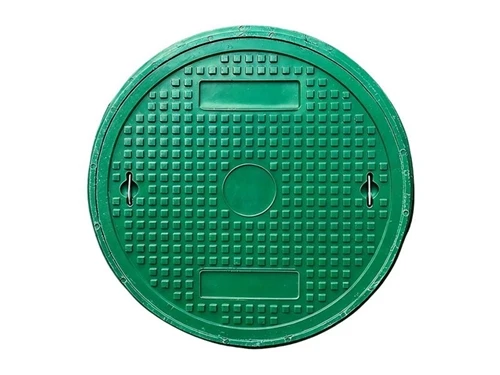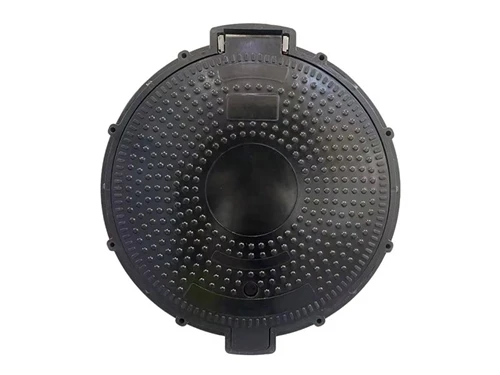
The technical specifications for composite resin drainage grates primarily cover dimensions, material composition, load-bearing ratings, and structural design. Product dimensions are typically determined by the actual size of the drainage channel, inspection manhole, or installation recess; standard specifications can be selected or customized to meet project requirements. The length, width, and thickness of the grate must be properly balanced to ensure installation stability while meeting on-site drainage needs.
Composite resin drainage grates are primarily manufactured using resin-based materials combined with reinforcements; specific formulations are adjusted based on the intended application and performance requirements. Compared to conventional metal materials, composite resins are lighter and corrosion-resistant, making them suitable for long-term use in outdoor drainage environments. However, material ratios and manufacturing processes vary among manufacturers, leading to potential differences in actual product performance, such as strength and weather resistance.
Load-bearing rating is a critical parameter when selecting composite resin drainage grates. Different installation areas are subject to varying loads; requirements differ significantly between pedestrian walkways, landscaped areas, and roadways used by motor vehicles. Selection during the design and procurement phases should be based on actual traffic conditions, while also considering grate thickness, rib reinforcement structures, and frame support; load-bearing capacity cannot be judged solely by the material type.
In addition to dimensions, materials, and load-bearing ratings, technical specifications also include drainage aperture shapes, porosity, surface texture, opening mechanisms, and fastening methods. Drainage apertures must ensure efficient water flow while minimizing the entry of large debris into the pipeline, and surface designs can incorporate anti-slip features suited to the operating environment. Specific parameters should be verified against product drawings, technical data sheets, and test reports, with selections made in the context of the actual installation environment.