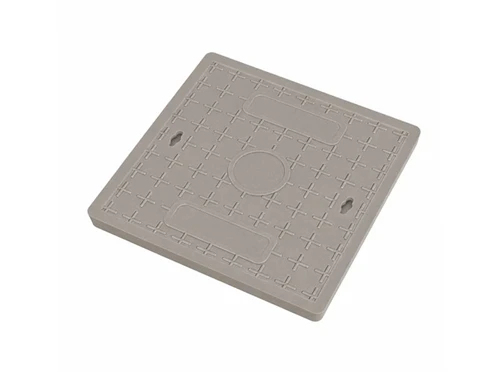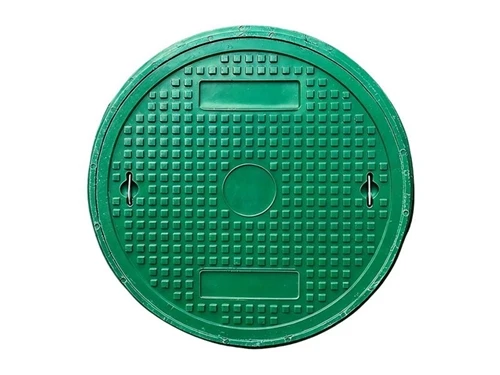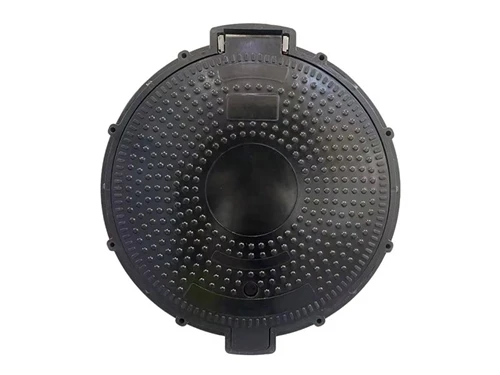
The specifications for composite resin manhole covers are primarily determined by the manhole opening dimensions, installation location, and specific usage requirements; common shapes include round, square, and rectangular. Round covers are frequently used for municipal roads and drainage inspection chambers, whereas square and rectangular versions are better suited for utility vaults (such as those for power or telecommunications) and inspection chambers with non-standard dimensions. When selecting specifications, one must consider not only the cover's external dimensions but also the frame dimensions, opening size, and installation depth. This ensures a stable fit with the frame upon installation and prevents issues such as loosening, wobbling, or unevenness relative to the surrounding ground surface.
In addition to basic dimensions like length, width, and diameter, the thickness of the cover is a critical specification. Composite resin covers are designed with varying thicknesses and internal structures based on load-bearing requirements; larger covers are subject to different external loads, necessitating optimized material composition and reinforcement rib layouts to ensure overall structural integrity. Products intended for residential green belts or pedestrian walkways differ in structural and load-bearing requirements from those installed in parking lots, industrial facility roads, or roadways for motor vehicles. In areas with vehicular traffic, verifying the load-bearing class is paramount; suitability cannot be determined solely by the cover's thickness or appearance.
Specifications may also encompass requirements regarding opening mechanisms, surface textures, colors, and markings. For instance, some covers feature anti-slip patterns to enhance stability during wet weather, while others used in municipal or residential projects incorporate surface labels-such as "Water Supply," "Drainage," "Power," or "Telecom"-to facilitate future management and maintenance. If standard specifications do not meet on-site installation conditions, dimensions and structural features can be customized based on engineering drawings. As material formulations and manufacturing processes vary among manufacturers, specific product dimensions, thicknesses, and load-bearing capacities will differ; therefore, procurement decisions should be based on a combination of on-site measurements, product drawings, and testing data.