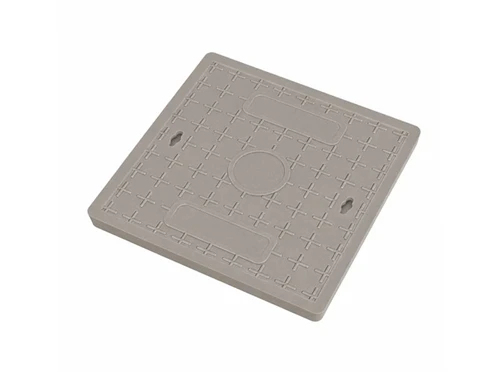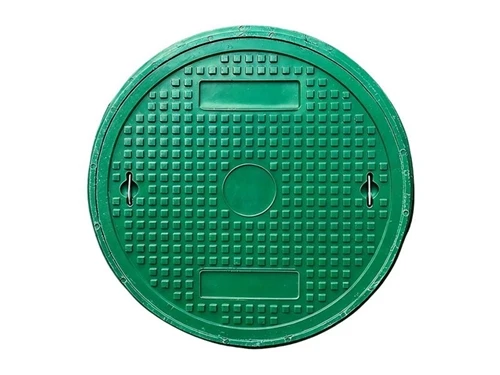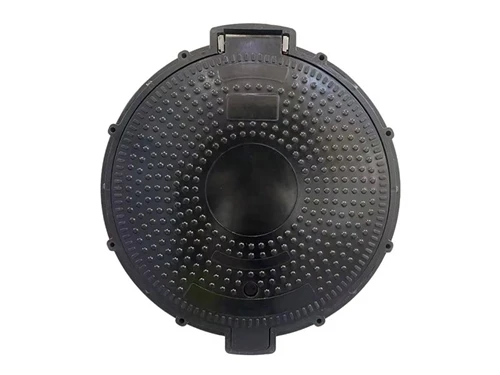
Composite resin manhole covers are products manufactured from resin-based composite materials, primarily used to cover underground facilities such as inspection chambers, drainage pits, and utility vaults for electricity and telecommunications. Their main function is to protect the opening and the underground infrastructure while providing a safe surface for pedestrians and vehicles. Depending on the operating environment and load-bearing requirements, these covers can be designed with various dimensions, structural configurations, and load ratings.
Compared to traditional cast-iron covers, composite resin covers are lighter and corrosion-resistant, making them easier to handle and install. Since the material is not prone to the rust associated with traditional metals, it is well-suited for humid, rainy, or long-term outdoor environments. Additionally, the color and surface pattern can be customized to meet specific needs, allowing for better aesthetic integration with the surrounding landscape in areas where visual appeal is a priority.
The structure of a composite resin manhole cover typically comprises the main cover body, reinforcing elements, and an edge section designed to fit the frame. To meet the demands of different locations, the internal structure can be enhanced with ribs or optimized designs to increase overall strength. The surface may also feature anti-slip textures and markings to help distinguish between different types of utility access points and to enhance safety during daily use.
Composite resin manhole covers are suitable for a wide range of settings, including residential complexes, urban roads, landscaped areas, parking lots, and industrial parks. However, as material formulations, manufacturing processes, and load-bearing capacities vary between products, selection should be based on factors such as the installation site, traffic conditions, and opening dimensions, while also referencing the product's technical specifications and test data.