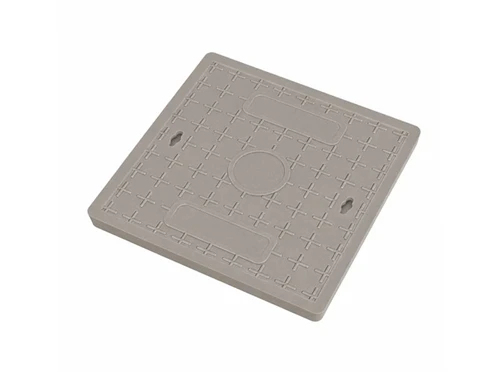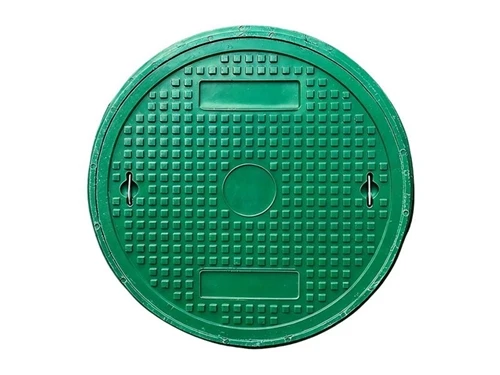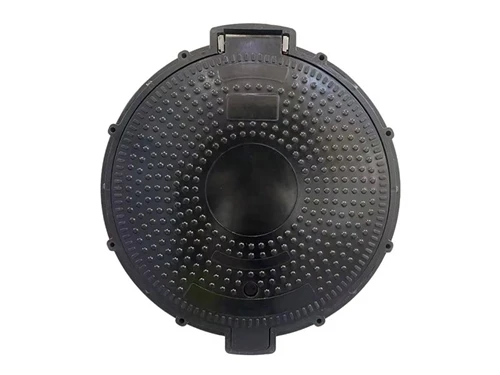
Composite resin drainage grates are made from composite materials; they are generally lighter than traditional metal grates, making transportation, handling, and installation more convenient. These products can be fabricated to fit various drainage channel dimensions, offering flexibility in specifications. For projects such as residential complexes, landscaped areas, and municipal green spaces, their lighter weight reduces the workload during on-site installation.
Corrosion resistance is a notable feature of composite resin drainage grates. Since they are installed outdoors, they inevitably come into contact with rainwater, sediment, and humid air-conditions that easily cause rusting in ordinary metal materials. In contrast, composite resin materials do not undergo conventional metal corrosion, making them well-suited for drainage areas frequently exposed to moisture, while also simplifying routine maintenance.
Composite resin drainage grates typically feature reinforcing ribs and strategically designed drainage apertures to balance drainage efficiency with structural integrity. Depending on the specific application, they can be designed with various aperture shapes and structural configurations. Products intended for pedestrian areas differ from those for vehicular traffic zones in terms of thickness, reinforcement structure, and load-bearing capacity; selection should be based on actual operating conditions.
These grates also offer aesthetic versatility. Their color and surface texture can be customized to project requirements, allowing them to blend seamlessly with roads, green belts, and surrounding architecture. It is important to note that the specific performance of composite resin drainage grates depends on factors such as raw material composition, manufacturing processes, structural design, and product specifications; therefore, the appropriate product should be selected based on load-bearing requirements and the installation environment.