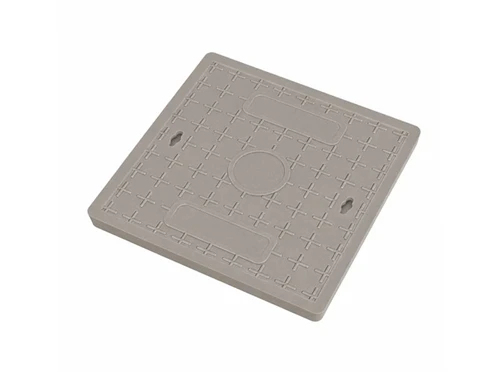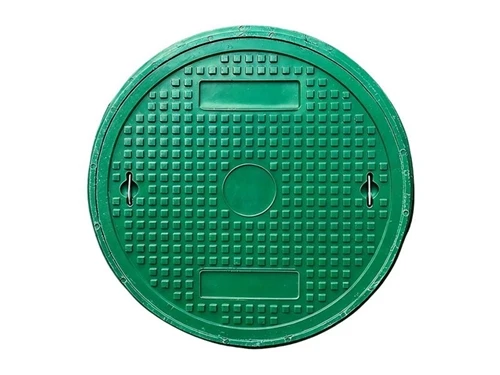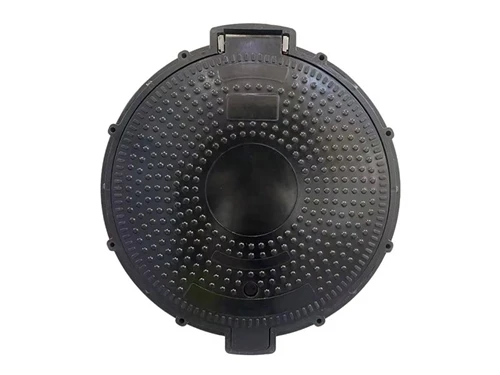
Cable trench covers are protective panels installed over facilities such as cable trenches and utility channels, primarily designed to safeguard the cables, pipelines, and other equipment housed within. They isolate the trench from the external environment, preventing unauthorized access by pedestrians or vehicles and keeping out debris, while also allowing for easy opening when maintenance or repairs are required. Depending on the operating environment and load-bearing requirements, these covers can be manufactured from various materials, including composite materials, concrete, and steel.
As urban power, telecommunications, and infrastructure networks expand, the installation of underground cables has become increasingly common. Cable trenches serve as a centralized method for laying and maintaining cables, ensuring organized line layouts and facilitating future inspections and repairs. However, since these trenches are often located in roadways, industrial sites, residential complexes, or public areas, leaving them open poses risks-such as water accumulation, debris ingress, and accidents involving pedestrians or vehicles-making the use of covers essential.
Early cable trench covers were typically made from traditional materials like concrete or steel plates; while these offered adequate strength, they presented practical challenges regarding weight, handling, and long-term maintenance. Advances in material science and manufacturing technology have led to the adoption of modern alternatives, such as composite and resin-based covers. These products meet essential load-bearing standards while offering flexibility in weight, structure, and appearance to suit specific project needs, thereby providing a wider range of options.
Cable trench covers are now widely used in substations, power facilities, industrial parks, roadways, and building infrastructure projects. Modern products prioritize not only load-bearing capacity but also factors such as slip resistance, waterproofing, corrosion resistance, durability, and ease of maintenance. As underground utility infrastructure continues to evolve, cable trench cover technology is advancing toward greater material diversity, structural optimization, and enhanced ease of use.