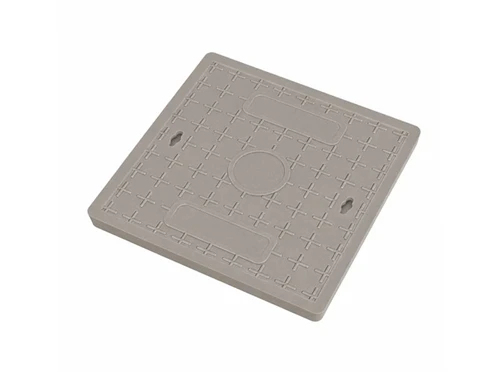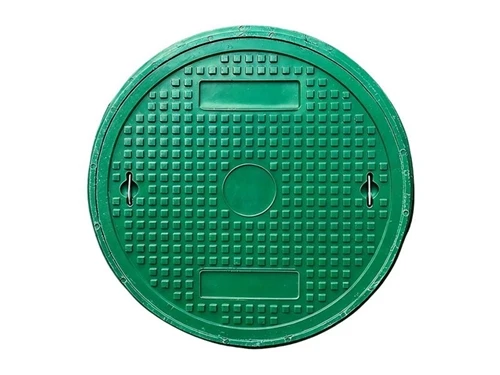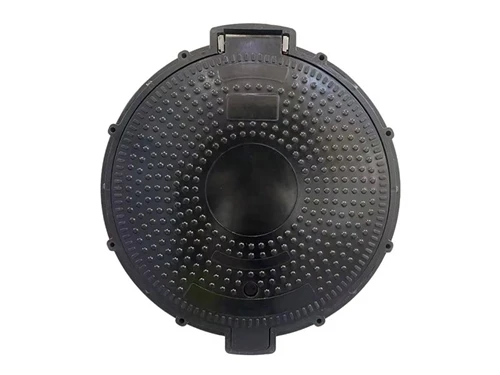
The material for cable trench covers must be selected based on the operating environment and load-bearing requirements. Common materials include reinforced concrete, steel, ductile iron, and composites. Reinforced concrete covers offer high strength and are suitable for fixed cable trench installations; steel and ductile iron covers provide superior load-bearing capacity and are appropriate for areas with high strength demands. Composite covers are relatively lightweight and corrosion-resistant, making them suitable for outdoor power facilities and industrial projects.
Production processes vary according to the material. Concrete covers generally require the preparation of molds and steel reinforcement cages, followed by concrete pouring, vibration, and curing; demolding and finishing are performed once the required strength is achieved. Metal covers typically undergo processes such as casting or steel plate cutting, welding, and shaping; post-forming surface treatments are applied to mitigate issues like rust during long-term use.
The production of composite cable trench covers typically involves raw material preparation, mold setup, material laying or injection molding, pressure curing, demolding, and post-processing. Depending on the product's structure and load requirements, internal reinforcement materials or structural enhancements may be incorporated to improve overall stability. Precise control of material ratios, molding pressure, and curing times is essential to prevent quality issues such as deformation or cracking.
Key inspections focus on identifying obvious defects, verifying dimensional compliance with design specifications, and ensuring load-bearing capacity meets actual usage conditions. For products installed on roads or in areas with vehicular traffic, load and support conditions require special consideration. The final choice of material and manufacturing process should be determined by comprehensively evaluating factors such as the trench location, dimensions, environmental conditions, load requirements, and methods for installation and maintenance.