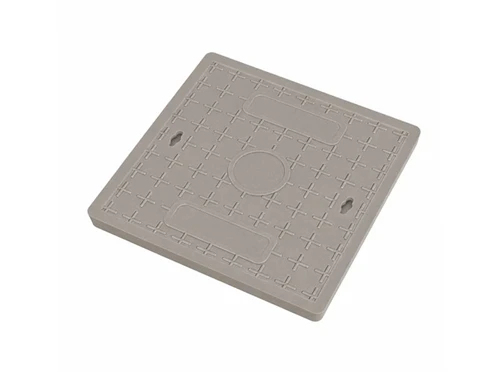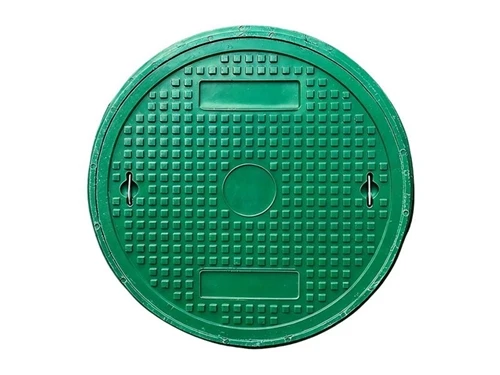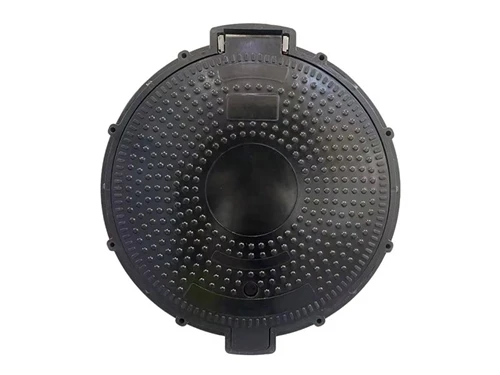
Composite resin drainage grates are primarily manufactured using resin, reinforcing fibers, and other auxiliary materials through specific processing techniques. Compared to traditional metal grates, these materials are relatively lightweight and offer superior corrosion resistance, making them less prone to significant rusting from prolonged exposure to rainwater or moisture. Consequently, they are widely used in outdoor drainage areas such as residential complexes, landscaped grounds, and municipal roadways.
Composite resin drainage grates typically consist of a grate panel, reinforcing structures, and a frame. The panel features drainage apertures of various shapes and sizes-configured according to drainage requirements-to facilitate the rapid flow of rainwater into drainage channels or underground pipes. Internally, the grate usually incorporates reinforcing ribs or other support structures to enhance overall strength and prevent deformation during normal use.
The frame serves primarily to provide support and secure the grate in place, requiring a precise fit with the underlying infrastructure, such as drainage channels or manhole bases. Some products feature additional designs, such as anti-slip surfaces or locking mechanisms, to suit specific operating environments. For areas subject to vehicular traffic, the structural design must fully account for actual load-bearing requirements, ensuring that overall structural integrity is prioritized alongside material weight considerations.
The specific material composition and structural configuration of composite resin drainage grates are adjusted based on the intended application, dimensions, and load-bearing specifications. Products designed for pedestrian areas may differ from those intended for roadways in terms of thickness, reinforcement structure, and load-bearing capacity. Therefore, when selecting a product, one should consider factors such as the installation location, drainage volume, and load requirements, while also referencing actual test data and technical specifications.