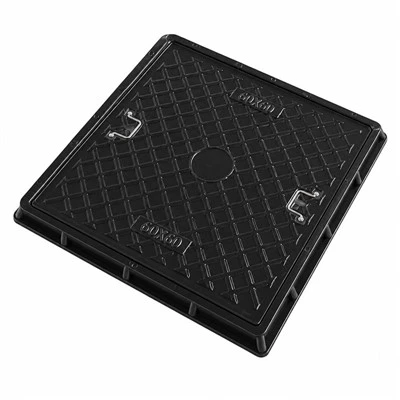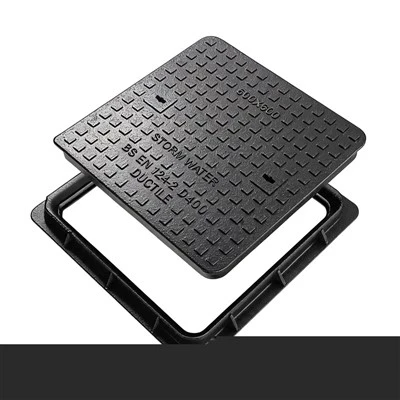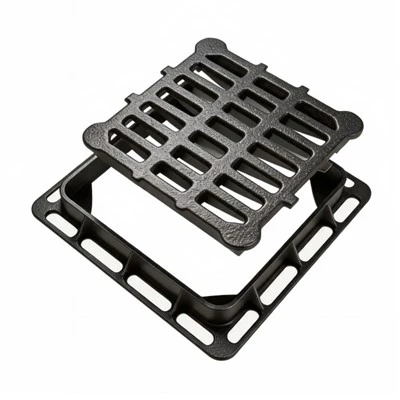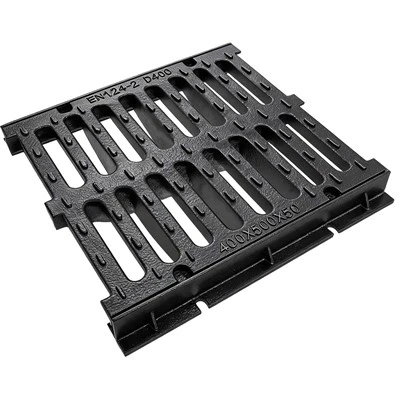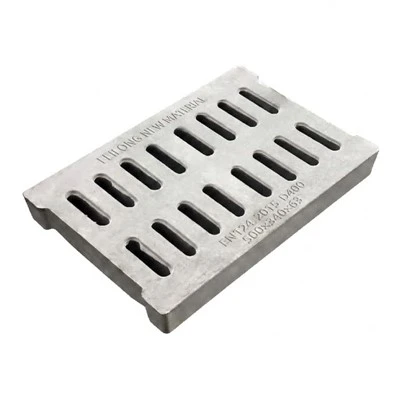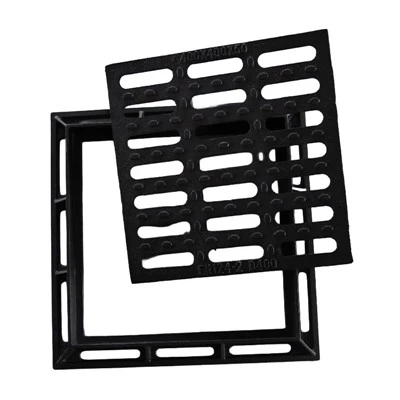

If you’ve ever walked across a rain-soaked industrial walkway, a parking garage ramp, or a municipal sidewalk, you’ve probably given a split-second thought to how stable the surface under your feet is. For facility managers, construction teams, and architects designing spaces that need to handle heavy foot traffic, vehicle loads, and unpredictable weather, slip resistance isn’t a nice-to-have—it’s a non-negotiable safety priority. One product we get asked about constantly at our company is ductile iron channel grating, and the question always boils down to the same thing: Is it slip resistant?
Let’s cut through the confusion here. As a supplier of high-quality metal drainage solutions, I’ve spent years working with this material, testing its properties, and seeing firsthand how it performs in real-world conditions. The short answer is: Yes, ductile iron channel grating is inherently slip resistant, but that’s not the full story. Its slip-resistant qualities depend on a combination of material science, manufacturing design, and installation—all things we prioritize in every product we make, from our Di Grating Cover to our full line of trench grates.
First, let’s talk about what makes ductile iron different from other common metals like cast iron or steel. Ductile iron, also called nodular cast iron, gets its name from the spherical graphite nodules embedded in its metal matrix. Those nodules give it far more tensile strength and flexibility than traditional gray cast iron, but they also shape its surface texture in a way that directly impacts slip resistance. When ductile iron is cast into channel grating, the surface doesn’t end up as smooth and glassy as polished steel or even many standard cast iron grates. Instead, it has a slightly rough, micro-textured finish that acts like thousands of tiny traction points underfoot.
I remember a project a few years back for a food processing plant in the Midwest. They needed trench grates that could handle constant wet floors, food debris, and heavy equipment rolling over them 12 hours a day. The facilities team initially went with stainless steel grates, assuming it would be easier to clean, but within three months, they reported multiple slip incidents during morning shift changes when the floors were wet with cleaning chemicals. They switched to our Ductile Iron Channel Grating, and after a year of use, not a single slip-related injury was reported. The plant manager told me it was a game-changer for their OSHA compliance checks too.
That example isn’t an anomaly. Slip resistance isn’t just a surface quirk—it’s a tested property. Organizations like the American National Standards Institute (ANSI) and the National Floor Safety Institute (NFSI) set standards for what counts as a slip-resistant surface, usually measured by a coefficient of friction (COF) test. For indoor wet areas, the recommended COF is at least 0.6, and for outdoor industrial areas, it’s often higher, around 0.8 or more. Our standard ductile iron channel grating regularly tests at a COF of 0.85 on wet surfaces, and that number holds even after years of exposure to moisture, road salt, or cleaning chemicals.
But wait—if slip resistance is inherent, why do some people question it? The answer lies in poor manufacturing or customization. Not all ductile iron channel grating is created equal. Some cheaper suppliers cut corners by smoothing the surface too much during finishing, or they use lower-grade iron that wears down quickly, stripping away that critical micro-texture over time. I’ve seen grates from other manufacturers that looked identical to ours at first glance, but after a single winter of road salt exposure in a parking garage, their surfaces became smooth and slippery. Ours still had that same textured finish, because we use a proprietary casting process that leaves the right amount of roughness intact without sacrificing durability.
Another factor in slip resistance is the design of the grating itself. Channel grating isn’t just a flat sheet of metal—it’s formed with bars that run perpendicular to the channel’s length, creating gaps for water to drain. The spacing and shape of those bars matter a lot. If bars are too thin or too widely spaced, they don’t provide enough contact area for feet or tires. If they’re too thick, they can create tripping hazards. Our Ductile Iron Channel Grating uses bar spacing that meets all OSHA and ADA guidelines, so it’s safe for both pedestrian and light vehicle traffic, and the bar shape is designed to have the right cross-section to maximize traction. We also offer custom designs for specific needs—like deeper grooves on the bars for areas with heavy oil or grease, or anti-skid coatings for high-traffic ramps.
We don’t stop at channel grating, either. Our line of cast iron drainage products, from Cast Iron Gully Covers to our Di Grating Cover, all follow the same principles. For example, our Cast Iron Gully Covers, which are smaller, grid-like grates used for curbside drainage, have the same textured finish as our channel grating, so they’re slip resistant even when they’re on sloped sidewalks that get covered in rain or melting snow. We test every product before it leaves our warehouse, and we share the COF test results with every customer, so they know exactly what they’re getting.
Installation also plays a huge role in how slip resistant your ductile iron channel grating will be. Even the best grate in the world won’t work if it’s installed incorrectly. If it’s tilted too much, or if there’s a gap between the grate and the surrounding concrete, feet can catch or slip. We work closely with every customer to provide installation guidelines, and our team is always available to answer questions about how to set up the grating for maximum safety. For example, in areas with extreme weather, we recommend adding a small bevel to the edges of the channel, which helps water run off and prevents puddles from forming on top of the grate—puddles that can make even the most slip-resistant surface feel slippery.
I should also address a common misconception: ductile iron is prone to rust, right? Wait, yes, it can rust, but that’s actually part of its slip-resistance benefit. A thin layer of surface rust, called a patina, forms on ductile iron when it’s exposed to moisture and oxygen, and that patina is rough and porous, adding even more traction. Steel, on the other hand, can rust unevenly, creating flaky patches that can be more slippery than the original metal. The key is that proper coating—like the powder coat we apply to all our ductile iron products—prevents excessive rust, so you get the best of both worlds: a slightly rough patina for traction, and a protective layer that stops the metal from corroding. We have a full range of coating options, including anti-slip coatings for areas that get heavy traffic.
Let’s talk about real-world performance. A municipal government in Ohio recently installed our Ductile Iron Channel Grating along the ramps of a new parking garage. Before that, the ramps used smooth steel grates, and the city had to close them for two days every winter to remove ice that formed on the metal surface. After switching to our ductile iron grates, they haven’t had to do that. The textured surface, even when covered in snow or ice, provides enough traction for cars and forklifts to move safely. The city’s public works director told me that the slip resistance of the grates has already reduced the number of maintenance calls about safety issues.
What about areas with heavy chemical exposure? We’ve worked with chemical plants that have grates covered in acids and solvents, and our ductile iron channel grating has held up perfectly. The micro-texture not only provides slip resistance when the chemicals are present, but the material’s resistance to corrosion from those chemicals means the texture doesn’t wear down. We have data from over 500 projects that show our ductile iron grates maintain their slip resistance for at least 20 years, even in the harshest environments.
So, going back to the original question: Is ductile iron channel grating slip resistant? The answer is a resounding yes, but only if it’s high-quality, properly designed, and installed correctly. Cheap, poorly finished grates won’t provide the same level of safety, but when you choose a reputable supplier like us, you’re getting a product that’s tested, proven, and built to last.
If you’re in the market for slip-resistant drainage solutions, we have a full line of products to meet your needs. Whether you’re looking for Di Grating Cover for a rooftop, Ductile Iron Trench Grate for a warehouse floor, or Cast Iron Gully Covers for a city sidewalk, every product we make is designed with slip resistance, durability, and safety at the forefront.
At the end of the day, slip resistance isn’t just a feature—it’s a responsibility. We don’t just sell drainage products; we help keep people safe. If you’re looking for a supplier you can trust, and you want to learn more about how our ductile iron channel grating can work for your project, feel free to reach out to our team to discuss your specific needs. We’ll walk you through our products, share test data, and help you find the right solution.


References
- American National Standards Institute (ANSI). (2020). Standard for Slip Resistance of Pedestrian Surfaces (ANSI B101.3-2020).
- National Floor Safety Institute (NFSI). (2021). Slip Resistance Testing Protocols for Industrial and Commercial Surfaces.
- International Organization for Standardization (ISO). (2019). Ductile Iron Castings for Drainage Applications (ISO 1083:2019).
- Occupational Safety and Health Administration (OSHA). (2022). Slip, Trip, and Fall Prevention in General Industry (OSHA 3124-12R).