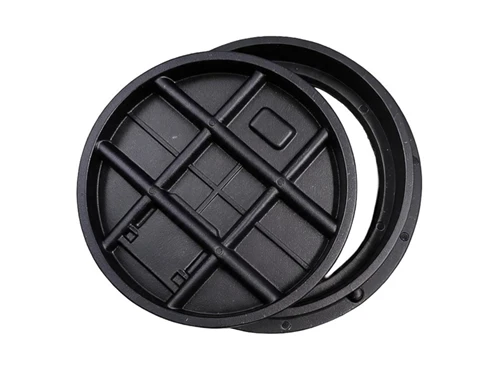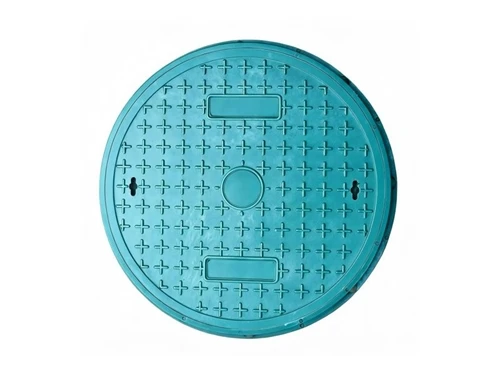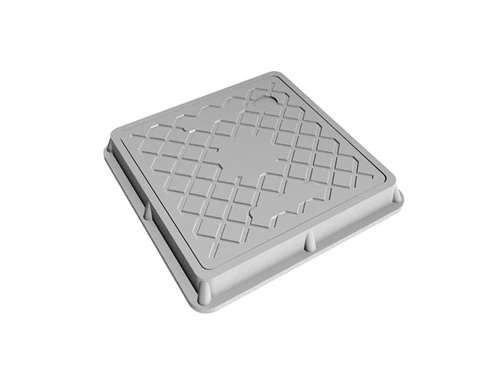
The production of cable trench covers requires determining the material and structure based on the operating environment, trench dimensions, and load-bearing requirements. Common materials include concrete, steel, and composites, each involving distinct manufacturing processes. Taking composite covers as an example, production typically entails raw material preparation, molding, pressurization or curing, demolding, and post-processing. Throughout production, strict control over dimensions, thickness, and structural strength is essential to ensure a proper fit with the cable trench foundation.
Load-bearing capacity is a critical factor during production. Cable trenches may be located in pedestrian areas, factory roadways, or zones subject to vehicular traffic, with external pressure varying significantly depending on the location. Consequently, the cover's thickness, internal reinforcement structure, and support method must be designed according to the actual anticipated loads. Once formed, the covers undergo inspections for appearance, dimensions, and load-bearing performance, ensuring compliance with relevant standards before being put into service.
Cable trench covers have a wide range of applications, commonly found in substations, power plants, industrial parks, telecommunications facilities, and urban power infrastructure. In these settings, cables often require centralized routing and maintenance; cable trenches provide dedicated pathways for the lines, while the covers serve to enclose and protect the trenches. When maintenance is required, personnel can open the covers based on their specific design and replace them after completing the necessary inspections or repairs.
The covers must also meet the demands of diverse environments. Outdoor installations require resilience against rain, humidity, and temperature fluctuations, whereas areas with vehicular traffic demand high load-bearing capacity and installation stability. In recent years, the use of lightweight composite covers has increased; these offer greater convenience in handling and installation without compromising functional performance. In practical engineering applications, the selection of a suitable cover should be based on a comprehensive assessment of trench dimensions, the operating environment, load-bearing requirements, and future maintenance needs.