Ductile iron manhole covers can be classified based on their installation location, load-bearing requirements, and structural design. Common types based on location include those for roadways, residential complexes, landscaped areas, and industrial sites. Since external loads vary by location, the requirements for product strength and specifications differ accordingly. Structurally, they can be categorized into types such as single-layer and double-layer covers; the specific choice depends on the dimensions of the inspection chamber and actual operational needs.
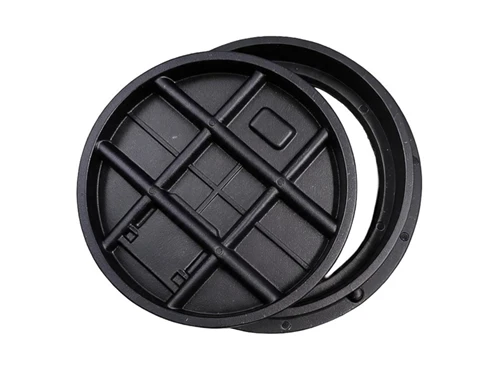
A ductile iron manhole cover assembly typically consists of two main components: the cover itself and the frame (or seat). The cover seals the opening and bears downward pressure, while the frame is installed atop the inspection chamber to support the cover. A precise dimensional fit between the two is essential to ensure stability and minimize wobbling or noise when vehicles or pedestrians pass over. Some models feature reinforcing ribs on the underside of the cover to enhance overall structural strength.
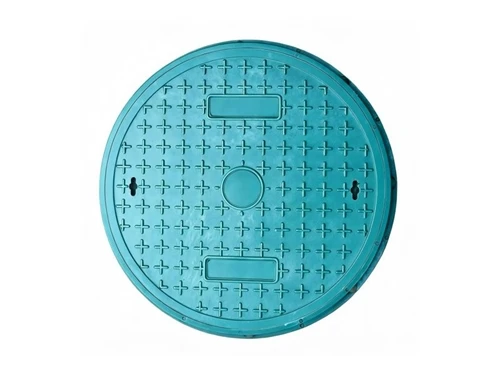
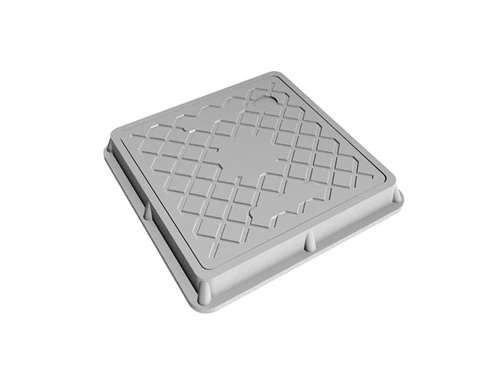
The surface of the cover often incorporates anti-slip patterns, decorative designs, or identification markings. Anti-slip features increase surface friction to reduce the risk of slipping for vehicles and pedestrians during wet weather, while text or patterns help distinguish between underground utility systems, such as water supply, drainage, or telecommunications. Depending on project requirements, covers may also be equipped with lifting holes, locking mechanisms, or anti-theft features to facilitate future maintenance and management.
The specific design of a ductile iron manhole cover is determined by its dimensions, load-bearing class, and installation environment. For areas subject to heavy loads, such as roadways, critical factors include cover thickness, the layout of reinforcing ribs, and the load-bearing capacity of the frame; for areas like sidewalks or green belts, specifications can be selected based on the anticipated load. During procurement and installation, attention should be paid to the compatibility of the cover and frame to ensure a secure fit and compliance with operational requirements.