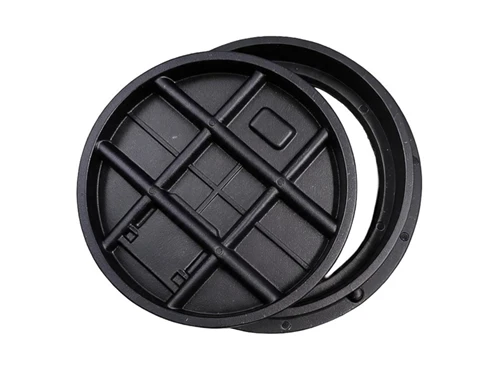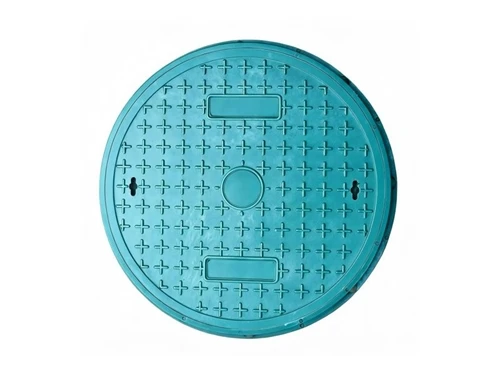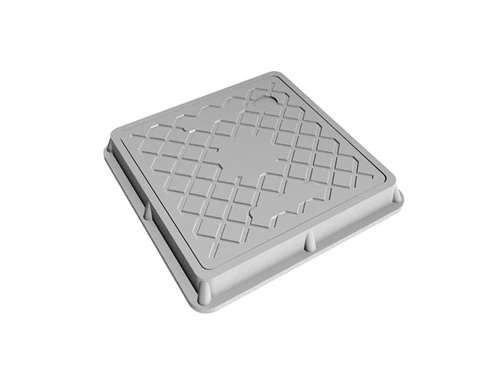
The thickness of composite resin manhole covers is determined by product specifications and the actual operating environment; there is no single, fixed standard for thickness. Larger covers generally require greater structural strength to withstand external pressure, so design considerations must integrate factors such as surface thickness, internal reinforcement ribs, and material composition. Covers used in areas like green belts or pedestrian walkways typically bear lighter loads, whereas those installed in parking lots, factory roadways, or zones accessible to motor vehicles must withstand the stress of repeated vehicular traffic, necessitating differences in structural design and thickness.
Greater thickness does not necessarily equate to a better composite resin manhole cover. Sound structural design plays a crucial role in load-bearing performance; manufacturers typically adjust material usage, surface thickness, and the number and layout of reinforcement ribs based on the cover's dimensions and load requirements. Reinforcement ribs provide structural support and distribute localized pressure, thereby enhancing overall stability. Simply increasing material thickness without a proper structural design not only raises product weight and manufacturing costs but may also fail to achieve optimal performance. Therefore, assessing the quality of a manhole cover requires a comprehensive evaluation that considers structural design and load-bearing ratings, rather than focusing solely on thickness measurements.
When selecting composite resin manhole covers, it is advisable to first determine the on-site opening dimensions and actual usage conditions, then choose the appropriate specifications based on project requirements. In addition to measuring dimensions-such as length, width, or diameter, as well as surface thickness-one should examine the product's load-bearing rating, internal structure, and test reports. For areas with vehicular traffic, it is particularly important to verify that the product has undergone relevant load-bearing performance testing. Since material formulations, manufacturing processes, and structural designs vary among manufacturers, actual performance may differ even between products with similar specifications; therefore, the definitive thickness should be determined based on the manufacturer's technical drawings, product specifications, and test documentation.