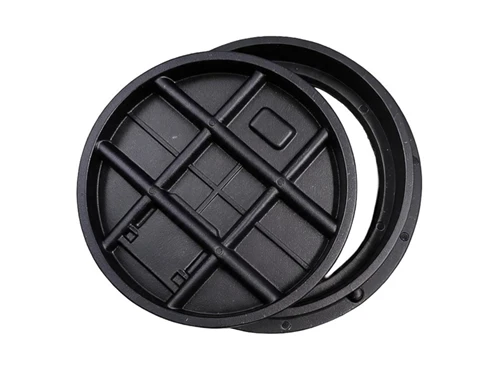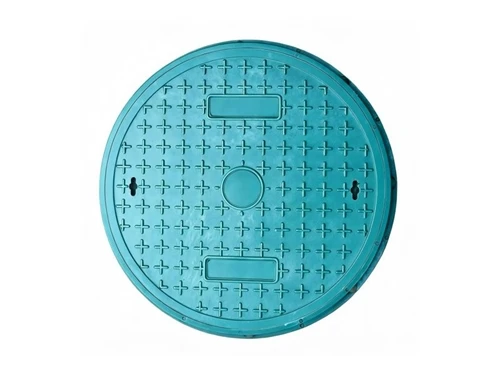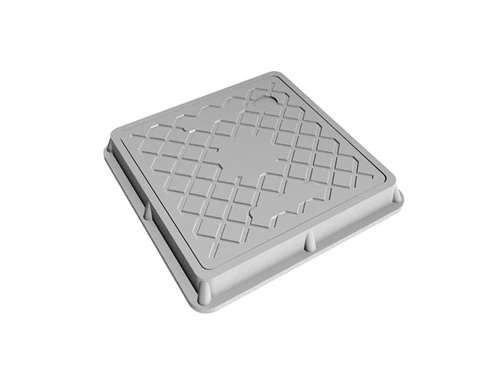
Composite resin drainage grates typically undergo performance testing before leaving the factory, starting with an inspection of their appearance and dimensions. Checks include looking for visible cracks, material defects, or deformation on the surface, as well as measuring length, width, thickness, and drainage hole dimensions to ensure compliance with design specifications. Meeting dimensional requirements is essential to ensure proper installation at the construction site.
Load-bearing capacity is a critical aspect of testing for composite resin drainage grates. During testing, a specified load corresponding to the product's rated load class is applied to observe whether significant cracking, structural failure, or excessive deformation occurs. As specifications and operating environments vary, testing requirements differ; consequently, a single fixed value cannot be used to evaluate the load-bearing capacity of all composite resin drainage grates.
In addition to load-bearing capacity, the material's durability is a key consideration. Since these grates are installed outdoors and exposed to rain, moisture, sunlight, and temperature fluctuations, they are often tested for weather and corrosion resistance in accordance with relevant standards and project requirements. These tests provide insight into the product's performance over time, serving as a reference for practical application.
The grate's structural integrity and functional performance must also be verified-checking, for instance, that drainage holes are unobstructed, the grate fits securely into the frame, and installation or opening is convenient. For mass-produced items, sampling inspections should be conducted according to relevant standards, with corresponding records and reports maintained. When purchasing, one should focus on the product's test reports, applicable standards, and load-bearing ratings to determine if the product meets the specific requirements of the project.