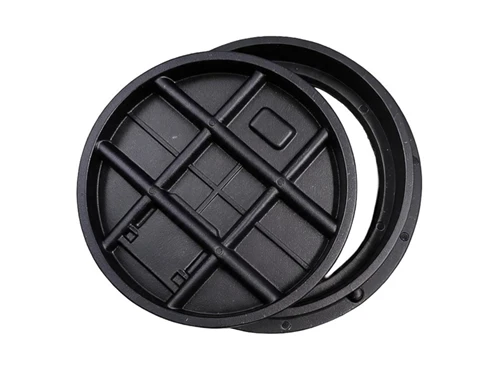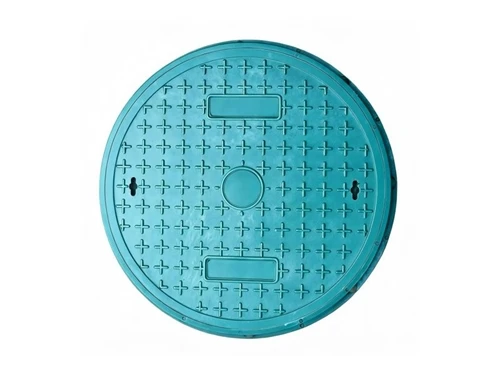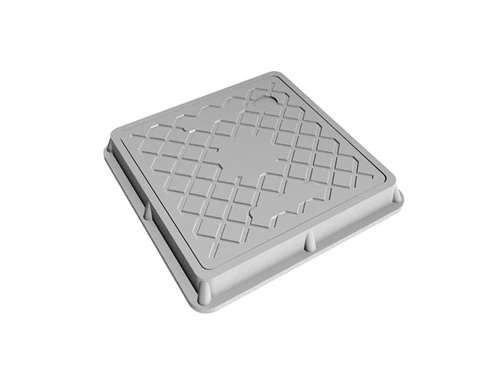
Composite resin drainage grates are widely used in urban road drainage systems, commonly found along roadsides, in curb drainage channels, and near sidewalks. During rainfall, surface water flows through the grate openings into underground pipes, thereby reducing surface water accumulation. Their relatively light weight makes them convenient to transport and install, leading to their adoption in various municipal road drainage projects.
Residential complexes and commercial parks are also common locations for composite resin drainage grates. These areas typically feature numerous stormwater channels and drainage outlets; beyond meeting drainage requirements, maintaining a neat and aesthetically pleasing environment is also a priority. Composite resin grates are available in various specifications to fit specific site dimensions and can be installed in roadways, parking areas, and landscaped zones, blending harmoniously with the surrounding paving.
In parks, scenic areas, and landscaped grounds, composite resin drainage grates are primarily used to collect rainwater and surface runoff. As visual aesthetics are often a priority in these locations, the color, shape, and surface texture of the grates can be selected to complement the environment. For drainage facilities exposed to constant moisture, the composite resin material offers excellent corrosion resistance and facilitates easy cleaning and maintenance.
Composite resin drainage grates are also suitable for schools, industrial sites, public buildings, and underground garage entrances, depending on specific drainage needs. Different locations impose varying requirements regarding load-bearing capacity and structural strength; in areas with frequent vehicle traffic, it is essential to select products that meet the appropriate load-bearing standards. In practice, the selection of specifications should take into account drainage volume, installation dimensions, traffic conditions, and the operating environment to ensure the drainage system functions effectively.