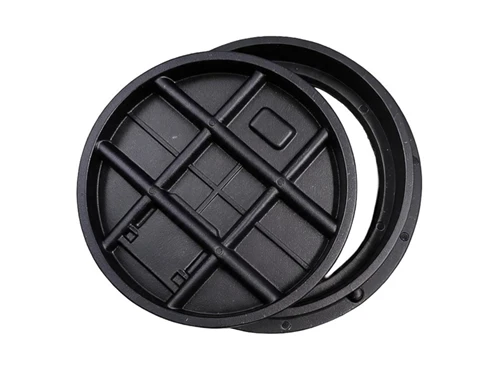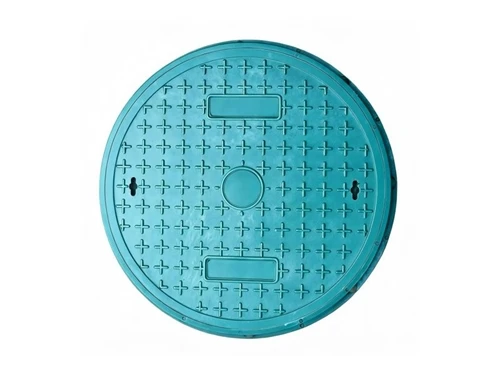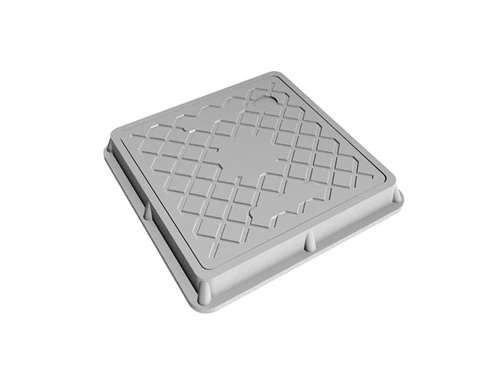
The production and use of composite resin drainage grates must comply with relevant industry standards. Current standards directly applicable to these products include CJ/T 212-2005, *Polymer-based Composite Material Drainage Grates*, and CJ/T 130-2001, *Recycled Resin Composite Material Drainage Grates*. CJ/T 130-2001 specifically addresses recycled resin composite grates and is applicable to areas such as urban roads, roadsides, factory roads, sidewalks, and green spaces.
For products made from polymer-based composite materials, CJ/T 212-2005 serves as the reference standard. During actual production, key factors to consider include load-bearing class, appearance quality, dimensional tolerances, structural strength, and relevant testing requirements. Since different installation locations impose varying load-bearing demands, the product class must be determined based on the specific installation environment during both production and procurement.
For products that combine composite materials with cast iron structures, the standard CJ/T 328-2010, *Ductile Iron and Composite Resin Drainage Grates*, applies. As this differs from the standard for standard polymer-based composite grates, one must clearly identify the product's specific material and structural configuration before selecting the appropriate standard; it is incorrect to apply a single standard to all "composite resin drainage grates" indiscriminately.
The current national standard GB/T 23858-2009, *Manhole Covers*, also covers composite material manhole covers, specifying classifications, materials, requirements, test methods, and inspection rules; while this remains the active standard, a revision process is currently underway. Therefore, in practical engineering applications, the appropriate standard should be selected based on the grate's specific material, structure, and installation location, with product test reports, technical documentation, and project design requirements serving as the final basis for compliance.