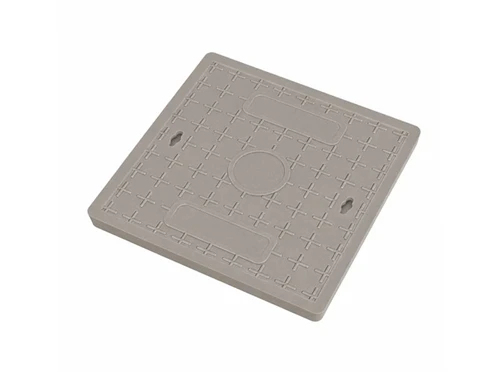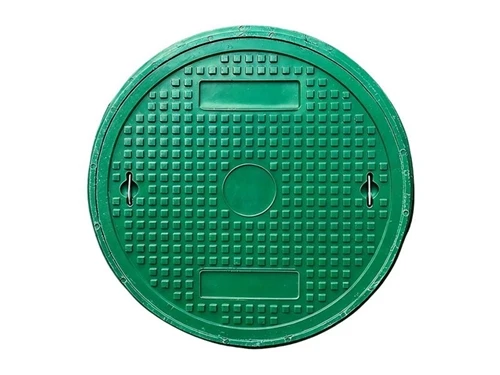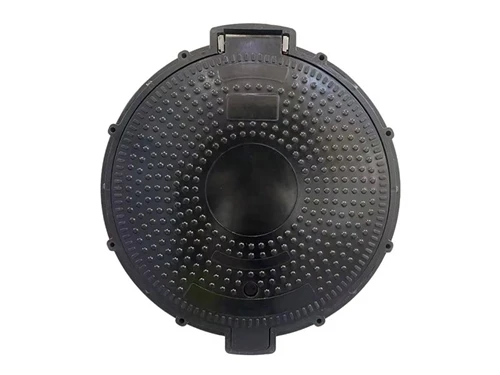
The load-bearing capacity of ductile iron grates is primarily determined by their installation location and actual loading conditions. Common load classes include A15, B125, C250, D400, E600, and F900, each with distinct load-bearing requirements. Generally, higher classes demand greater overall product strength, structural integrity, and installation foundation stability; therefore, the specific operating environment must be identified before selecting a grate.
In areas such as pedestrian walkways and green belts where vehicles do not typically pass, load-bearing requirements are relatively low, allowing for the selection of products with lower load classes. If grates are installed on residential roads, in parking areas, or in zones accessible to non-motorized vehicles, the additional pressure exerted by vehicles must be taken into account. For locations with frequent vehicular traffic, such as urban roadways, products with higher load-bearing capacities are usually required.
A grate's dimensions, thickness, and internal reinforcement structure also influence its actual load-bearing performance. While ductile iron offers excellent strength and toughness, not all ductile iron grates possess identical load-bearing capabilities. During manufacturing, reinforcing ribs and load-bearing structures must be designed appropriately based on product specifications, and a stable fit between the grate and the frame must be ensured to achieve the intended performance.
When purchasing and installing grates, the appropriate load class should be selected based on engineering design requirements and the specific environment; "ductile iron" material alone is not a sufficient criterion for selection. Products typically undergo quality inspections before leaving the factory to verify that their load-bearing performance meets standards. For areas subject to vehicular loads-such as roads and parking lots-particular attention should be paid to inspection reports, load classes, and installation quality to ensure the grate's stability and safety during long-term use.