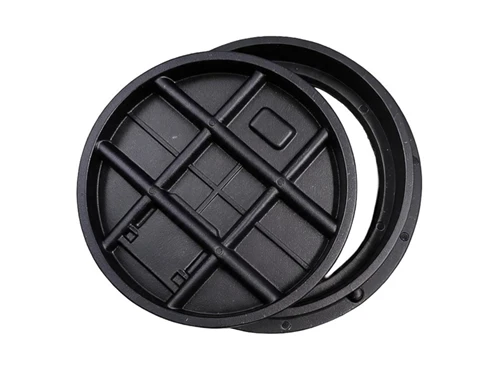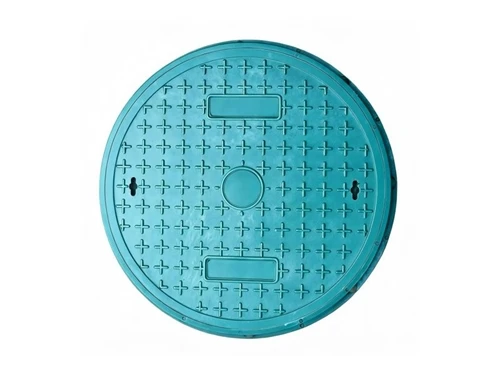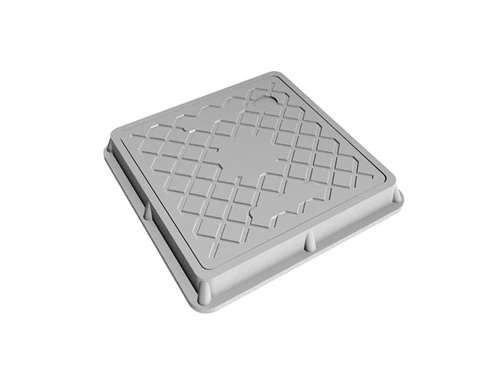
Ductile iron grates are designed in various shapes-such as rectangular, square, or circular-depending on the installation location and the structure of the drainage facilities. Rectangular grates are frequently used for roadside ditches and drainage channels, as they can be installed in series to match the length of the trench. Square grates are better suited for individual drainage outlets in residential complexes, courtyards, and public areas; their uniform dimensions make them convenient to install.
Beyond standard shapes, ductile iron grates can be manufactured in custom sizes and configurations to meet specific project requirements. For instance, road drainage areas requiring elongated inlets often utilize long, strip-shaped, or modular grates to maximize the drainage surface area. Conversely, for locations with limited space, smaller grates can be selected to fit the site conditions.
The surface of the grate typically features a design of strips, grids, or other drainage aperture patterns intended to allow rainwater to flow rapidly into the drainage system. The size and arrangement of these openings must balance drainage efficiency with safety; openings that are too large could allow substantial debris to enter the pipeline or compromise stability for passing pedestrians and vehicles. A well-designed aperture pattern ensures effective drainage while enhancing the product's operational safety.
In specialized projects, the shape of the ductile iron grate can be customized to align with the specific dimensions of the manhole opening, drainage channel, and surrounding pavement. Beyond matching external dimensions, the fit and securement between the grate and its frame are crucial. When selecting a grate, factors such as drainage capacity, installation space, and load-bearing requirements must be considered to ensure a stable, reliable installation that meets daily drainage needs.