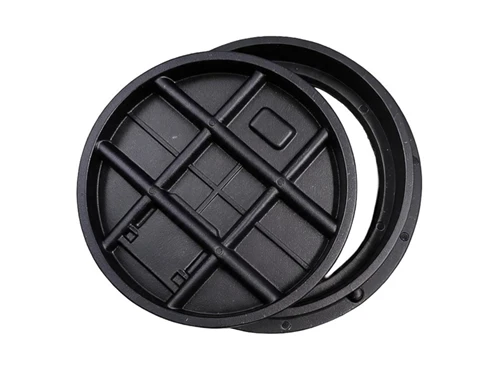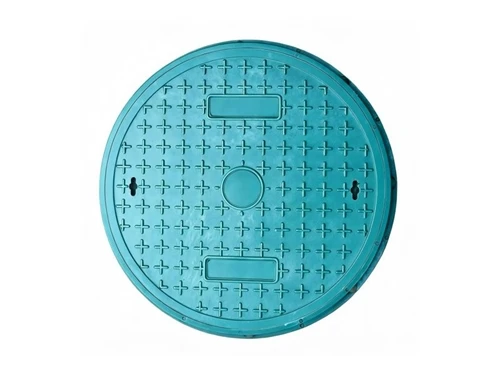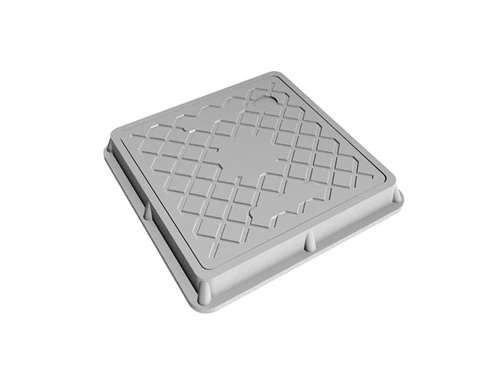
The primary function of ductile iron grates is to collect and discharge surface rainwater; they are typically installed along roadways, drainage channels, in parking lots, and on residential estate roads. During rainfall, surface water flows through the drainage apertures on the grate's surface into the underlying drainage pipes, thereby reducing surface water accumulation. Optimizing the drainage surface area and aperture configuration enhances the efficiency of rainwater entry into the drainage system.
In addition to drainage, ductile iron grates serve a protective function for drainage openings. By covering the opening, the grate prevents pedestrians from accidentally stepping into the shaft and blocks larger debris-such as stones and leaves-from entering the drainage pipeline. In public roadways and high-traffic areas, the grate's robust structure mitigates safety hazards associated with exposed drainage facilities.
Ductile iron is inherently strong and tough, allowing the grates to withstand loads from both vehicles and pedestrians. Products of appropriate specifications and load-bearing classes can be selected based on the specific operational environment and load requirements. In areas frequently traversed by motor vehicles, particular attention must be paid to the grate's load-bearing capacity and the stability of the frame support to prevent deformation or loosening caused by prolonged stress.
Ductile iron grates also facilitate future inspection and maintenance. Drainage pipes may accumulate debris or suffer from poor flow over time; the grate can be opened to allow personnel to clean and inspect the underlying drainage infrastructure. Consequently, grate design must balance drainage efficiency and load-bearing capacity with ease of opening, installation stability, and convenience of maintenance.