As urban landscaping and infrastructure continue to improve, the design of recessed turf-infill manhole covers is evolving. While early designs focused primarily on basic coverage and protection, modern covers must meet load-bearing and safety standards while also addressing aesthetic appeal, service life, and ease of maintenance. Consequently, structural designs increasingly emphasize a balance between practicality and harmony with the surrounding environment.
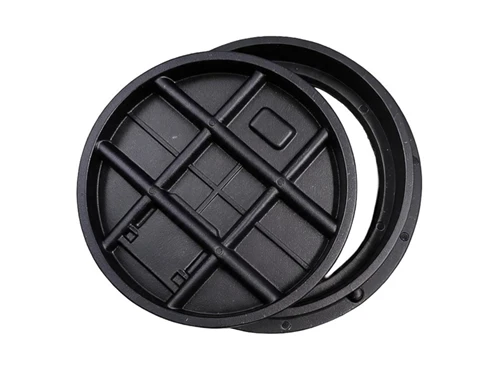
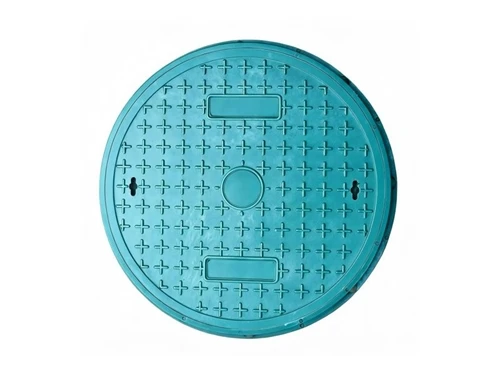
There is also a wider range of material options available. Traditional metals offer excellent strength and load-bearing capacity, whereas newer materials-such as resin composites-are gaining popularity in landscaped areas due to their lighter weight, corrosion resistance, and ease of installation. Selecting the right material for the specific application environment ensures optimal performance while simplifying transportation, installation, and long-term maintenance.
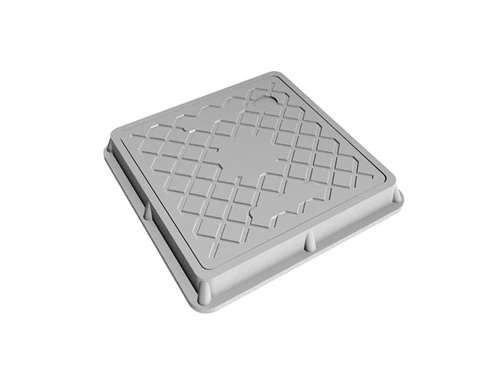
In terms of structural design, greater emphasis is placed on opening mechanisms and ease of use. Features such as reinforcing ribs, anti-slip surfaces, and locking mechanisms are often incorporated to enhance overall stability and safety. Furthermore, dimensions and structures can be customized to suit specific locations-such as lawns, flowerbeds, or garden landscapes-and some designs integrate visually with the surrounding greenery to create a more cohesive look.
As new materials and manufacturing technologies are adopted, the future development of these covers will increasingly prioritize durability, environmental sustainability, and functionality. Production standards regarding material composition, molding processes, and quality control will become more rigorous, and product specifications will become more diverse. For manufacturers, the key challenge-and a major focus for technical improvement-lies in balancing essential performance with aesthetic appeal, installation efficiency, and long-term lifecycle costs.